
Toubkal Hike & Cultural Events Morocco 2026: Your Complete Guide to Active Tourism
Morocco’s best active tourism experiences in 2026 combine hiking Mount Toubkal — North Africa’s highest peak at 4,167 metres — on a guided 2–3 day trek from Imlil in the High Atlas Mountains, with cultural events including the Fes Festival of World Sacred Music (4–7 June 2026, theme: “Fes and the Mâalemines”), and ongoing city-wide cultural programmes in Casablanca including visits to the Hassan II Mosque, coastal walks, and immersive experiences. Spring (March to May) and autumn (September to November) are the best seasons for the Toubkal trek; the Fes Festival runs in early June. Both are available year-round as guided experiences.
Morocco is a country that rewards those who go beyond the souks and riads. Yes, the medinas of Marrakech and Fes are extraordinary. Yes, the Sahara Desert is as vast and beautiful as you imagine. But some of the most transformative Morocco experiences in 2026 involve putting on a pair of proper hiking boots and climbing towards a 4,167-metre summit through valleys of walnut trees and Berber stone villages — or sitting in the ancient courtyard of Bab Makina in Fes as Sufi chants rise into a warm June night and the stars appear above the carved stucco walls.
This guide covers both in depth. Whether you are planning the Toubkal hike from Marrakech, researching the Fes Festival of World Sacred Music 2026, or looking for the best cultural things to do in Casablanca in 2026, you will find everything you need here — written from real, first-hand experience of Morocco’s active and cultural travel landscape.
For the full picture of Morocco’s 2026 travel calendar — including beach festivals, music events, and seasonal planning — also see our Best Time to Visit Morocco 2026 and Morocco Music Festivals 2026 guides.
Quick Reference: Morocco Active Tourism & Culture 2026
| Experience | Location | When | Duration | Cost Indication |
|---|---|---|---|---|
| Toubkal Summit Trek (2-day) | Imlil → High Atlas | Year-round (best: Mar–May, Sep–Nov) | 2 days / 1 night | €80–€150 pp guided |
| Toubkal Circuit (5–6 day) | High Atlas Villages | Best: Apr–Oct | 5–6 days | €300–€500 pp guided |
| Fes Sacred Music Festival | Fes (Bab Makina & venues) | 4–7 June 2026 | 4 days | €15–€50 per show |
| Casablanca Cultural Tour | Casablanca | Year-round | 1–3 days | €0–€30 per attraction |
| Berber Village Trek (day) | Ourika / Azzaden Valley | Year-round | 1 day | €30–€60 pp guided |
Part One: The Toubkal Hike — Complete 2026 Guide to North Africa’s Highest Summit
What Is the Toubkal Hike and Why Does It Matter?
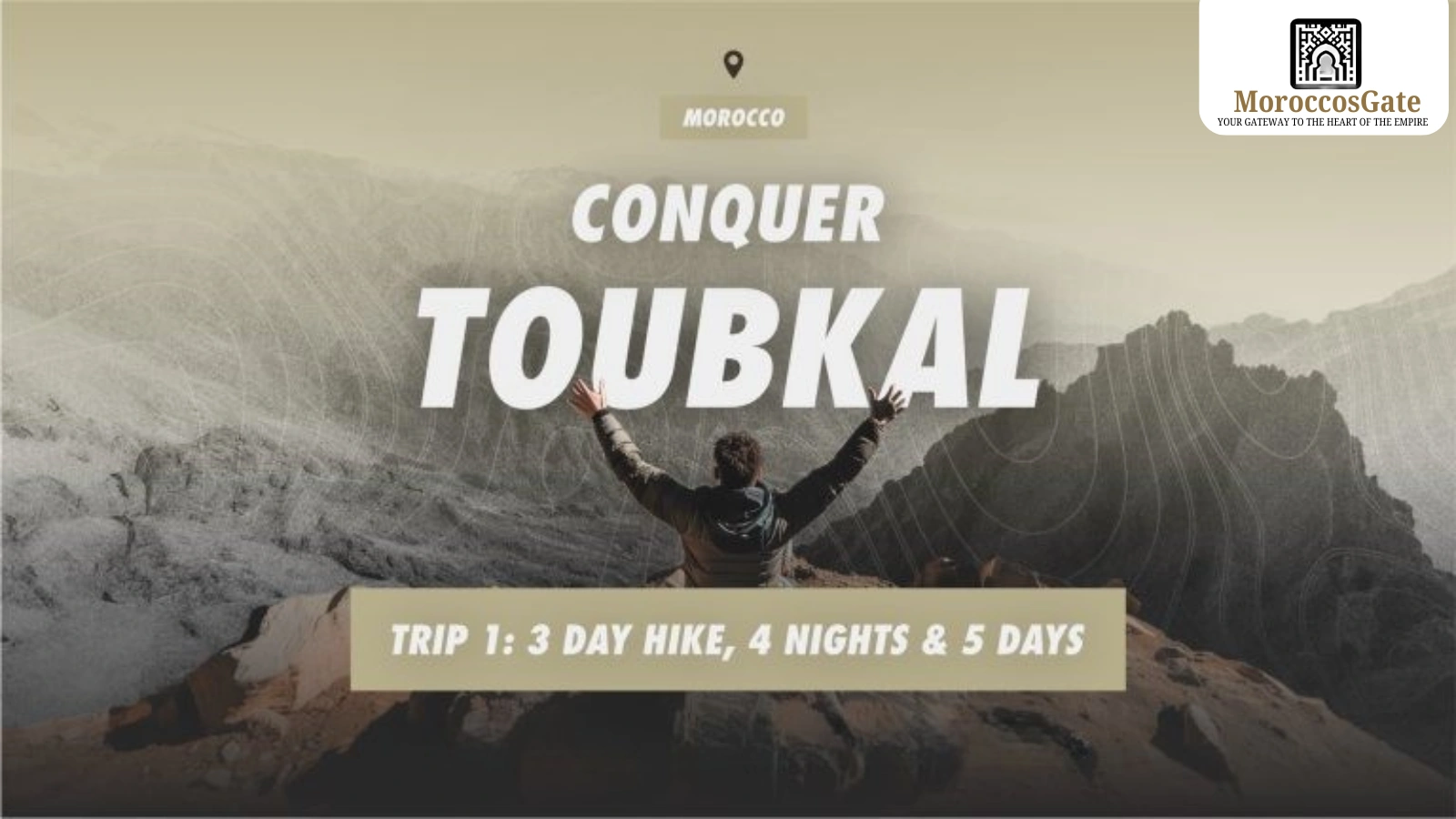
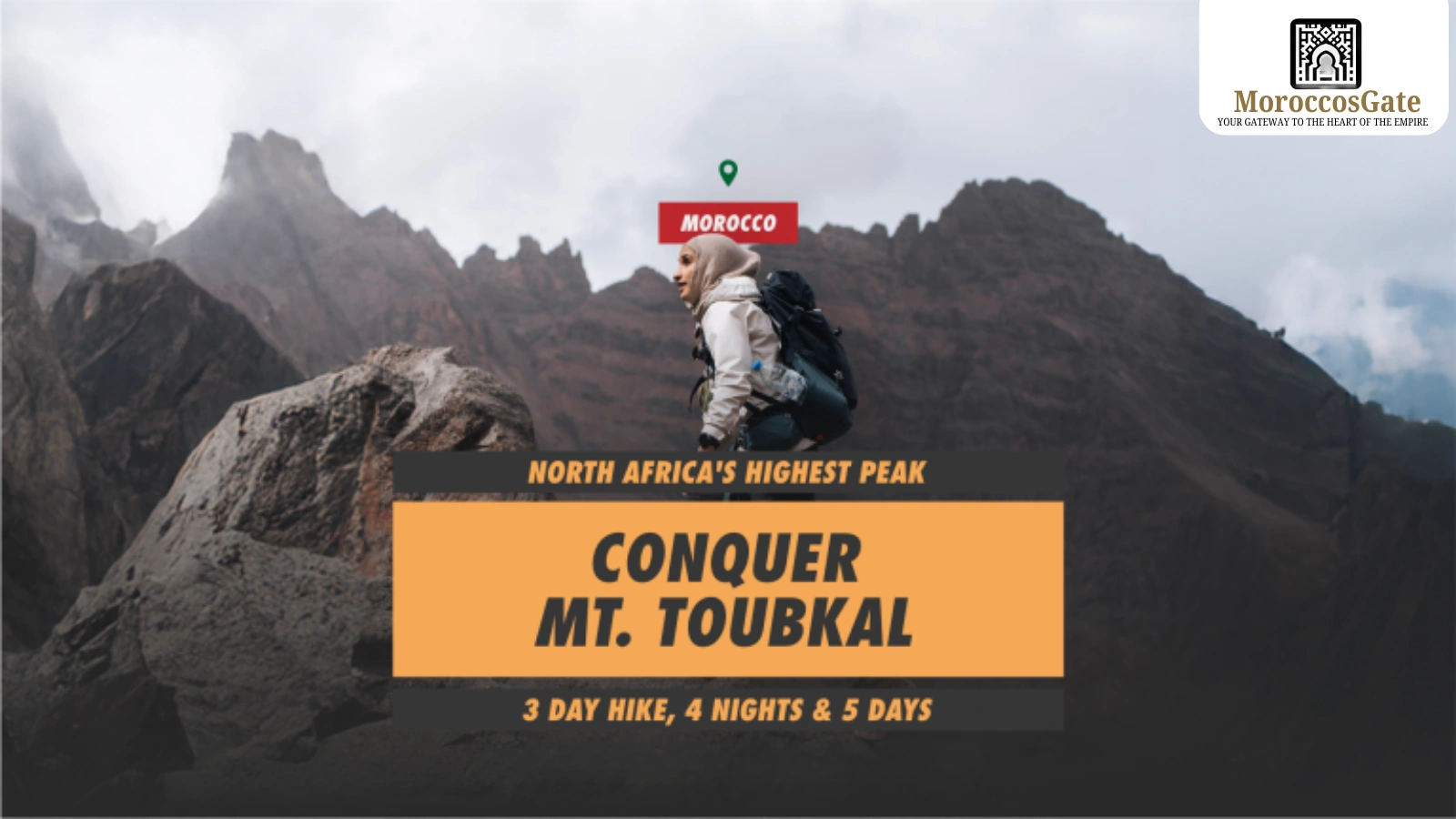
If you are searching for how to hike Mount Toubkal, you are looking at one of the most rewarding multi-day trekking experiences available from a short-haul flight out of Europe. Mount Toubkal stands at 4,167 metres above sea level — it is the highest peak in North Africa and the highest in the Arab world. It rises from the High Atlas Mountains approximately 63 kilometres south of Marrakech, and on a clear day its snow-dusted summit is visible from the city’s rooftops.
The remarkable thing about the Toubkal hike is not its technical difficulty — it requires no mountaineering skills in the warmer months, and fit, experienced hikers with good footwear can complete the standard 2-day route without specialist equipment from May through October. What makes it remarkable is everything around the climb: the Berber villages of walnut trees and stone houses clinging to canyon walls, the extraordinary High Atlas landscape shifting from green valley to barren scree as you gain altitude, and the singular satisfaction of standing at 4,167 metres on the highest point in all of North Africa, with the Atlas range spreading out in every direction and — on the clearest days — the distant Sahara haze visible to the south.
Most Morocco travellers never make it to Imlil. They arrive in Marrakech, walk the souks, visit the Majorelle Garden, eat tagine twice, and fly home. The ones who make it to Imlil come back with photographs that actually stop the scroll — snow-capped peaks at dawn, stone villages carved into canyon walls, walnut orchards turning gold in October. They also come back having experienced a Morocco that has nothing to do with tourist infrastructure or medina performance: genuine Berber mountain life, extraordinary landscape, and the satisfaction of having walked somewhere that required real effort to reach.
Getting to Imlil: The Trek’s Starting Point
All Toubkal treks begin in Imlil village, a Berber mountain community at 1,740 metres altitude in the Mizane Valley, approximately 75–90 minutes’ drive from Marrakech. The easiest options are grand taxi (shared or private, 250–350 MAD for the whole taxi) or a private transfer arranged through your tour operator or riad. Grand taxis depart from near Jemaa el-Fna square. There is no direct bus to Imlil — buses serve Asni, 17 km before Imlil, requiring an onward local taxi.
Imlil itself is worth an hour or two of exploration before or after your trek. The village has a cluster of guesthouses, trekking supply shops, licensed guide offices, and a handful of cafés serving mint tea and Berber omelettes. The surrounding countryside — terraced fields of barley and walnut orchards, the rushing Assif Mizane river, the peaks rising steeply on every side — gives an immediate sense of the environment you are about to walk into.
The Classic 2-Day Toubkal Trek: Day-by-Day
The standard and most popular approach to the Toubkal summit is the 2-day guided trek, which is achievable for fit travellers with no prior mountaineering experience during the spring, summer, and autumn months. Here is what the route looks like:
Day 1: Imlil to the Toubkal Refuge (Refuge du Toubkal)
Day 1: Imlil → Sidi Chamharouch (2,310m, 3–4 hours) → Toubkal Refuge (3,207m, 2–3 hours more). Total: 5–7 hours. Overnight at the refuge.
The trail climbs steadily through the Mizane Valley, passing the village of Aroumd (a beautiful Berber settlement perched on a rocky spur above the valley floor), before reaching Sidi Chamharouch at 2,310 metres — a natural rock formation where a small shrine and café mark the traditional stopping point for rest and refreshment. From here, the trail steepens considerably, winding through rocky terrain and open scree fields to the Toubkal Refuge at 3,207 metres.
The refuge — operated by the Club Alpin Français — offers dormitory sleeping, simple but warming meals, and one of the most spectacular high-altitude terraces in Morocco. Watching the sun set behind the Atlas peaks from 3,200 metres, then watching the stars appear with an intensity that flatland eyes have never seen, is worth the effort of Day 1 alone.
Day 2: The Summit Push and Return to Imlil
Day 2: Refuge → Summit (4,167m, 3–4 hours, pre-dawn departure recommended for clear summit views and to beat afternoon cloud) → Return to Imlil (3–4 hours). Total: 6–8 hours.
Most guides recommend a pre-dawn start — leaving the refuge at 5:00–5:30 AM — to reach the summit by mid-morning before cloud and afternoon winds build up. A pre-dawn start is common to reach the summit by sunrise. The final ascent is steep and rocky, but the panoramic views from the top are unforgettable.
The final 960 metres of ascent from refuge to summit is the most demanding section: steep, loose scree that requires steady footwork and good fitness. There is no technical climbing involved, but altitude affects people differently above 3,000 metres — ascend slowly, breathe steadily, stay hydrated, and descend immediately if you develop symptoms of altitude sickness (severe headache, nausea, confusion).
At the summit, the reward is extraordinary: a 360-degree panorama stretching across the High Atlas range, south towards the pre-Saharan valleys, and — on exceptional clear days — all the way to the Atlantic coast. The descent to Imlil via the same route typically takes 4–5 hours, with time for a final tea at Sidi Chamharouch before the last push back to the trailhead.
The 3-Day Trek: A More Comfortable Approach
The 3-day route offers less strain on your body, a better experience of the High Atlas villages, and time to rest between ascents. It typically involves arriving in Imlil and spending the first afternoon acclimatising with a short valley walk, summiting on Day 2 from the refuge, and then taking a more leisurely descent on Day 3 with time to visit villages en route. For those who are not accustomed to hiking at altitude, the 3-day approach is strongly recommended.
The 5–6 Day Toubkal Circuit: For Those Who Want More
For trekkers who want a deeper immersion in the High Atlas landscape and Berber culture, the extended 5–6 day Toubkal circuit offers one of Morocco’s finest long-distance hiking experiences. You begin with a steep climb out of the Imlil Valley and up the Tizi n Mzik pass at 2,489 metres, where you have dramatic views of the High Atlas peaks and the valleys between them. You descend into the Azzaden Valley, where juniper trees dot the arid red slopes, pass small Berber villages, and reach the Cascade d’Irhouliden, a waterfall flowing year-round.
This route connects remote Berber communities — villages that see far fewer trekkers than the main Toubkal approach — and includes nights in family-run guesthouses and mountain huts where meals are prepared over open fires and the hospitality is entirely genuine. It is, in the opinion of MoroccosGate team, one of the finest multi-day hikes in Africa.
Essential Toubkal Trek Information for 2026
Do I Need a Guide?
A licensed guide is strongly recommended and in some conditions essential. In winter (December–March), crampons and ice axes are required and a qualified mountain guide is essential. In summer, fit hikers can complete this without technical equipment but a licensed guide remains strongly recommended for navigation in poor visibility and emergency response. Hiring a guide through a licensed Imlil-based operator supports the local Berber economy directly and ensures you have access to the route knowledge, emergency contacts, and cultural context that transforms a hike into a genuine experience. MoroccosGate recommends booking through reputable operators based in Imlil rather than through intermediaries in Marrakech.
Best Time to Hike Toubkal
The best time for trekking Atlas Mountains Morocco is spring (March–May) and autumn (September–November). These seasons offer mild temperatures, clear skies, and ideal trekking conditions. Spring is particularly beautiful: the lower valleys are green with new growth, wildflowers bloom on the lower slopes, and snowmelt feeds rushing rivers and waterfalls. Autumn offers crisp, clear air, brilliant visibility, and the golden colours of the walnut groves in October.
Summer (June–August) is feasible but hot on the lower sections; the summit remains cooler but afternoon thunderstorms can develop rapidly. Winter (December–March) requires crampons, ice axes, and a professional winter guide — it is a serious mountaineering undertaking rather than a hiking trip, but the snow-covered Atlas in winter is of extraordinary beauty.
What to Pack for the Toubkal Hike
- Footwear: Sturdy, ankle-supporting hiking boots with grip — not trainers. This is non-negotiable on the summit scree section.
- Layers: Summit temperatures can be 15–20°C cooler than the valley, even in May. Pack a fleece, windproof jacket, and thermal underlayer.
- Trekking poles: Very useful on the descent, particularly on loose scree.
- Sun protection: At altitude, UV intensity is significantly higher. Factor 50 sunscreen, UV-rated sunglasses, and a hat are essential.
- Hydration: Carry at least 2 litres of water per day and a water filter or purification tablets for refilling from streams.
- Headtorch: Essential for pre-dawn summit starts. Bring spare batteries.
- Snacks: High-energy food for the summit day — nuts, dried fruit, energy bars, chocolate.
- First aid: Blister plasters, ibuprofen, altitude sickness medication (consult your GP before travelling).
- Passport: Three police checkpoints on the route require your passport — keep it accessible in a zippered pocket.
Physical Fitness Requirements
The Toubkal summit trek is not a walk in a park, but it is also not an elite athlete’s challenge. The 2-day route requires good general fitness, comfort with multi-hour walking on uneven terrain, and no significant fear of heights. Valley treks are suitable for beginners with average fitness. Imlil also features beginner-friendly day hikes and is an excellent base for acclimatisation before attempting higher-altitude treks. If you are not ready for the summit, a day hike in the Imlil valley or to Sidi Chamharouch at 2,310 metres offers a genuinely beautiful and achievable alternative.
The Berber Village Experience: What Makes Toubkal Different
What distinguishes the Toubkal trek from mountain hikes in the Alps, Pyrenees, or Scottish Highlands is the living human landscape through which you pass. Trekkers often share meals with Berber families, taste traditional Moroccan dishes, and learn about centuries-old mountain traditions. The villages of the Mizane and Azzaden valleys — Aroumd, Ait Souka, Tizi Oussem — are genuine communities of Amazigh Berber families who have farmed, herded, and traded in these mountains for generations. Your guide, if locally based, will almost certainly have family connections in these villages.
Sharing mint tea and fresh msemen flatbread with a village family, watching a shepherd guide his flock across a scree slope far above the valley floor, or hearing the call to prayer echo between canyon walls at dusk — these moments have nothing to do with tourism and everything to do with the Morocco that exists when the tourist infrastructure falls away. It is, for many travellers, the most honest and moving encounter they have in Morocco.
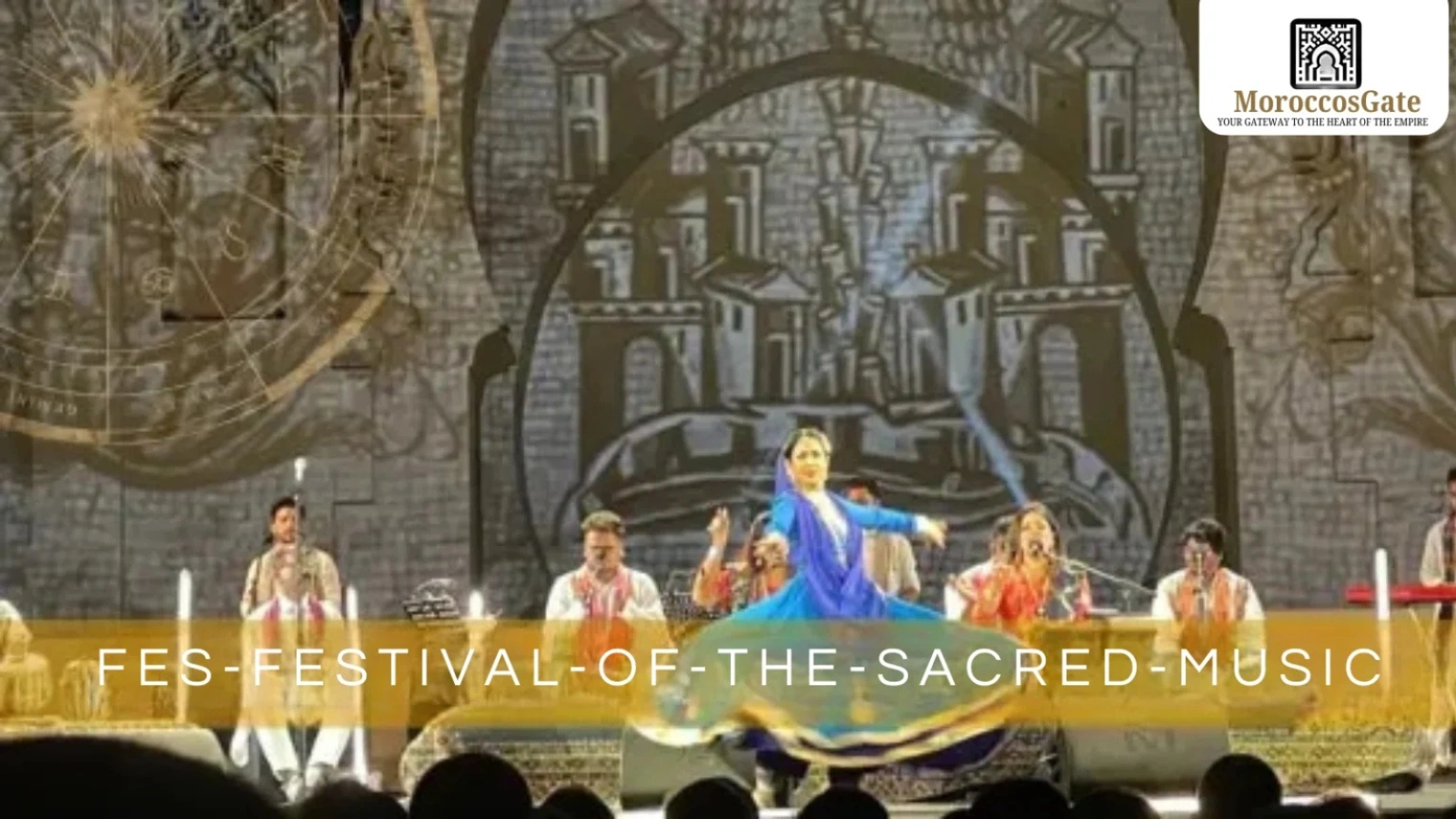
Part Two: The Fes Festival of World Sacred Music 2026 (4–7 June)
What Is the Fes Festival and Why Attend in 2026?
If the Toubkal hike tests your body, the Fes Festival of World Sacred Music nourishes something else entirely. Fes will host the 29th edition of the Fes Festival of World Sacred Music from 4 to 7 June 2026. The event is organised by the Foundation Esprit de Fès and will focus on the theme “Fes and the Mâalemines: Guardians of the Gesture and Heritage.” This year’s programme will include more than 160 artists and 18 main performances over four days.
The festival was founded by Faouzi Skali in 1994, created after the Gulf War as a way to promote peace through music from different cultures and faiths. In the three decades since, it has become one of the world’s most respected cultural events — not merely a concert series but a genuine platform for intercultural and interfaith dialogue. Over the years, the festival has showcased artists such as Patti Smith, Kadim Al-Sahir, Youssou N’Dour, Sami Yusuf, Salif Keita, Ravi Shankar, Miriam Makeba, Björk and Joan Baez.
The 2026 Theme: Fes and the Mâalemines
The 2026 edition is shaping up to be one of the most anticipated gatherings in the festival’s three-decade history. The theme of this year’s edition is rooted in craft, memory, and living heritage. The Mâalemines are the master craftsmen of Morocco — the builders, plasterers, woodcarvers, and tile-setters whose hands shaped the hammams, madrasas, and palaces that still stand in Fes today. Honoring them through music creates a rare convergence of artistic disciplines within a city that is itself a masterpiece.
The opening show will take place on 4 June at Bab Makina, with a performance called “Anima Ex Materia — From Heaven to Earth,” dedicated to craftsmanship. A special performance titled “Bodies” will also mark 70 years of diplomatic ties between Morocco and Germany, bringing together German and Moroccan artists and women’s groups from the High Atlas, Lebanon, and India.
The Venues: Fes as a Living Concert Hall
The venues of the Fes Festival are inseparable from the music itself. Bab Makina — a vast floodlit plaza in front of the Royal Palace gates, its walls of carved stucco and cedar glowing under festival lights — is the primary concert stage and one of the most visually extraordinary performance spaces in the world. Several intimate concerts also take place inside restored riads and cultural centres within the Fes medina. These settings allow audiences to hear traditional instruments and devotional chants inside historic Moroccan architecture decorated with carved cedar wood, zellige tilework, and interior courtyards.
The Jnan Sbil Gardens — a fragrant, tree-canopied park adjacent to the medina — hosts smaller daytime and evening performances in an atmosphere of extraordinary tranquillity. And Dar Tazi palace provides the setting for the Festival Forum: daytime discussions where scholars, artists, and public figures examine the cultural and spiritual themes of each edition. In addition to evening concerts, there will also be morning sessions designed to make the experience more relaxed and personal.
The Music: Sacred Sound Without Borders
The Fes Festival defines sacred music in the broadest and most generous sense. This is not a festival of any single tradition — it is a celebration of the spiritual dimension of music across all cultures and faiths. The 2026 program is set to include a range of performances spanning Sufi devotional music, world music, and intercultural fusions, all performed across Fes’s most storied venues.
In past editions, audiences have experienced Sufi chanting from Morocco and Turkey sitting alongside Georgian polyphonic singing, Indian classical ragas, West African griot traditions, Gregorian plainchant, flamenco, and gospel — all sharing the same stage and the same Fes night sky. The festival’s genius is the curation of dialogue: a Persian flute player and a Galician bagpiper finding each other’s musical language, or a Moroccan Sufi brotherhood sharing a programme with a South Indian percussion ensemble. These are not contrived encounters — they are carefully orchestrated artistic conversations.
Exploring Fes Beyond the Festival
The Fes Festival is a magnificent reason to spend time in what many consider Morocco’s greatest city. Fes el-Bali — the old medina, a UNESCO World Heritage Site — is one of the largest car-free urban areas in the world: a labyrinth of 9,000 alleyways, ancient madrasas, the Kairouyine University (founded in 859 AD and one of the world’s oldest continuously operating universities), traditional tanneries, hammams, and souks that have barely changed in a thousand years.
Arrive at least two days before the festival begins to explore the medina properly. Hire a licensed local guide for your first morning — the medina is genuinely labyrinthine and a good guide will open doors, literally and figuratively, that you would never find independently. The afternoon light in the Chouara tanneries, where leather has been dyed in the same open vats for centuries, is extraordinary. The Bou Inania madrasa’s carved stucco and tilework rivals anything in Andalusian Spain. And the Nejjarine Museum of Wooden Arts and Crafts — fitting, given this year’s Mâalemines theme — houses a collection that illuminates exactly the craft traditions the 2026 festival honours.
Practical Tips for the Fes Festival 2026
- Dates: 4–7 June 2026. Confirmed from the Foundation Esprit de Fès and multiple official sources.
- Tickets: Available through the official festival website (fesfestival.com). Main evening concerts at Bab Makina are ticketed and do sell out for the most popular nights — purchase as soon as the full programme is announced. Morning sessions are more accessible and offer extraordinary intimacy.
- Accommodation: Book two to three months ahead. Festival week fills Fes’s best riads quickly. A riad within Fes el-Bali (the old medina) puts you within walking distance of all venues. See our guide to Morocco’s finest riads for inspiration.
- Getting to Fes: Fes has its own international airport (FEZ) with direct connections from several European cities. Alternatively, Casablanca’s Mohammed V Airport (CMN) is approximately 3.5 hours by train on Morocco’s excellent ONCF rail network.
- Weather in Fes in June: Warm and sunny (25–32°C by day; comfortable evenings). Light clothing for daytime, a thin layer for late-night outdoor concerts.
- Dress code: Fes is a deeply traditional city. Modest dress (covering shoulders and knees) is respectful in the medina and appropriate at all festival venues.
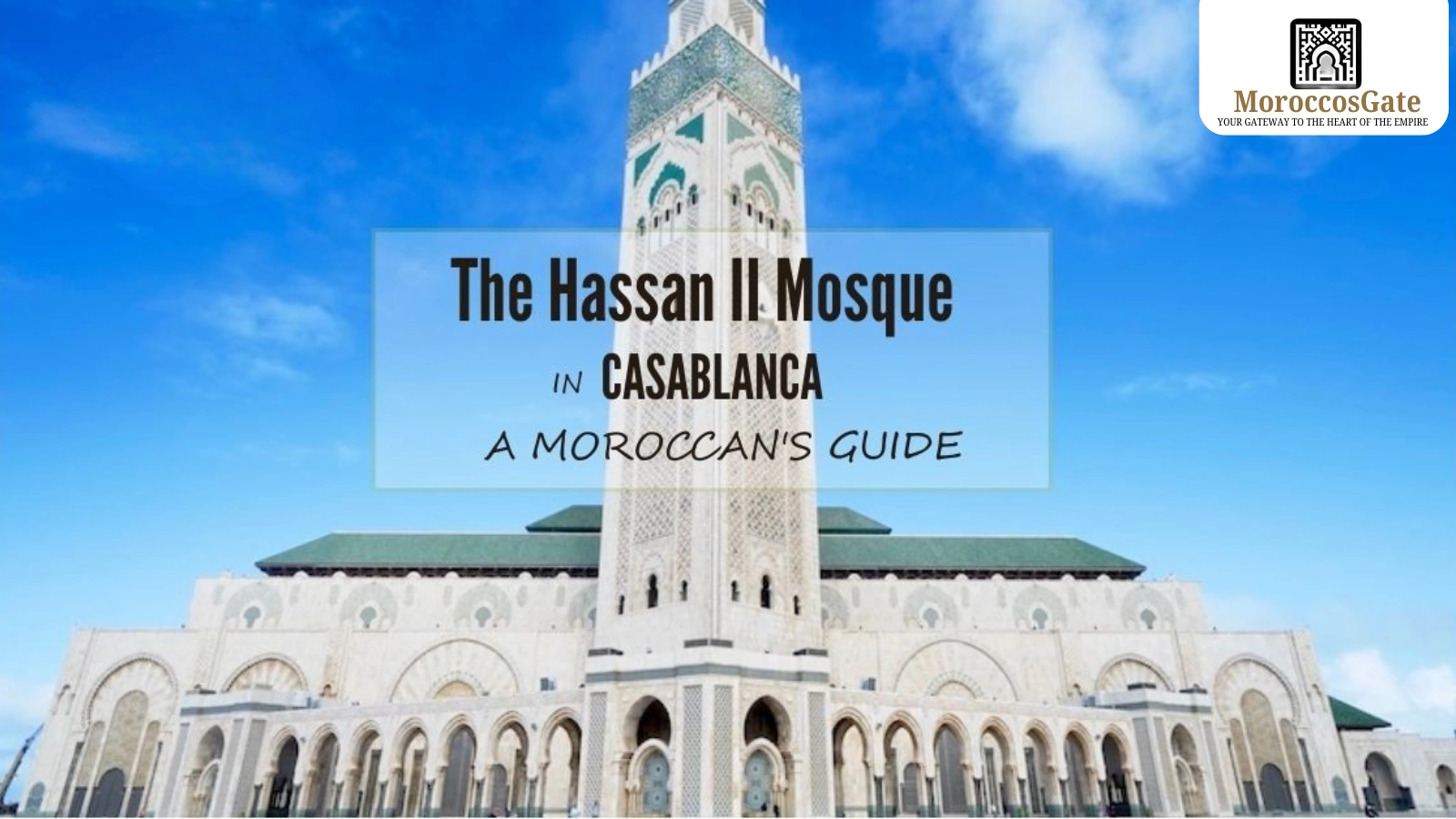
Part Three: Cultural Events and Active Experiences in Casablanca 2026
Casablanca: More Than a Business City
Casablanca suffers from an undeserved reputation as a merely transactional city — a place to pass through on the way to Marrakech or Fes. This is a mistake. In 2026, Morocco’s largest city and commercial capital offers a genuinely rich and varied cultural calendar alongside some of Morocco’s most impressive architecture, finest seafood, and most accessible coastal outdoor experiences.
The Hassan II Mosque: Morocco’s Greatest Living Monument
The single most important cultural site in Casablanca — and one of the most extraordinary buildings in the world — is the Hassan II Mosque. Built on a promontory over the Atlantic Ocean, its minaret rises 210 metres and is the tallest religious structure in the world. The mosque was completed in 1993 and can accommodate 105,000 worshippers; its vast terrace extends directly over the sea.
Non-Muslim visitors can enter the mosque on guided tours (except during prayer times), making it one of the very few mosques in Morocco open to non-Muslims. The interior is breathtaking: 140,000 square metres of handcrafted Moroccan artisanship — marble, granite, cedar, zellige, carved plaster — produced by the finest craftsmen from across the country. The retractable roof (one of only a few in the world of this scale) opens to the Casablanca sky. The combination of architectural grandeur, Atlantic setting, and living religious significance makes this a visit unlike any other in Morocco.
Casablanca’s Art Deco Legacy
Casablanca has one of the world’s finest collections of 1930s Art Deco architecture, a legacy of French colonial urbanism that turned the city centre into a showcase of Modernist design between 1910 and 1950. Walking the streets of the Maarif and Gauthier neighbourhoods — the Boulevard Mohammed V, the Hyatt Square area, the Ancienne Médina — reveals a city that is simultaneously Arab and European, traditional and startlingly modern. The Casablanca Architecture Walk, available through several licensed cultural tour operators, is an excellent half-day experience.
Coastal Hiking and the Casablanca Corniche
Casablanca’s Atlantic Corniche offers a different kind of active experience from the Atlas Mountains — but for those who want to combine cultural tourism with outdoor activity, the coastal path between Ain Diab and Sidi Abderrahman is a genuinely rewarding urban coastal hike. The route passes beaches, clifftop viewpoints, and the offshore shrine island of Sidi Abderrahman (accessible at low tide) before arriving at a stretch of waterfront restaurants where the day’s freshest seafood is grilled over open fires.
Inland from the Corniche, the Bois de Boulogne park and the Anfa plateau neighbourhood offer further walking opportunities in a city that is greener and more pleasant on foot than its commercial reputation suggests.
Dinos Alive and Immersive Experiences 2026
For families and those interested in contemporary immersive entertainment, Casablanca’s 2026 cultural programme includes immersive experiences such as Dinos Alive — a large-scale interactive dinosaur exhibition that has proven enormously popular with both local families and international visitors. Casablanca’s cultural events scene has expanded significantly in recent years, with the city investing in contemporary arts and entertainment infrastructure ahead of the 2030 FIFA World Cup (which Morocco co-hosts with Spain and Portugal).
The Mohammed VI Museum of Modern and Contemporary Art
Opened in 2014 and expanded since, the Mohammed VI Museum of Modern and Contemporary Art (MMVI) in Rabat — a 45-minute train ride from Casablanca — is the finest art institution in North Africa, housing an extraordinary collection of Moroccan and international contemporary art. Combining a day in Casablanca with an afternoon at the MMVI in Rabat makes for one of Morocco’s finest cultural day trips.
Casablanca Cultural Tips for 2026
- Hassan II Mosque tours: Book guided tours in advance, especially during the busy summer festival period. Tours run Saturday–Thursday (excluding prayer times). Entry fee applies; guided tours are worthwhile for the interior access and context they provide.
- Art Deco walking tour: Book through a licensed cultural tour operator in Casablanca for the best guide knowledge. The Old Medina, Central Market, and Habous (New Medina) neighbourhood complement the Art Deco route beautifully.
- Corniche coastal walk: Best in the early morning or late afternoon. The seafood restaurants along the Corniche are excellent for lunch; book ahead for the better-known establishments at weekends.
- Jazzablanca: If you are in Casablanca in July, the Jazzablanca Festival (2–11 July 2026) is Morocco’s finest urban music event. See our full Morocco Summer Beach Festivals 2026 guide for details.
- Getting around Casablanca: The city’s tram network connects major cultural sites. Taxis are plentiful and metered. For the Corniche walk, a taxi to Ain Diab and then walking back is the simplest approach.
Combining Toubkal, Fes, and Casablanca: The Perfect Active Culture Itinerary
Morocco’s geography and transport infrastructure make it entirely feasible to combine all three experiences — a Toubkal trek, the Fes Festival, and Casablanca cultural exploration — in a single 10–14 day trip.
Suggested 12-Day Morocco Active Culture Itinerary (Late May–June 2026)
- Days 1–2: Fly into Marrakech (RAK). Explore Marrakech — Jemaa el-Fna, Majorelle Garden, medina, hammam. Prepare for the trek.
- Days 3–5: Transfer to Imlil. 2- or 3-day Toubkal summit trek. Return to Marrakech on Day 5 evening.
- Day 6: Rest day in Marrakech. Explore the Saadian Tombs, El Badi Palace, or simply recover with a riad lunch and roof terrace afternoon.
- Day 7: Train from Marrakech to Fes (approximately 7 hours, or fly via Casablanca — 45-minute connection). Arrive in Fes, settle into your riad, explore the medina at dusk.
- Days 8–10: Fes Festival of World Sacred Music (4–7 June). Explore Fes el-Bali by day — tanneries, Bou Inania madrasa, Kairouyine, Nejjarine Museum. Evening concerts at Bab Makina.
- Day 11: Train from Fes to Casablanca (approximately 3.5 hours). Casablanca: Hassan II Mosque tour, Art Deco walking tour, Corniche seafood dinner.
- Day 12: Final Casablanca morning — Habous neighbourhood, Central Market, Mohammed VI Museum visit (or day trip to Rabat). Fly home from Casablanca (CMN).
This itinerary combines physical adventure, cultural depth, architectural grandeur, and gastronomic pleasure in a way that covers an extraordinary range of what Morocco has to offer. For detailed seasonal advice on planning around these experiences, see our Best Time to Visit Morocco 2026 guide. For Morocco’s full festival calendar — Rose Festival, Mawazine, Gnaoua, summer beach events — see our Morocco Music Festivals 2026 guide.
Important Travel Notes for Morocco 2026
Accommodation Quality: Ministry of Tourism Audit
As of May 2026, Morocco’s Ministry of Tourism is actively auditing and re-certifying hotels and guesthouses across the country to improve accommodation standards ahead of the 2030 FIFA World Cup. This is broadly positive news for travellers — standards are rising across all categories — but it does mean that some properties may be undergoing renovation or reclassification. MoroccosGate recommends booking through verified, reviewed accommodation only, and we are happy to provide curated recommendations for all destinations covered in this guide.
Safety
All destinations covered in this guide — Marrakech, Imlil, the High Atlas, Fes, and Casablanca — are safe and fully accessible to international visitors as of May 2026. The Atlas Mountains trekking region is well-policed and well-served by licensed guide operations. Standard travel precautions apply: use licensed, registered guides for trekking; keep copies of your documents; and purchase comprehensive travel insurance that covers altitude trekking (check the specific policy wording for mountain activities above 3,000 metres).
Insurance for the Toubkal Trek
Standard travel insurance does not always cover high-altitude trekking. Before booking your Toubkal trek, check that your policy explicitly covers hiking above 3,000 metres and mountain rescue. If not, a specialist trekking insurance policy is available from providers including World Nomads. This is not optional — it is essential.
Frequently Asked Questions
Q1. How hard is the Toubkal hike?
A1. The 2-day Toubkal summit trek is a strenuous but non-technical hike suitable for fit, experienced walkers. No specialist mountaineering skills are required between May and October. The main challenges are altitude (4,167m), steep rocky scree near the summit, and overall duration (10–14 hours total walking across 2 days). Winter conditions (December–March) require crampons and a professional mountain guide.
Q2. Do I need a guide for the Toubkal hike?
A2. A licensed guide is strongly recommended and for winter conditions is essential. Guides provide route knowledge, cultural context, emergency support, and direct support of the local Berber mountain economy. Book through a licensed Imlil-based operator rather than through Marrakech intermediaries for the most authentic and economically responsible experience.
Q3. When is the Fes Festival of World Sacred Music 2026?
A3. The 29th edition of the Fes Festival of World Sacred Music runs from 4 to 7 June 2026 in Fes, Morocco. The theme is “Fes and the Mâalemines: Guardians of the Gesture and Heritage,” with over 160 artists across 18 performances. Tickets are available through fesfestival.com.
Q4. What is the best time of year to hike Toubkal?
A4. Spring (March–May) and autumn (September–November) offer the best conditions — mild temperatures, clear skies, and stable weather. Spring is particularly beautiful with green valleys and wildflowers. Summer is feasible but hot on lower sections; winter requires specialist equipment.
Q5. Can I combine a Toubkal trek with the Fes Festival in one trip?
A5. Yes — and it makes an extraordinary 10–12 day Morocco itinerary. Trek Toubkal from Marrakech (Days 3–5), rest in Marrakech (Day 6), then travel to Fes by train for the festival (Days 7–10), finishing with a day or two in Casablanca before flying home. MoroccosGate can help design the full itinerary.
Q6. What cultural experiences are available in Casablanca 2026?
A6. Casablanca’s 2026 cultural highlights include guided tours of the Hassan II Mosque (one of the world’s largest mosques and one of the few in Morocco open to non-Muslims), Art Deco architectural walking tours, coastal hiking along the Ain Diab Corniche, the Jazzablanca music festival (2–11 July), and immersive experiences including Dinos Alive.
Q7. Is Morocco safe for trekking and cultural travel in 2026?
A7. Yes. Morocco is safe and welcoming for international tourists across all destinations covered in this guide. The Atlas Mountains trekking region is well-established for international visitors. Standard travel precautions apply, and trekking-specific travel insurance is essential for the Toubkal hike.
Q8. How do I get from Marrakech to Imlil for the Toubkal trek?
A8. The most convenient option is a grand taxi (shared or private) from near Jemaa el-Fna square in Marrakech — approximately 250–350 MAD for the whole taxi, taking 75–90 minutes. Private transfers can also be arranged through your riad or tour operator. There is no direct bus; buses serve Asni, 17 km before Imlil, requiring an onward local taxi.
Plan Your Morocco Active & Cultural Trip with MoroccosGate
Whether you are drawn to the physical exhilaration of standing on North Africa’s highest summit at dawn, the spiritual resonance of sacred music echoing through Fes’s ancient courtyards, or the cultural richness of Casablanca’s overlooked architectural and coastal treasures, Morocco in 2026 has extraordinary active and cultural experiences waiting for you.
The MoroccosGate team has trekked to the Toubkal summit, attended the Fes Sacred Music Festival, and walked every corner of Casablanca covered in this guide. We plan trips that combine these experiences intelligently — matching the right season, the right operators, and the right itinerary to what you are actually looking for.
- → Talk to our team and start planning your Morocco active & culture trip 2026
- → Browse curated Morocco travel deals
- → Morocco Music Festivals 2026 — full guide
- → Best Time to Visit Morocco 2026
- → Morocco Rose Festival 2026 — El Kelaâ M’Gouna, 6–9 May
About the Author: MoroccosGate Editorial Team
The MoroccosGate team is based between Dublin, Ireland, and Morocco, with over a decade of first-hand experience trekking Morocco’s mountains, attending its festivals, and exploring its cities. We have reached the Toubkal summit in spring snow, sat in the Bab Makina courtyard as Sufi music rose into the Fes night, and walked the Casablanca Corniche in the golden hour. Our active travel and cultural guides are written from the inside out — not from press releases or generic research. MoroccosGate has been helping Irish and European travellers plan meaningful Morocco experiences.
Affiliate Disclosure: This article contains affiliate links. MoroccosGate may earn a commission when you book tours, accommodation, or travel services through links on this page, at no additional cost to you. All recommendations are based on genuine first-hand knowledge. This commission helps us continue producing free, independent Morocco travel content.