
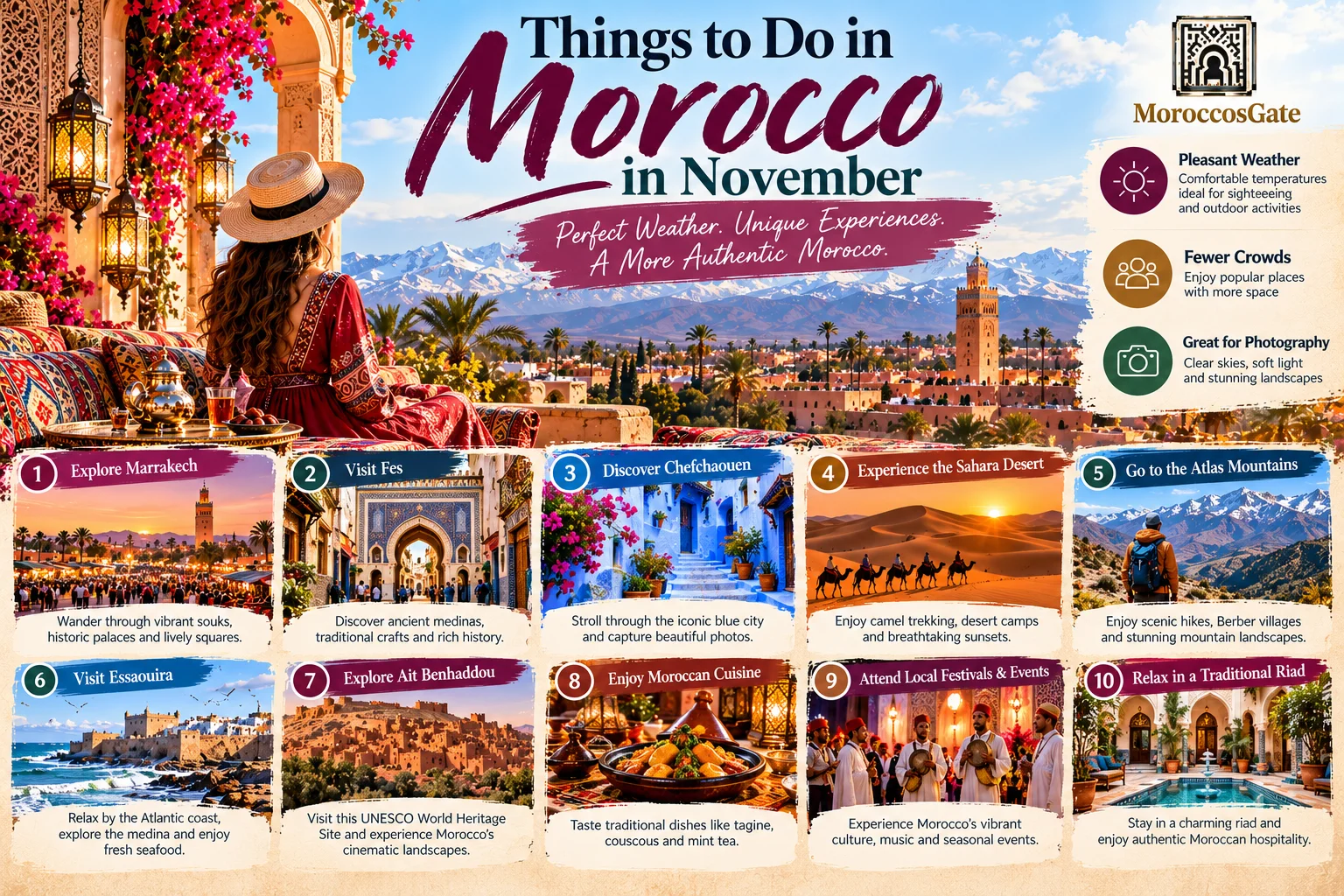
Things to Do in Morocco in November: 15 Unforgettable Experiences
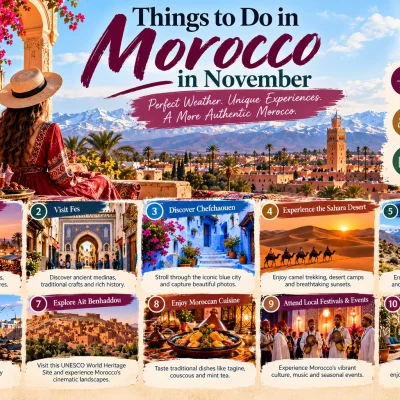
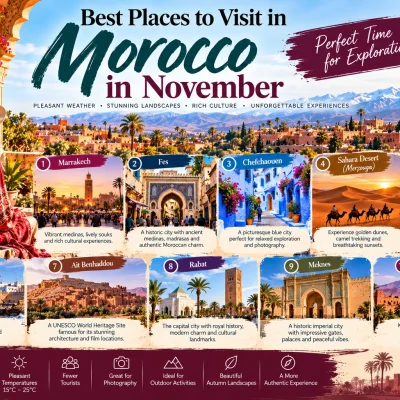
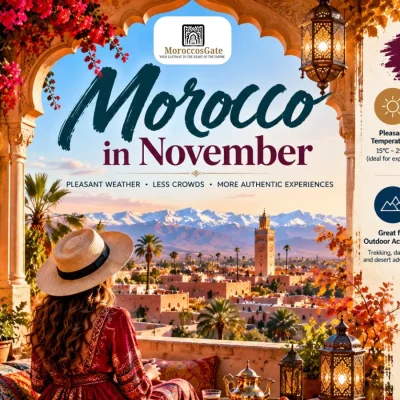
November is a wonderful month to explore Morocco if you want a mix of cultural discoveries, outdoor adventures, desert landscapes, coastal scenery, and authentic food experiences. As autumn transitions towards winter, many destinations offer comfortable conditions for sightseeing, while cooler evenings create a different atmosphere in historic medinas, mountain villages, and desert camps.
From watching the sunset over the Sahara Desert to wandering through Marrakech’s lively souks, hiking in the Atlas Mountains, tasting traditional Moroccan dishes, and enjoying the Atlantic coast, there are plenty of memorable things to do in Morocco in November.
The best experiences depend on your interests and travel route. Inland cities can be pleasant for walking during the day, the Sahara is often attractive for autumn excursions, and coastal destinations such as Essaouira and Agadir offer a different pace. Mountain weather can be much colder, particularly at higher elevations, so preparation is important.
This guide covers 15 activities to consider, along with suggested destinations, packing advice, itinerary ideas, and practical tips to help you plan your November holiday.
Is November a Good Time to Visit Morocco?
Yes, November can be an excellent time to visit Morocco, particularly if your trip combines city sightseeing with desert experiences or outdoor activities. However, conditions vary by region, so it is important to plan according to your destinations rather than assuming the entire country has the same weather.
The Moroccan National Tourist Office explains that Morocco experiences several climatic influences because of its Atlantic and Mediterranean coastlines, the Rif and Atlas Mountains, and the Sahara region. It also identifies autumn as a favourable season for exploring the desert.
Here are some reasons to consider a November trip:
- Comfortable sightseeing: Many travellers find it easier to explore inland cities when summer heat has eased.
- Desert adventures: November can be suitable for guided dune excursions and overnight desert camps, although nights may be cold.
- Outdoor experiences: Lower-altitude walks and selected mountain routes may be enjoyable when weather and trail conditions are suitable.
- Coastal relaxation: Atlantic towns provide opportunities for beach walks, seafood, surfing, and relaxed sightseeing.
- Cultural discoveries: Historic medinas, traditional markets, museums, gardens, and architecture can be explored at a comfortable pace.
November is not guaranteed to be warm or dry everywhere. Northern Morocco may experience rain, evenings can be chilly, and higher mountain routes may become snowy or icy. Check local forecasts before travelling.
1. Watch the Sunset over the Sahara Desert
A Sahara Desert excursion is one of the most memorable things to do in Morocco in November. The dunes near Merzouga and Erg Chebbi create a spectacular landscape of golden sand, changing shadows, and wide-open horizons.
November can be a favourable time for a desert visit because daytime conditions are often more manageable than in summer. The important consideration is the temperature after sunset, when the desert can become surprisingly cold.
What to experience in the Sahara
Watch the changing colours of the dunes. Late afternoon is a beautiful time to observe the shifting light across the sand. Go with a local guide and follow advice about safe walking routes.
Take a guided camel excursion. A camel ride is a traditional way to experience the dunes. Choose a responsible operator that treats animals appropriately and explains the length, route, and physical demands of the excursion.
Spend a night at a desert camp. An overnight stay gives you more time to enjoy the quiet surroundings, evening sky, and sunrise. Before booking, confirm the camp’s location, bathroom arrangements, meals, blankets, heating options, and transfers.
Enjoy desert stargazing. On a clear night, the open landscape can provide excellent opportunities to observe the stars. Visibility depends on cloud cover, moonlight, and local light pollution.
Practical advice
A trip to Merzouga from Marrakech involves substantial driving. Consider a multi-day route with overnight stops rather than attempting the entire journey in a rush. Pack a warm jacket, long trousers, closed shoes, and warm sleepwear.
If you prefer a shorter excursion from Marrakech, the Agafay area offers a rocky desert-style landscape and organised outdoor experiences. It is not the Sahara, so choose the destination that matches the experience you want.
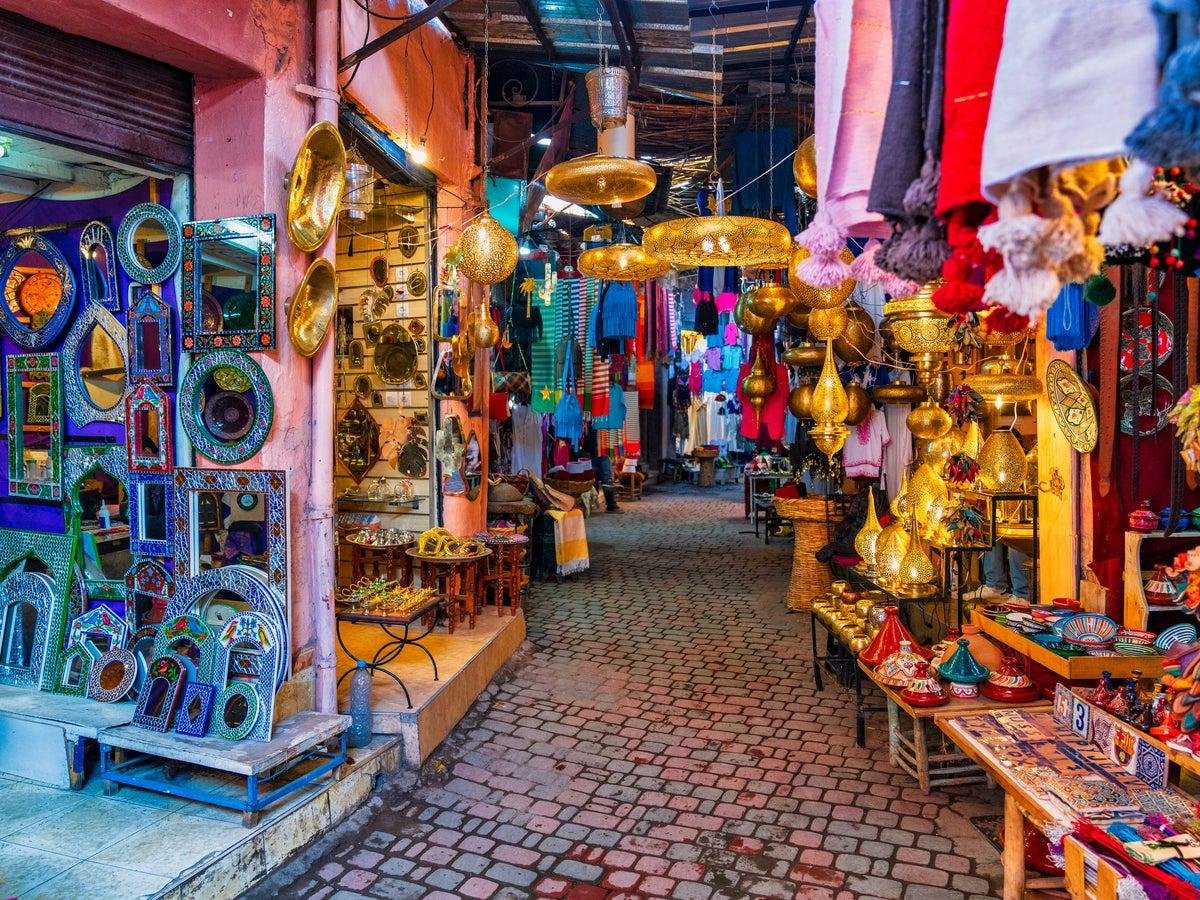
2. Explore the Souks and Medina of Marrakech
Marrakech is one of the best places to enjoy traditional markets and city life in November. Its medina combines narrow lanes, historic buildings, artisan workshops, food stalls, and colourful shops selling textiles, ceramics, leather goods, lamps, and spices.
The cooler part of the year can make long walks through the city more comfortable than in the hottest summer months.
Things to do in Marrakech
Explore the traditional souks. Wander through the market lanes, compare handmade products, and watch artisans at work where workshops welcome visitors. Bargaining may be customary in some shops, but keep the interaction friendly and respectful.
Visit Jemaa el-Fnaa. The famous square changes throughout the day. Visit earlier to explore the surrounding streets, then return in the evening for the atmosphere and food stalls.
Discover Bahia Palace. Admire decorative tilework, courtyards, and traditional architectural details. Check current opening hours and ticket arrangements before visiting.
Relax in a garden. Jardin Majorelle is a popular attraction, so check booking requirements in advance. Allow enough time for the visit rather than squeezing it between several distant attractions.
Enjoy a traditional hammam. A hammam experience can be a relaxing way to unwind after a day of walking. Choose a reputable establishment, understand what the treatment includes, and confirm the price before starting.
November travel tip
Plan outdoor sightseeing for daylight hours and bring a layer for the evening. If you are visiting several attractions, group those within the same area to reduce unnecessary travel across the city.
3. Spend a Night in a Traditional Moroccan Riad
Staying in a riad is an experience in itself. These traditional houses are often arranged around an interior courtyard, with decorative tilework, carved details, plants, and peaceful spaces away from busy streets.
Riad accommodation is particularly appealing if you want to experience the atmosphere of an old medina rather than stay exclusively in a modern hotel.
What makes a riad special?
- Traditional architecture: Many riads showcase Moroccan craftsmanship, from geometric tiles to carved plaster and wooden ceilings.
- Courtyard relaxation: An inner courtyard can offer a calm place to rest after sightseeing.
- Local hospitality: Some properties provide Moroccan breakfasts, tea, and advice about neighbourhood attractions.
- Rooftop views: Certain riads have terraces overlooking the medina, which can be enjoyable in mild daytime weather.
How to choose a riad in November
Read recent reviews and confirm whether the room has adequate heating or extra blankets. Older buildings can feel cold at night, even when afternoons are comfortable.
Check the property’s location, access arrangements, luggage assistance, cancellation policy, and distance from transport. Some medina lanes are inaccessible to cars, so ask where the driver can drop you off.
4. Taste Authentic Moroccan Food
Food is one of the most rewarding ways to discover Moroccan culture. November sightseeing often leaves plenty of opportunities to pause for a long lunch, explore a market, or enjoy a warming meal after an outdoor excursion.
Moroccan cuisine varies by region and household, so try several dishes rather than limiting yourself to one familiar meal.
Moroccan dishes worth trying
Tagine: A slow-cooked dish prepared in a distinctive pot, often with vegetables, meat, poultry, spices, or preserved lemon and olives.
Couscous: A traditional dish frequently served with vegetables and, depending on the recipe, meat or other accompaniments.
Harira: A nourishing soup commonly prepared with ingredients such as tomatoes, lentils, chickpeas, herbs, and spices.
Pastilla: A layered pastry that can combine sweet and savoury flavours, depending on the recipe.
Mint tea: A well-known part of Moroccan hospitality, often served in cafés, homes, and riads.
Fresh bread and market snacks: Visit local bakeries and food markets to discover regional flavours and everyday Moroccan food traditions.
Join a cooking class
A cooking class can introduce you to Moroccan ingredients, spice combinations, preparation techniques, and regional recipes. Classes may include a market visit, hands-on cooking, and a shared meal.
Ask what is included in the price and whether the class can accommodate allergies or dietary preferences. Choose establishments that explain ingredients clearly and follow good food-handling practices.
5. Take a Guided Walk in the Atlas Mountains
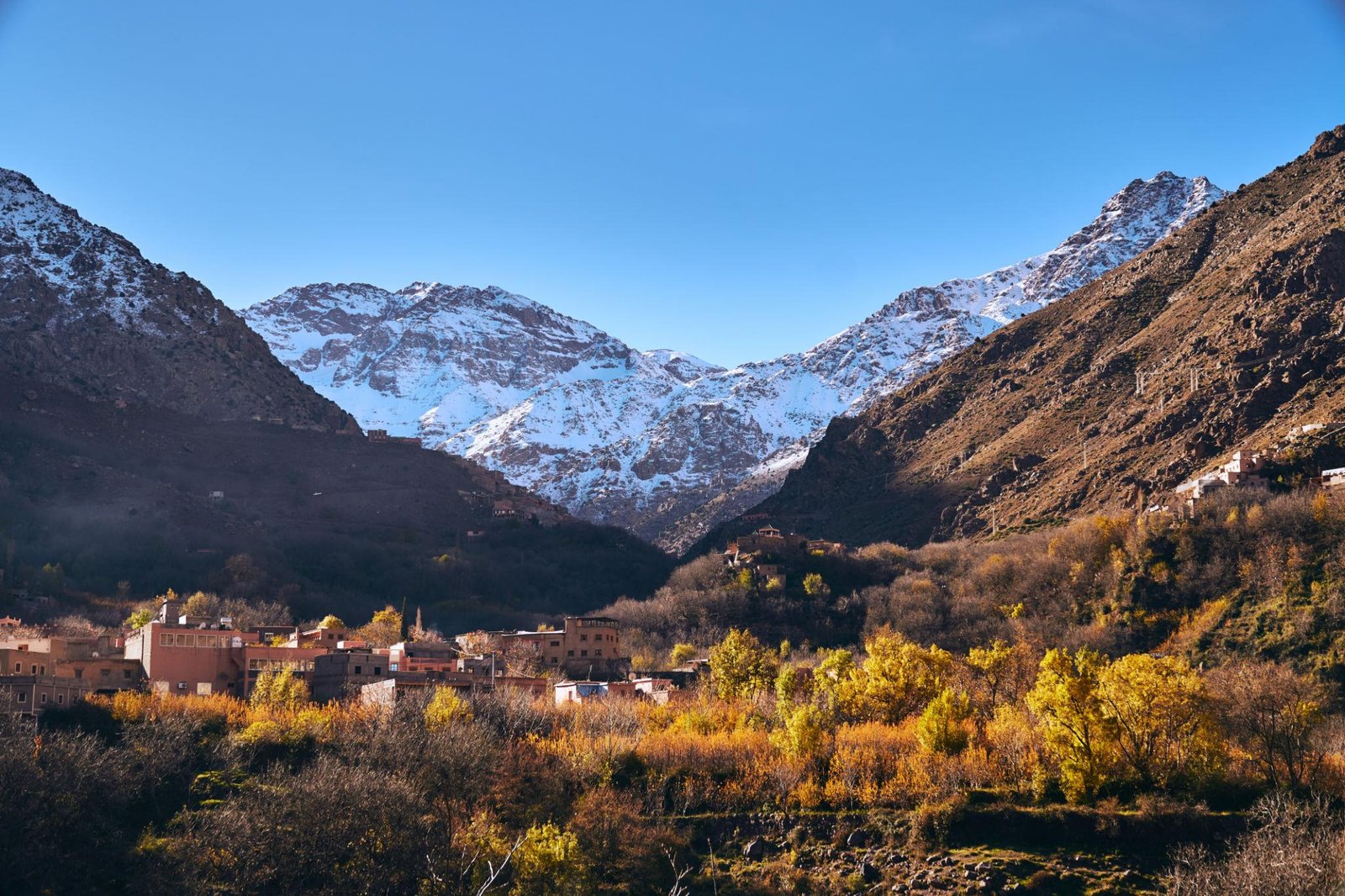
The Atlas Mountains offer a striking contrast to Morocco’s cities and desert. Around Imlil and other mountain communities, visitors can explore village paths, terraced landscapes, valleys, and views of rugged peaks.
November can be suitable for selected lower-altitude walks, but it is not a guarantee that all trails will be accessible. Higher routes may experience snow, ice, strong winds, or freezing temperatures.
Mountain activities to consider
Walk between mountain villages. A guided route can introduce you to local architecture, agriculture, and everyday life. Ask your guide to choose a walk that suits your fitness and the weather.
Enjoy panoramic viewpoints. You do not need to attempt a demanding summit to appreciate the scenery. Shorter walks can offer memorable views while keeping your schedule flexible.
Stay in a mountain guesthouse. An overnight visit gives you more time to explore the area and experience local hospitality. Confirm heating, hot water, road access, and transport before booking.
Try a local meal. Traditional dishes, freshly prepared bread, and seasonal ingredients can be part of the experience.
Safety considerations
Check weather forecasts and trail conditions before setting out. Wear footwear with good grip, carry warm and waterproof layers, and bring sufficient water. Avoid high-altitude routes if conditions are unsuitable. For challenging hikes, use an appropriately qualified guide and follow local safety advice.
6. Enjoy a Relaxing Day in Essaouira
Essaouira is an atmospheric Atlantic coastal town known for its historic ramparts, fishing harbour, medina, art galleries, and relaxed pace.
It is a good choice if you want a break from busy city sightseeing. November may be breezy or rainy, but the coast remains appealing for walks, photography, seafood, and exploring historic streets.
Best experiences in Essaouira
Walk along the ramparts. Enjoy views of the Atlantic and the town’s historic fortifications. Follow safety instructions, especially in windy weather.
Explore the fishing harbour. Watch the boats and harbour activity, and visit a reputable restaurant for freshly prepared seafood. Confirm prices and preparation before ordering.
Browse the medina. Look for crafts, textiles, galleries, and small independent shops. The compact layout makes it suitable for an unhurried walk.
Take a beach walk. The wide beach is attractive for fresh air and ocean views. Swimming conditions depend on water temperature, currents, and weather, so follow local guidance.
Stop at a café. Enjoy mint tea or coffee while taking a break from sightseeing.
What to pack
A windproof layer is useful even on a sunny day. If rain is forecast, bring a compact waterproof jacket and footwear suitable for wet streets.
7. Discover Moroccan Architecture in Fes
Fes is a rewarding destination for anyone interested in historic architecture, traditional crafts, and cultural heritage. Its ancient medina contains narrow streets, workshops, markets, and historic buildings that reveal different aspects of Morocco’s past.
Activities in Fes
Explore Fes el-Bali. Walk through the old medina, ideally with a knowledgeable local guide who can help you navigate the lanes and explain their history.
Visit traditional craft workshops. Fes is known for ceramics, leatherwork, woodwork, metalwork, and other artisan traditions. Ask before photographing workers or their products.
Admire historic architecture. Explore sites open to visitors and learn about their decorative details, courtyards, and historical context. Access restrictions vary, especially at religious sites, so check visitor rules.
Sample local specialities. Try traditional dishes and pastries at well-reviewed restaurants or cafés.
November can be cooler and wetter in Fes than in some southern destinations. Wear comfortable shoes and carry a light waterproof layer.
8. Visit the Historic Ksar of Aït Benhaddou
Aït Benhaddou is a historic fortified settlement in southern Morocco, recognised for its traditional earthen architecture and dramatic landscape setting. It is an excellent stop for travellers interested in history, photography, architecture, and scenic road trips.
What to do at Aït Benhaddou
Walk through the settlement. Explore the lanes and viewpoints while respecting residents, private property, and protected structures.
Learn about earthen architecture. A local guide can explain traditional building methods, the use of local materials, and the challenges of preserving historic structures.
Photograph the landscape. Morning and late-afternoon light can create beautiful contrasts across the buildings and surrounding scenery.
Combine it with Ouarzazate. The nearby city can serve as a base for further exploration of southern Morocco and its film-related attractions.
Planning advice
November can be comfortable for outdoor sightseeing, but conditions on mountain roads may change. Allow enough time for the journey, check road updates, and avoid driving unfamiliar routes in poor weather or after dark where possible.
9. Go Surfing or Enjoy Coastal Activities near Taghazout
Taghazout, north of Agadir, is well known for its surf culture and coastal atmosphere. November can be a good time to consider surfing as winter swells begin to influence the Atlantic coast, although conditions vary by beach and day.
Coastal activities
Book a surf lesson. Beginners can look for reputable surf schools that provide instruction, appropriate equipment, and clear safety guidance.
Watch experienced surfers. Even if you do not surf, the coastline can be an enjoyable place to observe the waves and relax at a café.
Walk along the coast. Choose a route suited to the weather and terrain, and avoid exposed areas when waves or winds are strong.
Enjoy a coastal meal. Try Moroccan dishes or seafood at a restaurant with transparent pricing and good recent reviews.
Do not assume that every day will be suitable for surfing or swimming. Ask local instructors about conditions, currents, and the right level of experience before entering the water.
10. Experience a Moroccan Hammam and Wellness Ritual
A traditional hammam can be a relaxing addition to a busy itinerary. Depending on the establishment, the experience may include steam, washing rituals, exfoliation, and optional massage treatments.
How to plan your hammam visit
- Choose a reputable spa or hammam with clear service descriptions.
- Confirm prices, treatment duration, and what is included.
- Ask about privacy arrangements and whether treatments are conducted in separate spaces.
- Communicate any sensitivities or health-related concerns to the provider before treatment.
- Allow time to rest afterwards rather than scheduling a demanding excursion immediately.
Some hammams cater mainly to local residents, while others are designed for visitors. Both can offer worthwhile experiences, but expectations, facilities, and prices may differ.
11. Take a Hot-Air Balloon Ride near Marrakech
A hot-air balloon flight can offer a memorable view of the countryside, with landscapes that may include fields, villages, and distant Atlas Mountain scenery.
Flights commonly take place early in the morning, when wind conditions may be more suitable. November mornings can be cold, so wear layers.
Before booking
Confirm the departure location, transfer arrangements, flight duration, weather cancellation policy, safety procedures, and what is included in the price. Ask whether the operator provides a refund or rescheduling option if conditions prevent the flight.
Balloon flights are weather-dependent, so avoid placing this activity immediately before an essential onward journey. If the flight is cancelled, have a backup plan such as a garden visit, medina walk, or local food experience.
12. Explore the Agafay Desert
If you want a desert-style excursion without travelling all the way to Merzouga, consider Agafay, a rocky landscape within reach of Marrakech.
Agafay is different from the Sahara: its terrain is generally rocky and stony rather than dominated by extensive sand dunes. It can nevertheless offer attractive views, guided excursions, and overnight stays.
Things to do in Agafay
Take a guided excursion. Depending on the operator, activities may include a camel ride, a walk, or a vehicle tour across designated routes.
Enjoy a meal with a view. Some camps offer lunch or dinner experiences overlooking the landscape. Check what is included and whether transfers are provided.
Stay overnight. A camp stay can give you more time to enjoy the quiet surroundings and evening sky. Check heating, blankets, bathrooms, and the camp’s exact location before booking.
Watch the sunset. Changing light creates a memorable setting for photography, provided the weather cooperates.
Compare the total journey time, activity inclusions, and cancellation conditions when choosing between Agafay and the Sahara.
13. Photograph Chefchaouen’s Blue Streets
Chefchaouen, in the Rif Mountains of northern Morocco, is famous for its blue-painted lanes, doorways, staircases, and mountain backdrop. It is an appealing destination for photography and relaxed exploration.
Photography and sightseeing ideas
Explore early in the day. Morning light can be softer, and some lanes may be quieter before the busiest visitor hours.
Look beyond the famous streets. Notice the architecture, plants, textures, and small details that make the town distinctive.
Enjoy a café break. Pause in the central square or a neighbourhood café rather than rushing between photographs.
Explore nearby viewpoints. If weather and trail conditions allow, ask locally about suitable walking routes and viewpoints.
November can bring cooler temperatures and rain to northern Morocco. Bring a waterproof layer, wear shoes with good grip, and allow flexibility if the weather changes.
When photographing residents, shopkeepers, or children, ask permission and respect anyone who does not want to be photographed.
14. Visit Gardens, Museums, and Cultural Attractions
Not every November activity needs to be outdoors. Gardens, museums, and historic attractions provide useful alternatives if rain or cooler temperatures affect your plans.
Experiences to add to your itinerary
Visit a botanical garden. Gardens in cities such as Marrakech can offer a peaceful contrast to busy markets. Check ticketing and opening times in advance.
Explore a museum. Choose museums that match your interests, whether art, history, photography, design, or local culture.
Learn about Moroccan craftsmanship. Look for exhibitions or guided visits that explain ceramics, textiles, woodwork, metalwork, or traditional building techniques.
Discover local neighbourhoods. Walk beyond the most famous attractions to experience cafés, bakeries, public spaces, and everyday urban life respectfully.
Keep one flexible activity in reserve for a rainy day. Check opening hours before setting out, as schedules and admission arrangements can change.
15. Shop for Moroccan Crafts and Souvenirs
Shopping is more rewarding when you understand what you are buying and take time to compare options. Moroccan markets and artisan shops offer a wide range of handmade and locally produced goods.
Souvenirs worth considering
- Ceramic bowls, plates, and decorative tiles.
- Woven rugs and textiles.
- Leather bags and accessories.
- Metal lanterns and decorative objects.
- Spices and packaged food products.
- Small handmade gifts and craft items.
Ask about materials, dimensions, care instructions, and whether an item is handmade. For larger purchases, confirm packaging and shipping arrangements before paying.
If you plan to bring food, plants, animal products, or other restricted items home, check your destination country’s customs rules before buying. For fragile items, consider how you will transport them safely.
What Is the Weather Like in Morocco in November?
Morocco has several climate zones, so November weather depends on your destination and altitude. Coastal areas can be mild and breezy, inland cities often have comfortable afternoons with cooler evenings, and desert nights can be cold. Mountain conditions become more demanding at higher elevations.
Use regional forecasts for your exact travel dates rather than relying on a single national temperature estimate.
A broad planning guide:
- Marrakech: Often suitable for daytime sightseeing, with cooler evenings.
- Fes and Chefchaouen: Cooler conditions and a possibility of rain.
- Merzouga and the Sahara: Often appealing for daytime excursions, but cold nights require warm clothing.
- Essaouira and Agadir: Coastal walks and outdoor dining can be enjoyable, although wind or rain is possible.
- Atlas Mountains: Conditions vary with elevation; snow, ice, or freezing temperatures may affect high routes.
For official regional climate information, consult the Moroccan National Tourist Office.
What to Wear in Morocco in November
The most useful packing strategy is to bring layers. You may experience sunny afternoons in one destination and cold evenings in another, particularly if your itinerary includes both the coast and desert.
Pack the following:
- Comfortable trousers and lightweight tops for daytime sightseeing.
- A fleece, cardigan, or insulated jacket for cool evenings.
- A waterproof jacket for northern cities and mountain areas.
- Comfortable walking shoes with good grip.
- A scarf or light wrap for wind, sun, and visits to religious sites.
- Sun protection, sunglasses, and a reusable water bottle.
- Warm sleepwear for desert camps and mountain accommodation.
- A small daypack for excursions and personal essentials.
Choose clothing that respects local customs, particularly when visiting religious sites and rural communities. Check specific venue requirements before your visit.
For a more detailed packing guide, see our article on What to Wear in Morocco in November once that page is published.
Suggested 7-Day Morocco Itinerary for November
A week is enough for a rewarding trip if you avoid trying to cover every region.
Days 1–3: Marrakech
Explore the medina and souks, visit a garden or palace, sample Moroccan food, and enjoy a hammam or cooking class. Consider an Agafay excursion if you want a desert-style experience without a long journey south.
Day 4: Atlas Mountains
Take a guided walk in a suitable lower-altitude area or visit a mountain village. Check weather and road conditions first.
Days 5–6: Essaouira
Travel to the coast, explore the medina and ramparts, enjoy seafood, and walk along the beach.
Day 7: Return and depart
Allow enough time to return to your departure airport. If transport schedules are tight, add an extra night rather than risking a rushed connection.
If your priority is the Sahara, consider a different route with more days. The journey to Merzouga and back is substantial, and the desert deserves sufficient time.
Suggested 10-Day Morocco Itinerary for November
With ten days, you can combine cultural sightseeing with a southern road trip.
- Days 1–3: Marrakech, including the souks, historic attractions, gardens, and local food.
- Days 4–5: Travel towards Ouarzazate and Aït Benhaddou, stopping at suitable viewpoints and towns along the route.
- Days 6–7: Continue towards Merzouga for a guided desert experience and an overnight camp stay.
- Day 8: Begin the return journey or continue towards another destination if transport arrangements make it practical.
- Day 9: Explore Marrakech or another planned stop, depending on the route.
- Day 10: Depart, allowing a suitable buffer for travel to the airport.
This itinerary includes long drives. Confirm actual journey times and road conditions before booking, and avoid adding several distant destinations simply to increase the number of places visited.
Practical Tips for Travelling in Morocco in November
Book specialist activities carefully
For desert camps, balloon flights, surfing lessons, and mountain guides, read the inclusions and cancellation terms. Ask about equipment, transfers, safety procedures, and what happens if weather disrupts the activity.
Keep your itinerary flexible
Rain or strong winds can affect outdoor plans. Have a backup activity such as a museum, cooking class, or cultural attraction.
Start longer excursions early
Daylight is shorter than in summer. Early starts can give you more time for sightseeing and help avoid finishing a long drive after dark.
Respect local customs and communities
Ask permission before photographing people, dress appropriately for religious sites, and follow guidance in residential or protected areas.
Plan transport realistically
Mountain roads, long distances, and sightseeing stops can make travel slower than expected. Group nearby activities together and leave room for breaks.
Carry some cash
Cards are accepted in many hotels and larger businesses, but cash can be useful at small shops, markets, and some local establishments. Use reputable exchange services and keep your money secure.
Frequently Asked Questions
What are the best things to do in Morocco in November?
Popular choices include exploring Marrakech’s souks, taking a Sahara Desert excursion, walking in the Atlas Mountains when conditions allow, visiting Essaouira, tasting Moroccan food, staying in a riad, and discovering historic architecture in Fes and Aït Benhaddou.
Is November a good month for a Sahara Desert trip?
November can be a good time for a Sahara excursion because daytime conditions are often more manageable than in summer. Nights can be cold, so choose a suitable camp and bring warm clothing.
Can you hike in Morocco in November?
Yes, selected trails may be suitable, especially at lower elevations, but conditions vary. Check local forecasts, ask about trail access, and use a qualified guide for challenging routes. Snow and ice may affect higher mountain paths.
Is Morocco warm in November?
Some destinations have mild or warm afternoons, but temperatures vary by region and altitude. Coastal areas, inland cities, the Sahara, and the mountains can feel very different. Pack layers and check forecasts for your travel dates.
What should I wear in Morocco in November?
Wear comfortable daytime clothing with a warm layer for evenings. Bring a waterproof jacket, suitable walking shoes, and warmer clothes for desert nights or mountain excursions.
Can I go surfing in Morocco in November?
Surfing may be an option around Taghazout and other Atlantic coastal areas, depending on the conditions and your experience. Book a reputable school or guide and follow local advice about waves and currents.
Is Agafay the same as the Sahara Desert?
No. Agafay is a rocky landscape near Marrakech, while the Sahara is an extensive desert region with areas of large sand dunes, including Erg Chebbi near Merzouga. They offer different experiences and travel times.
How many days do I need for Morocco in November?
Seven days can suit a focused trip based around Marrakech and nearby destinations. Ten to fourteen days provide more flexibility for a longer southern route or a combination of cities, mountains, and coast.
Are attractions open in Morocco in November?
Many major attractions operate during November, but opening times, weekly schedules, admission arrangements, and special closures can vary. Confirm current information before visiting.
Is November suitable for a family trip to Morocco?
It can be, particularly if you choose a manageable itinerary and family-friendly accommodation. Consider travel times, children’s tolerance for cooler evenings, and the practical requirements of desert or mountain excursions before booking.
Final Thoughts
There are many rewarding things to do in Morocco in November, from exploring Marrakech’s historic medina and sampling traditional cuisine to watching the sunset over the Sahara, walking in the Atlas Mountains, and relaxing along the Atlantic coast.
The best trip is not necessarily the one with the most stops. Choose experiences that match your interests, allow realistic travel time, and prepare for changing temperatures and weather. With a flexible itinerary and the right clothing, November can be an excellent opportunity to discover Morocco’s cultural heritage, varied landscapes, and warm hospitality.
Affiliate Disclosure: Some links in this article may be affiliate links. If you book or purchase through them, Morocco’s Gate may earn a commission at no additional cost to you. Please review the terms and suitability of any service before booking.
AI-Generated Image Disclaimer: Some images used in this article may be AI-generated or AI-enhanced for illustrative purposes. They may not exactly represent actual locations, buildings, weather conditions, or experiences.