
Morocco in November: Complete Weather and Travel Guide
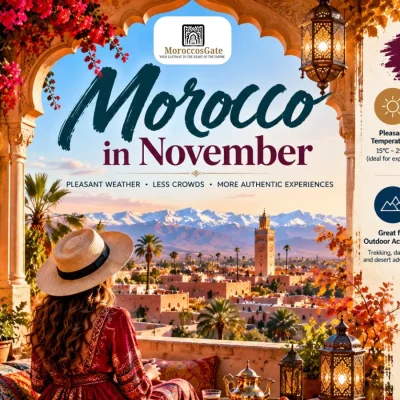
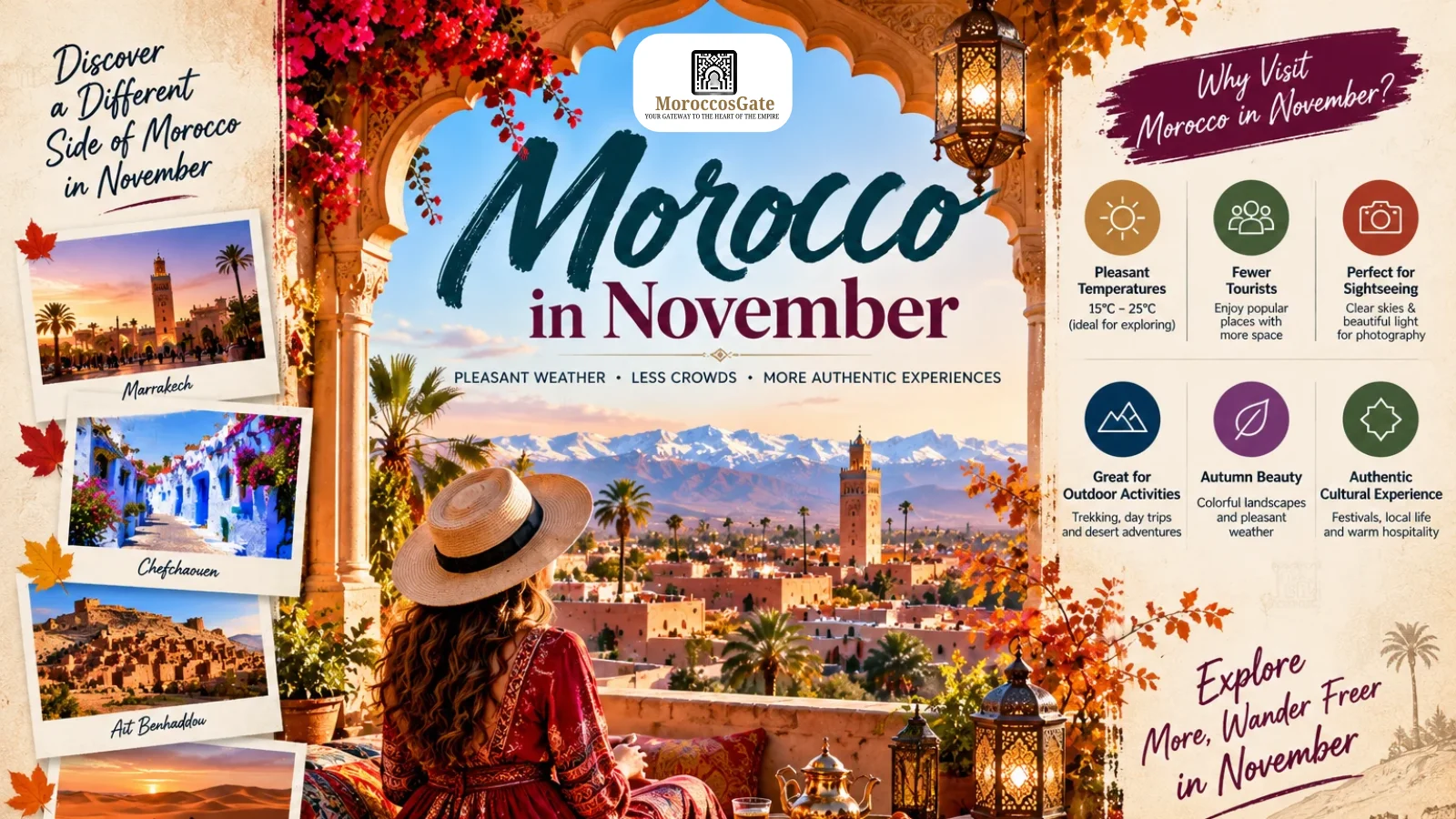
Planning a trip to Morocco in November? This autumn month can be a rewarding time to explore the country’s historic cities, colourful souks, dramatic desert landscapes, mountain villages and Atlantic coastline. With summer’s intense heat generally easing, many destinations become comfortable for sightseeing and outdoor activities. However, Morocco’s weather varies significantly by region, so choosing the right destinations and packing appropriate clothing will help you make the most of your visit.
From wandering through Marrakech’s lively medina to watching the sunrise over the Sahara Desert, November offers opportunities to experience different sides of Morocco at a relaxed pace. You can explore traditional architecture in Fes, discover the blue streets of Chefchaouen, enjoy the coastal atmosphere of Essaouira or travel towards the Atlas Mountains for scenic walks.
The key to planning a successful trip is understanding what November is actually like in each region. The south and desert can enjoy warm daytime conditions, while northern cities and mountain areas may be cooler and wetter. Evenings can feel chilly, particularly in desert camps and higher elevations.
In this guide, you will discover the weather in Morocco in November, the best places to visit, things to do, suggested itineraries, packing advice, cultural experiences and practical travel tips to help you plan your holiday.
Is November a Good Time to Visit Morocco?
Yes, November can be a good time to visit Morocco, especially if you prefer sightseeing and outdoor experiences without the intense heat of summer. The month offers a useful balance between daytime comfort and seasonal variety, although conditions depend on where you travel.
There are several reasons to consider a November holiday.
1. Comfortable conditions for city sightseeing
Marrakech and other inland cities can have pleasant daytime temperatures in November. This makes it easier to spend time exploring historic streets, browsing traditional markets, visiting gardens and discovering architectural landmarks.
Mornings and evenings are cooler, so bring a jumper or light jacket rather than packing only summer clothing.
2. A good opportunity to explore the Sahara
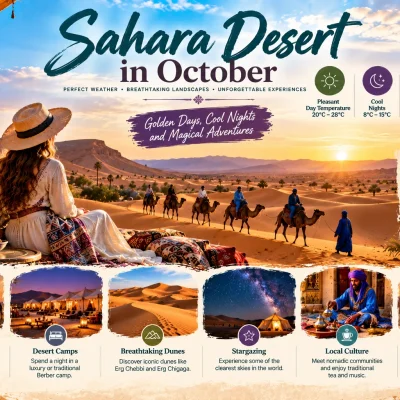
Autumn is generally a favourable season for desert excursions in Morocco. November can offer manageable daytime conditions for exploring the dunes around Merzouga, enjoying a guided 4×4 trip or spending a night in a desert camp.
However, desert temperatures fall after sunset. Warm layers are essential if you plan to stay overnight.
3. Cultural experiences in historic cities
Morocco’s medinas, craft markets, museums and historic buildings are rewarding throughout the year. In November, you can combine sightseeing with Moroccan food, traditional crafts and local cultural experiences.
The pace of travel may feel different from the busiest holiday periods, although popular events and individual destinations can still attract many visitors.
4. Opportunities for a varied itinerary
November allows you to combine cities, desert scenery and the coast in one trip. You might begin in Marrakech, travel south towards the Sahara and finish with a few days in a coastal town.
A good itinerary should allow enough time for travel between destinations instead of attempting to visit every major attraction in a few days.
Morocco Weather in November
The weather in Morocco in November depends on geography, altitude and local conditions. The Atlantic coast, northern cities, inland areas, mountains and Sahara Desert do not share identical weather patterns.
As a general guide, many inland and southern destinations experience mild to warm afternoons and cooler nights. Northern areas can experience more rain, while mountain temperatures fall with increasing elevation.
The following figures are approximate seasonal guidance rather than a forecast for particular dates.
| Destination or region | Typical November conditions | What to expect |
|---|---|---|
| Marrakech | Mild to warm days, cool nights | City sightseeing and medina walks |
| Fes | Mild days, cooler nights | Historic sightseeing; some rain possible |
| Chefchaouen | Cooler and potentially wetter | Mountain scenery and walking |
| Merzouga and the Sahara | Warm days, cold nights | Desert excursions and overnight camps |
| Agadir | Mild, often sunny conditions | Coastal walks and outdoor relaxation |
| Essaouira | Mild but often breezy | Harbour, medina and Atlantic views |
| Atlas Mountains | Cooler at altitude | Hiking conditions vary; cold weather possible |
Marrakech weather in November
Marrakech is a popular choice for November because daytime conditions are often comfortable for exploring the city. You can visit the medina, gardens, historic buildings and souks without dealing with the most intense summer heat.
Evenings can be chilly, particularly on rooftop terraces or during outdoor dining. A light jacket, cardigan or jumper is useful.
Rain is possible, so check the forecast if your sightseeing plans depend on outdoor activities.
Sahara Desert weather in November
The Sahara can be pleasant for daytime excursions, but the difference between daytime and nighttime temperatures is important.
If you are travelling to Merzouga or Erg Chebbi, plan outdoor activities around sunrise and sunset when possible. Bring sunscreen, a hat, water and warm clothing for the evening.
Ask your desert camp what bedding is provided and confirm the arrangements for transfers and excursions.
Coastal weather in November
Agadir and Essaouira offer a different atmosphere from the inland cities. Coastal conditions can be mild, but wind may make it feel cooler.
Agadir is a useful option for travellers interested in a seaside holiday, while Essaouira appeals to visitors who enjoy historic streets, local crafts, seafood and coastal scenery.
Swimming conditions vary, and the Atlantic Ocean can be cool. Check local advice before entering the water.
Atlas Mountains weather in November
Mountain weather becomes increasingly important as autumn progresses. Lower-altitude walks may be possible in suitable conditions, but higher trails can be cold, wet, icy or affected by snow.
If you plan to hike, check the latest forecast and local trail conditions. Bring suitable footwear, warm layers and waterproof protection, and consider a knowledgeable guide for challenging routes.
For more detailed seasonal advice, read our dedicated guide to Morocco weather in November when published.
The Best Places to Visit in Morocco in November
Morocco has a wide variety of destinations, and the best choices depend on your interests, available time and preferred travel style.
1. Marrakech: Culture, Markets and Architecture
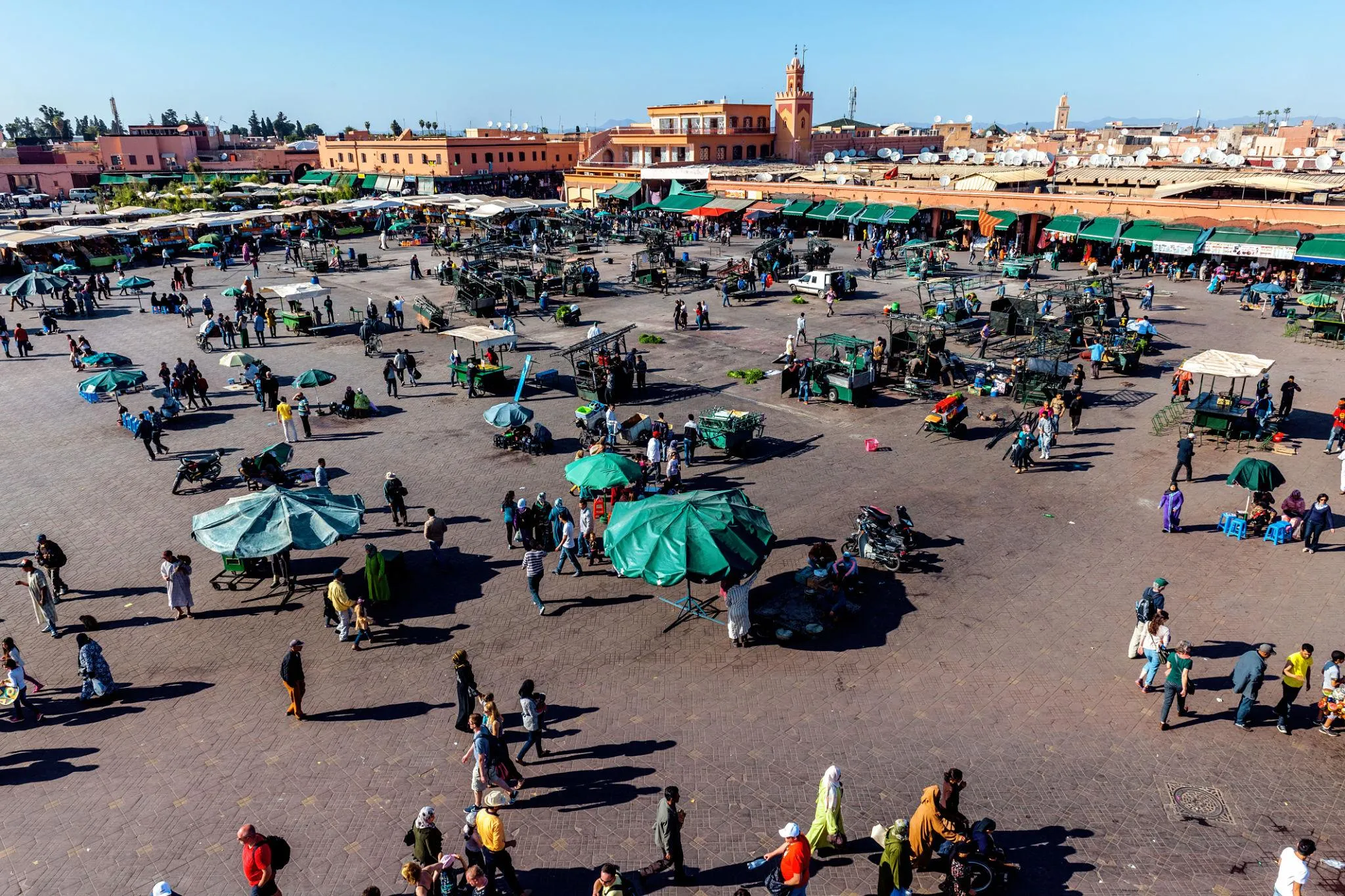
Marrakech is an excellent starting point for a first visit to Morocco. Its historic medina, traditional souks, gardens, restaurants and architectural landmarks provide plenty to explore.
Begin with Jemaa el-Fnaa, the famous central square. The atmosphere changes throughout the day, with food stalls and other activities bringing the area to life in the evening.
Explore the surrounding souks for ceramics, textiles, leather goods, lanterns and traditional crafts. You can also visit historic buildings and gardens, depending on opening times and ticket availability.
November is a useful time to explore on foot, but bring comfortable shoes and an extra layer for evenings.
Best for: First-time visitors, culture, shopping and food.
2. Merzouga and Erg Chebbi: Sahara Desert Adventures
If a desert experience is high on your wish list, consider travelling to Merzouga and the Erg Chebbi dunes.
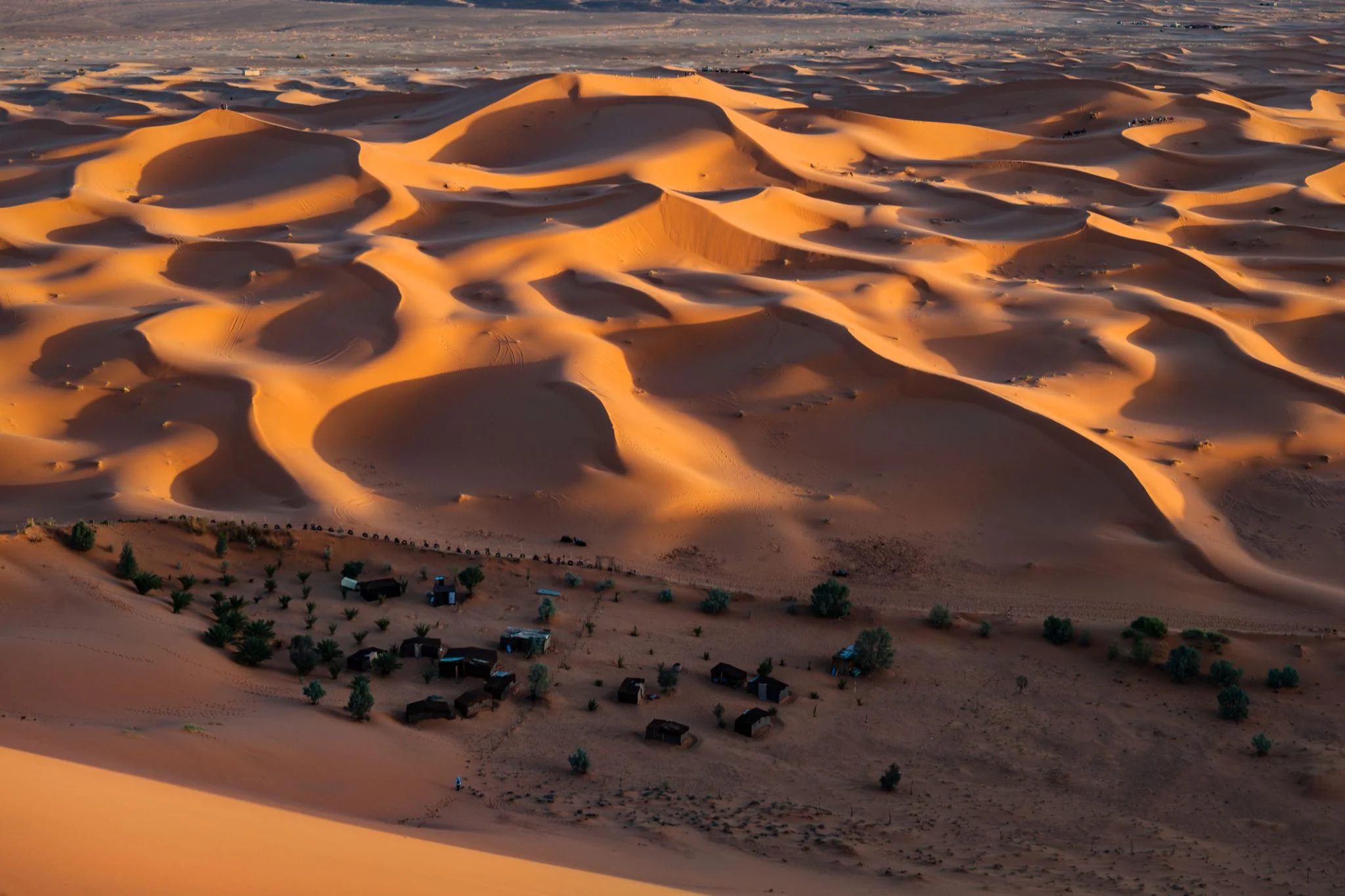
This region is known for its extensive sand dunes, camel excursions, desert camps and opportunities to enjoy sunrise and sunset over the landscape.
An overnight stay allows you to experience the changing light and the desert after dark. Depending on the camp, activities may include guided 4×4 trips, camel trekking and traditional meals.
Plan the journey carefully because Merzouga is far from Marrakech. A multi-day tour with suitable overnight stops is generally more realistic than attempting a quick return trip.
Best for: Desert scenery, photography and outdoor adventure.
3. Fes: Historic Streets and Moroccan Craft Traditions
Fes is an appealing destination for travellers interested in Moroccan history and traditional crafts. Its historic medina contains winding lanes, markets, workshops and architectural landmarks.
A local guide can help you navigate the medina and understand its history. If you explore independently, take your time and keep track of your accommodation’s location.
November can bring cooler conditions and occasional rain, so comfortable walking shoes and a light waterproof layer are useful.
Best for: History, architecture, crafts and cultural exploration.
4. Chefchaouen: The Blue City
Chefchaouen is famous for its blue-painted streets and mountain setting. The town offers opportunities for photography, relaxed walks, small cafés and browsing local shops.
November can feel cooler here than in southern Morocco, and rain is possible. Bring layers and suitable footwear if you plan to explore viewpoints or nearby walking routes.
Chefchaouen is worth considering if you have enough time to travel north. Avoid adding it to a short itinerary without allowing for the journey.
Best for: Photography, mountain scenery and a slower pace.
5. Essaouira: Coastal Charm and Seafood
Essaouira combines a historic medina, old ramparts, an active fishing harbour and an artistic atmosphere.
Spend time wandering through the old town, exploring craft shops, enjoying seafood or walking along the beach. The coastal breeze can be strong, so pack a wind-resistant jacket.
Swimming is not guaranteed to be comfortable in November, but the town remains appealing for sightseeing and coastal walks.
Best for: Coastal scenery, food and relaxed travel.
6. Agadir: Seaside Relaxation
Agadir is a good option for visitors who want a coastal destination with a modern resort atmosphere. Its beach, promenade, restaurants and nearby excursions provide a different experience from Morocco’s historic medinas.
Daytime conditions can be mild and pleasant, but sea temperatures may be cool for some visitors. Check the forecast and local swimming advice before planning beach activities.
Best for: Seaside stays, relaxation and easy-paced holidays.
7. Ouarzazate and Aït Benhaddou
Southern Morocco offers dramatic landscapes and historic earthen architecture. Ouarzazate and the nearby fortified settlement of Aït Benhaddou are popular stops on routes towards the Sahara.
Explore the area respectfully and check access arrangements before visiting particular sites. If you are travelling from Marrakech, allow time for the mountain roads and scenic stops.
These destinations work well as part of a multi-day southern Morocco journey.
Best for: Landscapes, photography and cultural history.
8. The Atlas Mountains
The Atlas Mountains offer dramatic scenery, traditional villages and walking opportunities. November can be suitable for some lower-altitude excursions, but conditions vary significantly with elevation.
For a short visit, consider a guided excursion that matches your fitness and the current weather. For longer hikes, check trail conditions and bring appropriate equipment.
Do not assume that every mountain route is safe or accessible in late autumn.
Best for: Nature, mountain scenery and outdoor activities.
The Best Things to Do in Morocco in November
Once you have chosen your destinations, plan activities that fit the weather and the amount of time available.
Explore a traditional medina
Medinas are central to many Moroccan cities. Their narrow streets contain markets, cafés, workshops and historic buildings.
Explore at a comfortable pace, ask permission before photographing people and agree on prices before purchasing goods or services.
Try Moroccan food
Food is an important part of a Morocco trip. Look for opportunities to try tagine, couscous, harira, fresh bread, mint tea and regional specialities.
A guided food tour or cooking class can introduce you to local ingredients and culinary traditions. Check the details and communicate any allergies or dietary requirements in advance.
Spend a night in the Sahara
An overnight desert camp offers a chance to enjoy the landscape after sunset. Choose a reputable operator, confirm the facilities and bring warm layers for the night.
If you do not want to ride a camel, ask about alternative transfers and activities.
Visit gardens and historic sites
Marrakech and Fes offer a range of gardens, palaces, museums and historic buildings. Check opening hours and ticket requirements before setting out.
If you are travelling during a busy period, consider reserving popular attractions where advance booking is available.
Discover local crafts
Moroccan craft traditions include ceramics, textiles, leatherwork, metalwork and woodwork. Markets and workshops can be interesting places to learn about these skills.
Buy from reputable sellers, ask about materials and care, and consider choosing items that are easy to transport home.
Enjoy a coastal walk
The Atlantic coast offers beautiful scenery, even if it is too cool or windy for swimming. Essaouira and Agadir are useful places to enjoy the sea air, explore the waterfront and sample local seafood.
Check the weather before planning longer walks.
Attend a cultural event
November may include cultural activities and events in Morocco’s cities. For example, the Marrakech International Film Festival is scheduled for 20–28 November 2026, according to its official website.
Check the festival’s official programme and access rules before planning your trip around a particular screening or event. Dates and arrangements should be reconfirmed before making non-refundable bookings.
A Suggested 7-Day Morocco Itinerary for November
A week is enough to experience several highlights, but you will need to choose a focused route.
Day 1: Arrive in Marrakech
Check into your accommodation, explore the nearby streets and visit Jemaa el-Fnaa if time permits. Keep the first day flexible to account for your arrival.
Day 2: Explore Marrakech
Visit the medina, souks and selected historic attractions. Enjoy Moroccan food and leave time for a relaxed evening.
Day 3: Travel towards Aït Benhaddou and Ouarzazate
Cross the High Atlas route towards southern Morocco. Allow time for stops and explore Aït Benhaddou if it fits your schedule.
Day 4: Continue towards Merzouga
Travel through the southern valleys towards the Sahara. This is a substantial driving day, so avoid adding too many extra activities.
Day 5: Enjoy the Sahara Desert
Experience the dunes, choose a guided excursion and spend a night at a desert camp. Bring warm clothing for after sunset.
Day 6: Begin the return journey
Depending on your transport arrangements, travel towards Marrakech with a suitable overnight stop. Breaking up the journey can make the trip more comfortable.
Day 7: Depart or enjoy a final morning
If your flight is from Marrakech, allow enough time to reach the airport. If you have extra days, consider spending them in the city or adding a coastal destination rather than rushing.
This itinerary involves significant travel. If you prefer a relaxed holiday, stay in Marrakech and explore nearby destinations instead of including the Sahara.
A Suggested 10-Day Morocco Itinerary
Ten days allow you to explore more than one region, but geography still matters.
- Days 1–3: Marrakech, including the medina, gardens, food and cultural attractions.
- Days 4–5: Travel through the Atlas and southern Morocco towards the Sahara, with suitable overnight stops.
- Day 6: Enjoy a desert excursion and overnight camp.
- Day 7: Travel towards Fes, allowing for the long journey and an overnight stop if needed.
- Days 8–9: Explore Fes and its historic medina.
- Day 10: Depart from Fes or travel to your departure city if your flights require it.
If you prefer coastal scenery, consider replacing the northern section with Essaouira or Agadir, depending on your transport arrangements.
What to Wear in Morocco in November
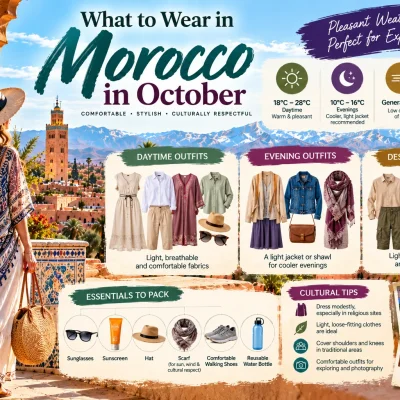
Packing for November means preparing for mild afternoons and cooler mornings and evenings. The right clothing depends on your destinations and activities.
Essential clothing
Bring breathable shirts, comfortable trousers, a jumper or fleece and a lightweight jacket. A waterproof outer layer can be useful if your route includes northern Morocco or the mountains.
Shoes
Comfortable walking shoes are useful for medinas, historic sites and everyday sightseeing. If you plan to hike, choose footwear suited to the terrain and conditions.
Desert clothing
For the Sahara, pack a warm layer for evenings and early mornings, along with a hat, sunglasses and sunscreen for the day. Ask your camp about bedding before deciding whether additional sleeping layers are necessary.
Respectful clothing
In traditional neighbourhoods and villages, many visitors find that clothing covering the shoulders and knees is a comfortable, respectful option. Clothing norms vary by setting, and visitors do not need to wear traditional Moroccan clothing.
For a detailed checklist, see our article on what to wear in Morocco in November when published.
Is Morocco Expensive in November?
Your travel costs depend on accommodation, transport, restaurant choices, guided tours and how many destinations you visit.
November may offer better availability in some places than busier periods, but prices are not guaranteed to be lower everywhere. Major events, weekends and popular properties can still be busy.
Budget travel
Budget travellers can compare guesthouses, hostels, public transport and casual restaurants. Check luggage rules, journey durations and accommodation locations before booking.
Mid-range travel
A mid-range trip might combine comfortable riads or hotels with selected guided excursions and an organised Sahara tour.
Compare the full itinerary and inclusions rather than choosing solely by the advertised price.
Luxury travel
Luxury travellers can consider boutique riads, private drivers, upgraded desert camps and tailored experiences. Confirm exactly what is included and review cancellation conditions.
For any budget, allow for meals, transport, entrance fees, excursions, tips where customary, travel insurance and unexpected expenses.
Important Travel Tips for Morocco in November
Check the weather by destination
Do not rely on a single national forecast. Conditions in Marrakech can be different from those in Chefchaouen, the Atlas Mountains or the Sahara.
Check forecasts for each location shortly before departure.
Book important arrangements ahead
If you have fixed dates or want specific accommodation, reserve early. If you plan to attend a festival or another major event, confirm dates, access requirements and accommodation availability.
Allow enough travel time
Morocco is larger than it may appear on a map. Mountain roads and long desert transfers can take time, and public transport schedules may affect your route.
Avoid scheduling an international flight immediately after a long road journey.
Respect local customs
Ask permission before photographing people, dress appropriately for the setting and be considerate in residential neighbourhoods and religious sites.
Check entry requirements
Review current passport, visa and travel-insurance requirements for your nationality and circumstances. Use official sources before departure.
Keep some flexibility
Rain, transport delays and changing conditions can affect plans. A flexible itinerary gives you room to adjust activities without losing the entire day.
Frequently Asked Questions About Morocco in November
Is November a good month to visit Morocco?
Yes, November can be a good month for sightseeing, cultural experiences and desert travel. Conditions vary by region, so choose your route according to the weather and pack layers for cooler evenings.
Is Morocco hot in November?
Some southern destinations can have warm afternoons, but November is generally cooler than summer. Northern cities, mountain areas and evenings can feel chilly.
Can you visit the Sahara Desert in November?
Yes. November can be suitable for desert excursions, particularly around Merzouga and Erg Chebbi. Days can be warm, but nights may be cold, so bring appropriate clothing and confirm your camp arrangements.
Is Marrakech worth visiting in November?
Marrakech is a useful choice for November because it offers medina sightseeing, historic architecture, gardens, food and shopping. Pack comfortable shoes and a warmer layer for evenings.
Can you swim in Morocco in November?
Swimming depends on the destination, sea temperature, weather and local conditions. Agadir may appeal to travellers seeking a coastal stay, but the Atlantic can be cool. Check local advice before entering the water.
Does it rain in Morocco in November?
Rain is possible, particularly in northern and coastal regions. The south and desert are generally drier, but conditions vary. A compact waterproof layer is useful if you are travelling across several regions.
Is November a good time for hiking in the Atlas Mountains?
Some lower-altitude hikes may be possible, but higher routes can be cold, wet, icy or affected by snow. Check the forecast and trail conditions, and use a qualified guide where appropriate.
How many days do you need in Morocco?
Five days can work for Marrakech and nearby excursions. Seven days can include a southern route if you accept long travel days. Ten to fourteen days allow more flexibility to combine the desert, cities and coast.
What should I pack for Morocco in November?
Pack breathable daytime clothing, warm layers, comfortable walking shoes, a light jacket, sun protection and rain protection suited to your itinerary. Bring warmer clothing for desert nights and mountain areas.
Are there special events in Morocco in November?
There may be cultural events, national holidays and festivals during the month. The Marrakech International Film Festival is scheduled for 20–28 November 2026. Check official sources for current dates, programmes and access requirements before planning around an event.
Final Thoughts: Is Morocco in November Right for You?
Morocco in November offers an appealing mix of historic cities, desert landscapes, mountain scenery and coastal experiences. It can be a particularly good choice for travellers who enjoy exploring on foot and prefer milder daytime conditions to the heat of summer.
The most important consideration is regional variation. Marrakech and the south may offer warm afternoons, while the north can be wetter, the mountains can become cold and the Sahara can have chilly nights.
Choose a realistic route, check the weather before departure and pack layers. Whether you spend your holiday discovering Marrakech, visiting the Sahara, exploring Fes or relaxing on the Atlantic coast, a well-planned November trip can reveal many different sides of Morocco.
Affiliate disclosure: This article may contain affiliate links. Morocco’s Gate may earn a commission from eligible purchases made through these links at no additional cost to you.
AI-generated image disclosure: Some images on this website may be AI-generated or AI-enhanced for illustrative purposes. They may not exactly represent actual locations, weather conditions or travel experiences.