
Best Places to Visit in Morocco in November: 10 Incredible Destinations
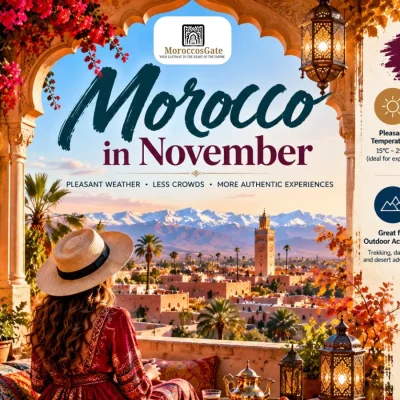
November is an excellent month to discover Morocco’s historic cities, colourful markets, mountain scenery, coastal towns, and dramatic desert landscapes. With summer heat easing in many inland destinations, travellers can spend more time exploring medinas, visiting cultural landmarks, enjoying Moroccan food, and taking scenic road trips. The country’s varied geography also means that November can offer very different experiences, from sunny coastal days to cool mountain evenings.
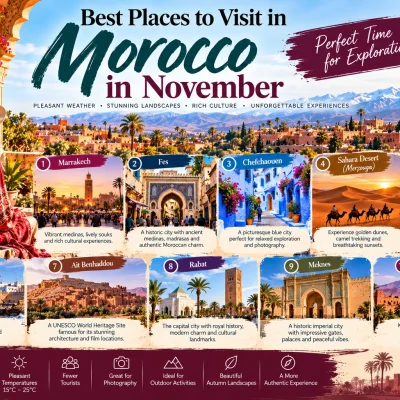
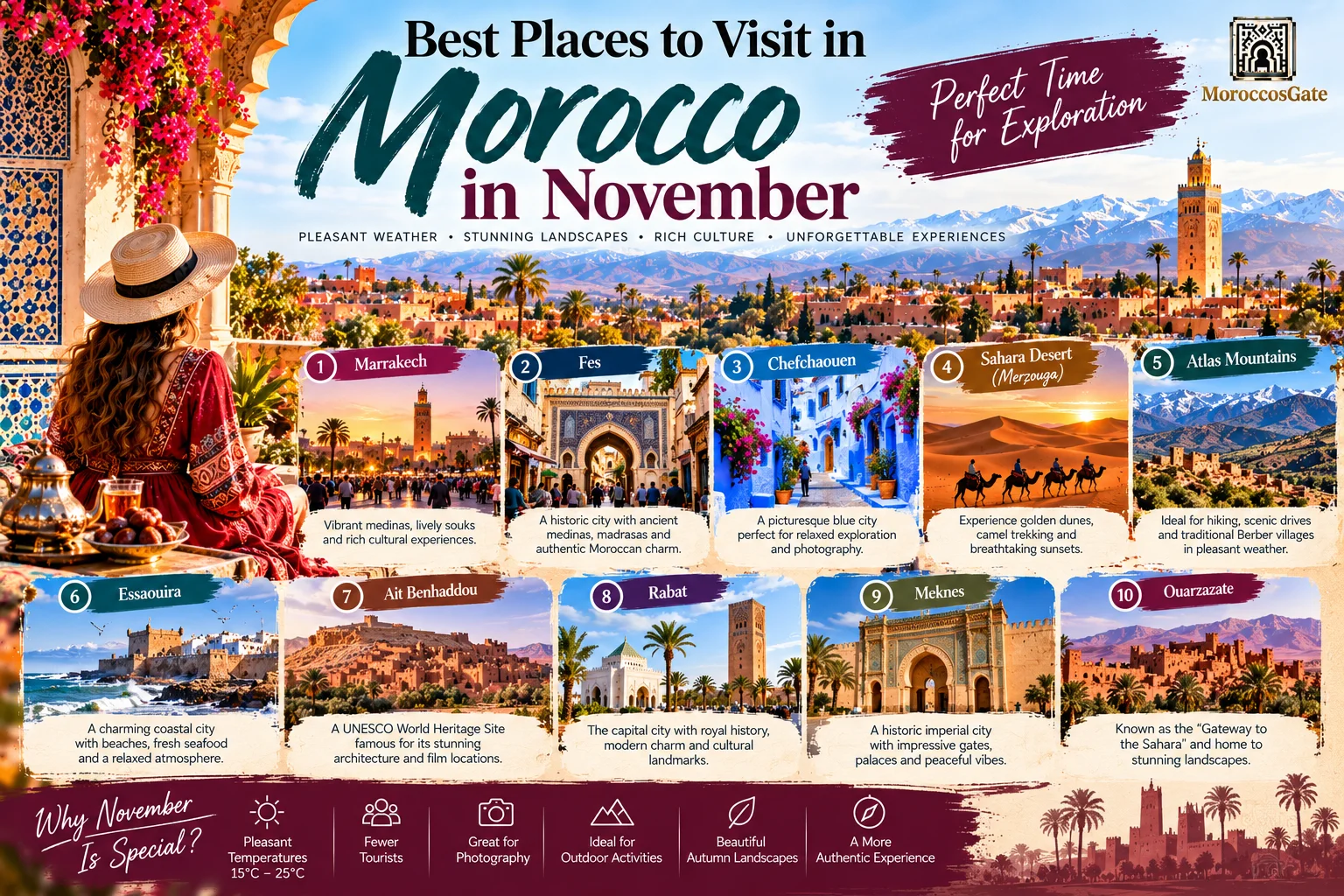
If you are searching for the best places to visit in Morocco in November, you can choose from the lively streets of Marrakech, the historic medina of Fes, the blue-painted lanes of Chefchaouen, the Sahara dunes near Merzouga, and the Atlantic beaches of Essaouira and Agadir.
However, Morocco does not have one uniform climate. Coastal areas, inland cities, mountains, and desert regions experience different conditions, so your destination choices and packing list should reflect the places you plan to visit. The Moroccan National Tourist Office provides an overview of these regional climate differences in its official climate and seasons guide.
This guide covers ten destinations worth considering, the best experiences in each location, practical travel advice, and suggested itineraries to help you plan a memorable November holiday.
Why Visit Morocco in November?
November can be a rewarding time to travel around Morocco, especially if you want a combination of sightseeing, culture, outdoor activities, and relaxation.
1. Comfortable conditions for city sightseeing
In destinations such as Marrakech, daytime conditions are often more comfortable for walking than during the hottest summer months. You can explore historic neighbourhoods, browse souks, visit gardens, and enjoy outdoor cafés without planning every activity around extreme heat.
Temperatures vary from day to day, and evenings can be cool. Northern cities may also experience rain, so check the forecast before travelling.
2. A good season for exploring the Sahara
Autumn is generally a favourable season for visiting southern Morocco and the Sahara region. November can offer pleasant daytime conditions for desert excursions, although temperatures can drop sharply after sunset. The official tourism board identifies spring and autumn as good periods for exploring the desert.
For a desert visit, bring warm clothing, confirm what your camp provides, and book with an operator that explains transport, accommodation, meals, and safety arrangements.
3. Fewer peak-season crowds in some places
November may feel calmer than busier holiday periods at popular attractions. This can make wandering through historic districts, photographing architecture, and enjoying local restaurants more relaxed. Crowd levels still depend on weekends, school holidays, festivals, and specific events.
4. Different landscapes in one trip
Morocco’s greatest advantage is its variety. A single itinerary can combine imperial cities, blue mountain towns, ancient fortified villages, beaches, valleys, and desert scenery. You do not need to choose between culture and nature.
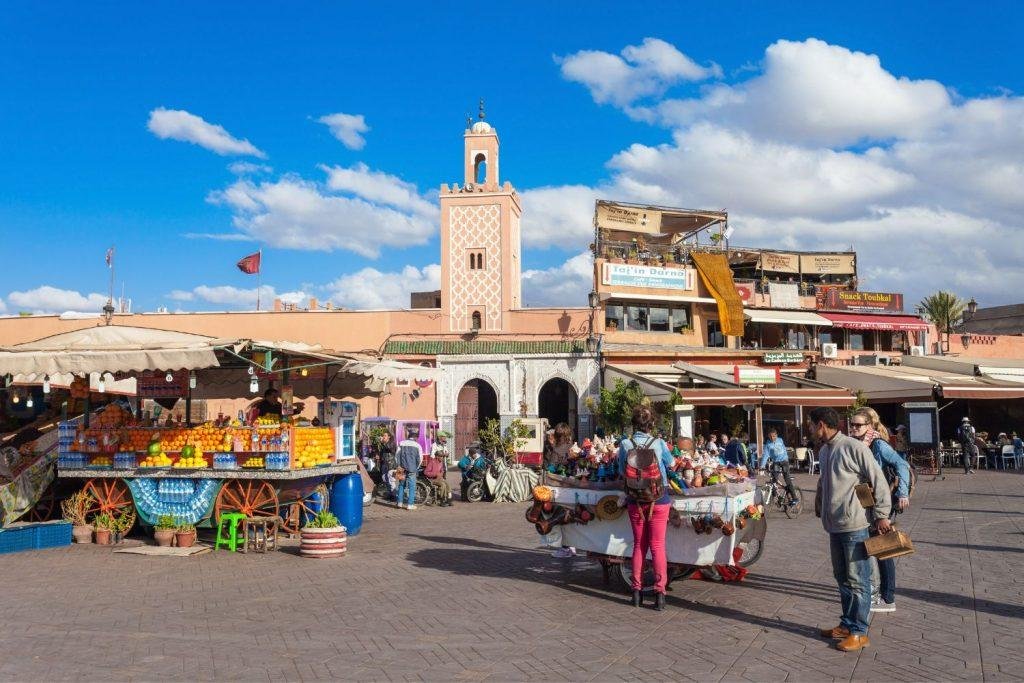
1. Marrakech: The Best All-Round Destination
Marrakech is one of the strongest choices for a first visit to Morocco in November. Its historic medina, traditional architecture, gardens, restaurants, and lively public squares offer a broad introduction to Moroccan culture.
The city is particularly rewarding when you have time to explore on foot and balance major attractions with slower moments in cafés and traditional courtyards.
Top things to do in Marrakech
Explore Jemaa el-Fnaa. This famous central square changes character throughout the day. Visit during daylight to see the surrounding market streets, then return in the evening for the atmosphere and food stalls. Keep an eye on your belongings and agree on prices before accepting paid services.
Get lost in the souks. The medina’s market lanes are known for leather goods, textiles, ceramics, metalwork, lamps, and spices. Browse patiently, compare prices, and ask permission before photographing shopkeepers or artisans.
Visit Jardin Majorelle. This landscaped garden is a popular stop for its striking architecture and plant collections. Check current entry arrangements and book ahead if required, especially during busy periods.
Discover Bahia Palace. Explore decorative tilework, courtyards, painted ceilings, and traditional design. Visiting earlier in the day can help you avoid some of the busiest periods.
Enjoy Moroccan cuisine. Try dishes such as tagine, couscous, harira, and freshly baked bread. Mint tea is a familiar part of the hospitality experience. If you have dietary requirements, communicate them clearly when ordering.
Why visit Marrakech in November?
Milder daytime weather often makes outdoor sightseeing more enjoyable than during the hottest part of the year. November is also a practical time to use Marrakech as a base for day trips to the Atlas Mountains, the Agafay area, or southern Morocco.
Recommended stay: 2–3 nights.
Best for: First-time visitors, food lovers, shopping, culture, gardens, and day trips.
2. Fes: The Best Destination for History and Heritage
Fes is one of Morocco’s most compelling cities for travellers interested in history, craftsmanship, and traditional urban life. Its ancient medina contains narrow lanes, historic buildings, workshops, markets, and places of religious and educational significance.
Compared with Marrakech, Fes can feel more focused on heritage and everyday craft traditions. It is an excellent addition to an itinerary for anyone who wants to understand the country’s historic cities beyond their most famous landmarks.
What to see in Fes
Explore Fes el-Bali. The old medina is the main attraction. Its winding streets can be confusing, so consider hiring a reputable local guide for an introduction to its history and layout.
See traditional craft workshops. Fes is known for ceramics, carved wood, metalwork, leather goods, and other crafts. Visit respectfully, and ask before taking photographs in workshops.
Visit historic religious and educational architecture. The city has important historic institutions and richly decorated buildings. Access rules vary, and some religious spaces are not open to non-Muslim visitors. Check current visitor information rather than assuming every site can be entered.
Sample local food. Look for traditional Moroccan dishes, seasonal soups, pastries, and regional specialities. Choose busy establishments with good food-handling practices.
What is Fes like in November?
Fes is often cooler than Marrakech and may experience more rain. Pack a warm layer and a compact waterproof jacket. Comfortable shoes with good grip are useful for walking on uneven medina streets.
Recommended stay: 2 nights.
Best for: History, architecture, traditional crafts, guided cultural tours, and food.
3. Chefchaouen: The Blue Pearl of the Rif Mountains
Chefchaouen is famous for its blue-painted walls, mountain backdrop, quiet lanes, and photogenic doorways. It is a lovely destination for travellers who enjoy walking, photography, relaxed cafés, and a slower pace.
The town is in northern Morocco, where November conditions can be cooler and wetter than in the south. The surrounding Rif Mountains also mean that the weather can change quickly.
Best things to do in Chefchaouen
Walk through the blue medina. Explore the painted streets in the morning, when the light is often softer and the lanes may be quieter. Take your time rather than treating the town as a quick photo stop.
Visit Plaza Uta el-Hammam. This central square is a convenient place to pause for tea or a meal and observe the town’s daily rhythm.
Explore the Kasbah area. The historic complex and its surroundings offer a glimpse into the town’s past. Confirm opening hours and access before your visit.
Enjoy the mountain scenery. If conditions are suitable, explore nearby walking routes or viewpoints. Ask locally about trail conditions after rain and avoid setting out on unfamiliar mountain routes without suitable preparation.
Is Chefchaouen worth visiting in November?
Yes, if you enjoy peaceful scenery and cultural exploration. The trade-off is the possibility of rain, cooler evenings, and mist. Bring layers and waterproof footwear, and allow flexibility in your schedule.
Recommended stay: 1–2 nights.
Best for: Photography, couples, relaxed travel, architecture, and mountain scenery.
4. Merzouga and Erg Chebbi: The Best Sahara Desert Experience
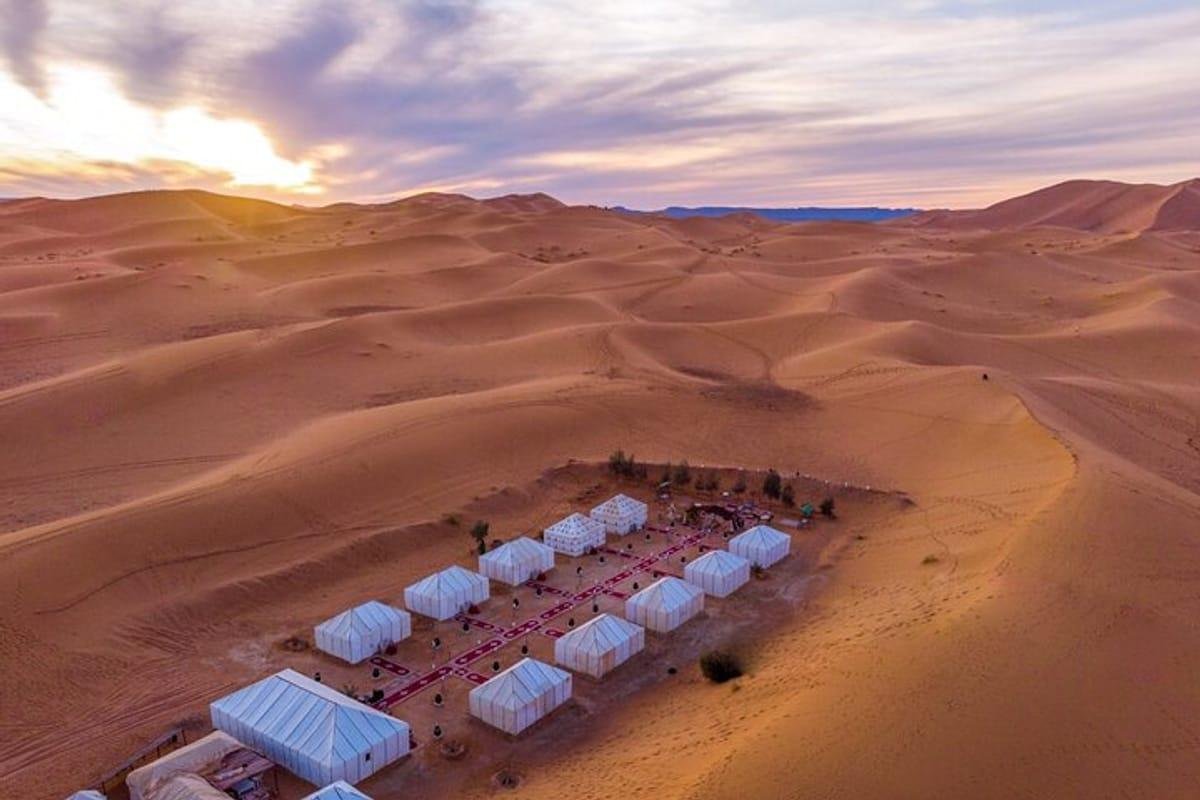
For many travellers, the Sahara is the highlight of a Moroccan holiday. Merzouga is a popular gateway to the Erg Chebbi dunes, where towering sand formations create a striking landscape of shifting colours and long shadows.
November can be a good time for a desert trip because daytime conditions are often more manageable than in summer. Nights, however, can be cold, and wind or weather may affect excursions.
Best desert experiences
Watch the sunrise or sunset. The changing light across the dunes is one of the region’s most memorable sights. Follow your guide’s advice about timing and safe routes.
Book an overnight desert camp. An overnight stay allows you to experience the landscape after dark and see the stars when skies are clear. Before booking, ask about private bathrooms, heating or extra blankets, meals, transfers, and the exact camp location.
Try a camel excursion. A guided camel ride is a traditional way to experience the dunes. Choose a responsible operator that treats animals appropriately and explains the duration and physical requirements of the trip.
Explore the region with a local guide. A guide can explain local landscapes, customs, and the practicalities of desert travel. Avoid driving into remote sandy terrain without the right vehicle, experience, and local guidance.
What should you know before visiting the Sahara?
Daytime warmth can be misleading because temperatures may fall considerably at night. Pack a fleece or insulated jacket, long trousers, closed shoes, and warm sleepwear. Keep drinking water available, protect yourself from the sun, and bring a scarf or other protection against windblown sand.
The journey to Merzouga can be long, particularly from Marrakech. Many travellers prefer to break it up with stops around Ouarzazate, the Dades Valley, or other southern destinations rather than rushing through in one day.
Recommended stay: 1–2 nights in the desert, plus travel time.
Best for: Landscapes, photography, stargazing, guided excursions, and adventure.
5. Essaouira: The Best Coastal Town for Relaxation
Essaouira is an atmospheric Atlantic port city known for its historic ramparts, whitewashed buildings, blue accents, fishing harbour, and creative character. It is a good choice if you want a coastal break without building your entire trip around swimming.
What to do in Essaouira
Walk along the historic ramparts. The fortified walls offer views of the Atlantic and the city’s historic architecture. Be cautious in windy conditions and follow local safety guidance.
Visit the fishing harbour. Watch the boats and harbour activity, and look for restaurants serving freshly prepared seafood. Ask about prices and preparation before ordering.
Explore the medina. Essaouira’s old town is well suited to relaxed wandering. Browse local crafts, galleries, textiles, and small shops.
Enjoy the beach. Take a long walk along the sand, watch surfers and kitesurfers, or simply enjoy the ocean scenery. November can be breezy, so swimming may not suit everyone.
Try local food. Seafood is a popular choice, alongside Moroccan staples such as tagine and salads. If you have allergies, confirm ingredients and cross-contamination risks.
Why visit Essaouira in November?
The coastal atmosphere can be appealing throughout the year, but expect wind and occasional rain rather than guaranteed beach weather. A light windproof layer is useful, even when the sun is shining.
Recommended stay: 1–2 nights.
Best for: Coastal scenery, seafood, art, relaxed sightseeing, and ocean walks.
6. Agadir: A Strong Choice for Autumn Sunshine
Agadir is a modern seaside destination on Morocco’s Atlantic coast. It offers a long beach, a waterfront promenade, restaurants, resorts, and access to nearby coastal communities. It is worth considering if your priority is a relaxed stay with a better chance of mild coastal weather.
The Moroccan National Tourist Office highlights Agadir and the wider Atlantic coast for their generally mild coastal climate. Nevertheless, November weather can vary, and ocean water may feel cool.
Things to do in Agadir
Relax on Agadir Beach. Walk along the shoreline, sit at a café, or enjoy the open views. Follow local flags and lifeguard advice before entering the sea.
Visit the hilltop kasbah area. The elevated viewpoint offers broad views over the city and bay. Check transport and access arrangements before going.
Explore local markets. Visit a souk to browse produce, spices, textiles, and crafts. Ask permission before photographing people and agree on prices when bargaining.
Take a coastal excursion. Depending on your interests and transport, consider exploring nearby coastal communities such as Taghazout. Conditions may suit surfing or watching surfers, but activities depend on weather and operator guidance.
Who should visit Agadir?
Agadir is particularly suitable for travellers who want a beach-oriented holiday, resort accommodation, easy dining options, or a few restful days after touring inland Morocco.
Recommended stay: 2–3 nights.
Best for: Beach walks, resort stays, coastal scenery, surfing culture, and relaxation.
7. Ouarzazate and Aït Benhaddou: The Best Stops for Desert Road Trips
Ouarzazate and the nearby ksar of Aït Benhaddou are excellent additions to a southern Morocco road trip. This region is known for desert-edge scenery, fortified earthen architecture, mountain routes, and film-related history.
Aït Benhaddou is a historic fortified settlement that provides an impressive example of traditional earthen construction. Its buildings and surrounding landscape are particularly striking in soft morning or late-afternoon light.
What to see and do
Explore Aït Benhaddou. Walk through the settlement with respect for residents and protected structures. Wear shoes suitable for uneven paths and check whether any routes are closed.
Discover Ouarzazate. Use the town as a base for exploring the surrounding area, local architecture, and film-related attractions. Check opening times for studios and museums before travelling.
Enjoy the journey through southern Morocco. Depending on your route, you may pass mountain scenery, valleys, kasbahs, and small towns. Plan stops carefully and avoid trying to cover too much distance in a single day.
Learn about traditional architecture. Local guides can help explain the construction techniques, history, and maintenance challenges of earthen buildings.
Why visit in November?
The cooler season can make sightseeing and road trips more comfortable than in summer. However, mountain passes and rural roads may be affected by rain, snow at higher elevations, or other changing conditions. Check road updates and allow extra travel time.
Recommended stay: 1–2 nights, depending on your route.
Best for: Architecture, photography, film history, and scenic drives.
8. The Atlas Mountains and Imlil: The Best Destination for Mountain Scenery
The Atlas Mountains provide a dramatic contrast to Morocco’s cities and desert. Around Imlil, visitors can explore mountain villages, terraced landscapes, walking routes, and views towards the High Atlas.
November is a transition period, so conditions depend heavily on altitude and weather. Lower-elevation walks may be pleasant on suitable days, while higher routes can be cold, snowy, icy, or unsafe.
Best mountain activities
Take a guided village walk. A local guide can help you understand the landscape, farming traditions, and village life while choosing a route appropriate for the day’s conditions.
Enjoy mountain views. You do not need to attempt a demanding summit to appreciate the scenery. Shorter walks and viewpoints can offer rewarding experiences.
Stay in a mountain guesthouse. An overnight stay can provide a different perspective on rural Morocco. Ask about heating, hot water, road access, and transport before booking.
Try local food. Meals in the mountain region may include tagine, bread, soups, and seasonal produce. Ask your host about local dishes.
Important November safety advice
Check the forecast before hiking and ask local guides about trail conditions. Bring warm layers, waterproof clothing, and shoes with good grip. Avoid exposed or high-altitude routes if conditions are unsuitable, and do not assume a route is safe simply because it appears on a map.
Recommended stay: 1–2 nights.
Best for: Nature, walking, mountain views, rural culture, and quieter escapes.
9. Rabat: The Best Destination for a Calm Cultural City Break
Rabat, Morocco’s capital, combines historic sites, broad avenues, coastal views, museums, and everyday urban life. It can be a good option for travellers who prefer a less hectic city experience or want to explore the country’s modern administrative centre alongside its heritage.
Places to explore in Rabat
Visit the Kasbah of the Udayas. Wander through the historic area and enjoy views towards the river and Atlantic coastline.
See Hassan Tower and the Mausoleum of Mohammed V. These prominent landmarks are important stops for visitors interested in Moroccan history and architecture. Check access rules and opening times before visiting.
Explore the medina. Rabat’s old town offers shops, cafés, and a glimpse of daily life without requiring a packed schedule.
Walk along the coast. Weather permitting, enjoy the ocean air and views. A waterproof layer is useful because Atlantic weather can change.
Is Rabat worth visiting in November?
Yes, particularly if you are interested in architecture, history, and a more measured pace. Because it is farther north, conditions can be cooler and wetter than in southern destinations.
Recommended stay: 1–2 nights.
Best for: History, architecture, museums, coastal walks, and a relaxed city break.
10. Casablanca: The Best Destination for Modern Morocco and Architecture
Casablanca is Morocco’s largest city and a major economic centre. It may not have the same traditional medina atmosphere as Fes or Marrakech, but it offers modern city life, Art Deco architecture, shopping, restaurants, and important coastal landmarks.
It is also a practical arrival or departure point for some itineraries, depending on flight arrangements.
What to see in Casablanca
Visit Hassan II Mosque. This major landmark is known for its impressive scale and location beside the Atlantic. Visitor access, tour schedules, and dress requirements can change, so check official information before going.
Explore the city centre. Look for historic façades and Art Deco influences, and consider a guided architectural walk if you want context.
Enjoy the waterfront. The coastal promenade is a place to walk, eat, and watch the ocean. Conditions can be breezy, particularly in the evening.
Try the city’s food scene. Casablanca offers a wide range of cafés and restaurants, from traditional Moroccan cooking to international cuisine.
How long should you stay?
One or two nights may be sufficient for many visitors, although the city can reward a longer stay if you enjoy urban culture and architecture.
Best for: Architecture, urban life, dining, and convenient transport connections.
More Places to Consider in November
If you have extra time, consider adding Meknes for historic architecture, Tangier for its Mediterranean and Atlantic influences, or the Dades Valley for scenic drives and unusual rock formations. Agadir and Taghazout are useful options for travellers prioritising the coast, while the Ouarzazate–Zagora region can appeal to those interested in southern landscapes.
Choose additional stops according to travel time rather than trying to visit every destination. Distances on a map can be misleading when roads cross mountains or when you want to stop along the way.
Best Places to Visit in Morocco in November by Travel Style
| Travel style | Recommended destination | Why it suits you |
|---|---|---|
| First visit to Morocco | Marrakech | A broad mix of culture, food, markets, and day trips |
| History and architecture | Fes | Historic medina and traditional crafts |
| Photography and atmosphere | Chefchaouen | Blue lanes and Rif Mountain scenery |
| Desert adventure | Merzouga and Erg Chebbi | Dunes, guided excursions, and overnight camps |
| Beach and relaxation | Agadir | Coastal stays and a long beach |
| Coastal culture | Essaouira | Harbour, ramparts, seafood, and medina |
| Mountain scenery | Imlil and the Atlas Mountains | Village walks and dramatic views |
| Historic road trip | Aït Benhaddou and Ouarzazate | Fortified architecture and southern landscapes |
| Calm city break | Rabat | Heritage, museums, and coastal views |
| Modern urban experience | Casablanca | Architecture, dining, and transport connections |
What Is the Weather Like in Morocco in November?
November is generally an autumn month, but conditions vary considerably across Morocco. Coastal cities often have relatively mild conditions, inland cities can have warm afternoons and cool evenings, and mountain areas become colder with increasing altitude. The Sahara can be comfortable during the day but chilly after dark.
Treat any temperature figures in travel guides as averages rather than a forecast for your exact dates. Check local forecasts shortly before departure.
Here is a broad planning overview:
- Marrakech: Often mild and suitable for city sightseeing, with cooler evenings.
- Fes and Chefchaouen: Cooler conditions are possible, with a greater chance of rain in the north.
- Merzouga and the Sahara: Daytime excursions may be pleasant, but nights can be cold.
- Essaouira and Agadir: Coastal conditions are often mild, although wind and rain are possible.
- Atlas Mountains: Temperatures drop with altitude; snow or icy conditions may affect higher routes.
- Rabat and Casablanca: Coastal weather can be variable, so pack layers and a light waterproof jacket.
For more detailed seasonal planning, read the official Morocco climate guide.
Suggested 7-Day Morocco Itinerary for November
If you have one week, prioritise a small number of destinations rather than trying to see the whole country.
Days 1–2: Marrakech
Explore the medina, Jemaa el-Fnaa, traditional markets, gardens, and historic architecture. Leave room for a relaxed meal and a little unplanned wandering.
Day 3: Aït Benhaddou and Ouarzazate
Travel south with a reputable driver or organised tour. Explore the fortified settlement and stay overnight if you want to avoid rushing the journey.
Days 4–5: Merzouga and the Sahara
Continue towards the desert region, allowing sufficient travel time. Enjoy a guided dune excursion and, if conditions and your preferences allow, spend a night in a desert camp.
Day 6: Return towards Marrakech or continue to another planned stop
The return journey can be long. Break it up if possible, and confirm the road route and driving time before departure.
Day 7: Marrakech and departure
Use your final day for shopping, a museum, or a relaxed breakfast, depending on your departure time.
This itinerary involves substantial driving. If you prefer a slower holiday, spend the week between Marrakech, Essaouira, and the Atlas foothills instead of adding the Sahara.
Suggested 10-Day Morocco Itinerary for November
A ten-day trip gives you more flexibility.
- Days 1–3: Marrakech, including a garden, the medina, and local food experiences.
- Days 4–5: Ouarzazate and Aït Benhaddou, with scenic stops along the route.
- Days 6–7: Merzouga and the Sahara, including a guided excursion and an overnight stay if desired.
- Day 8: Travel towards Fes or return along your chosen route, depending on transport and road conditions.
- Day 9: Explore Fes’s medina, historic architecture, and craft traditions.
- Day 10: Depart from a suitable airport or add a night if your transport schedule requires it.
This is an ambitious route. Check the actual driving times and one-way transport options before booking accommodation. If you want to include Chefchaouen, Essaouira, or Agadir as well, consider adding days instead of squeezing every destination into ten days.
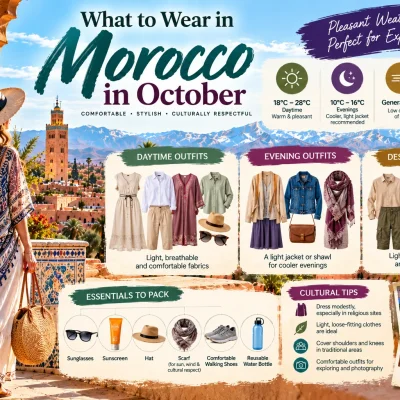
What to Pack for Morocco in November
Packing depends on your itinerary, but layers are essential because daytime and nighttime conditions can be very different.
- Lightweight tops and comfortable trousers for daytime sightseeing.
- A fleece, cardigan, or light insulated jacket for evenings.
- A waterproof jacket, especially for northern cities and mountain areas.
- Comfortable closed-toe walking shoes with good grip.
- A scarf or light wrap for sun, wind, and cultural visits.
- Sun protection, sunglasses, and a reusable water bottle.
- Warmer sleepwear and an extra layer for desert camps.
- Any personal medication and essential travel documents.
Choose respectful clothing for religious sites and local communities. Requirements differ by venue, so check site-specific rules before visiting.
Practical Travel Tips for Morocco in November
Book important travel arrangements in advance
Reserve accommodation and long-distance transport for the dates you need. If you are planning a desert camp, a guided hike, or a popular attraction, check availability and cancellation terms before paying.
Plan around shorter daylight hours
Daylight is shorter than in summer. Start longer excursions early and avoid leaving unfamiliar mountain or desert routes until late in the day.
Allow enough time between destinations
Morocco’s roads connect very different landscapes, but mountain routes and rural roads can make journeys longer than expected. Add time for stops, meals, and possible delays.
Respect local customs
Ask permission before photographing people, dress appropriately for religious sites, and be considerate when visiting residential areas. If you hire a guide, confirm the price and what the tour includes before it begins.
Check transport and weather updates
Rain can affect roads, and high mountain areas may experience snow or ice. Check local information before travelling to remote regions, and follow official advice if conditions deteriorate.
Use trusted tour operators
For desert travel, hiking, and remote excursions, choose operators who explain the route, inclusions, safety arrangements, and emergency procedures. Read the terms carefully and confirm whether meals, transfers, entrance fees, and equipment are included.
Frequently Asked Questions
What are the best places to visit in Morocco in November?
Marrakech, Fes, Chefchaouen, Merzouga, Essaouira, Agadir, Ouarzazate, Aït Benhaddou, the Atlas Mountains, Rabat, and Casablanca are all worth considering. The best choice depends on whether you prefer cities, history, beaches, mountains, or desert scenery.
Is November a good time to visit Morocco?
November can be a good time to visit because many inland destinations have more comfortable daytime conditions than in summer. However, weather varies by region, and northern areas and mountain routes can be cooler or wetter. Plan around the places you intend to visit.
Can I visit the Sahara Desert in November?
Yes. November is often suitable for a Sahara excursion, but desert nights can be cold. Book a reputable operator, bring warm layers, and allow enough time for the journey.
Is Marrakech worth visiting in November?
Yes. Marrakech offers historic markets, gardens, architecture, restaurants, and day trips. The weather is often suitable for walking, although evenings can be cool and occasional rain is possible.
Can I visit the Atlas Mountains in November?
Yes, but conditions depend on altitude and weather. Lower-level walks may be possible, while high-altitude trails can be cold, snowy, or unsafe. Check local conditions and consider a qualified guide.
Is Morocco warm enough for a beach holiday in November?
Coastal destinations such as Agadir can offer mild weather and opportunities for beach walks. However, sea temperatures may feel cool, and wind or rain is possible. Choose accommodation and activities that do not depend entirely on swimming.
How many days do I need to visit Morocco?
Seven days can work for a focused itinerary, while ten to fourteen days provide more time to combine several regions. Morocco is larger than it may appear on a map, so avoid packing too many long drives into a short visit.
What should I wear in Morocco in November?
Pack comfortable daytime clothing, a warm layer for evenings, closed walking shoes, and a light waterproof jacket. Add warmer clothing if you are visiting the Sahara overnight or travelling into the Atlas Mountains.
Which part of Morocco is best for November sunshine?
The south and Atlantic coast are often good options for mild conditions, but sunshine is never guaranteed. Agadir is worth considering for a coastal stay, while Marrakech and the Sahara region can offer appealing daytime sightseeing conditions. Check the forecast for your travel dates.
Is Chefchaouen worth visiting in November?
Yes, especially for its blue medina, mountain setting, and relaxed atmosphere. Expect the possibility of cooler, wetter conditions than in southern Morocco and pack accordingly.
Final Thoughts: Where Should You Go in Morocco in November?
The best places to visit in Morocco in November depend on the kind of holiday you want. Choose Marrakech for a classic first visit, Fes for history and traditional crafts, Chefchaouen for blue-painted streets and mountain scenery, and Merzouga for the Sahara. Essaouira and Agadir are strong coastal options, while Ouarzazate, Aït Benhaddou, and the Atlas Mountains offer dramatic landscapes and memorable road trips.
For a first trip, combine two or three destinations that work well together instead of rushing across the country. Check weather forecasts, allow enough time for transport, and pack for cool evenings even if the days are sunny.
With a thoughtful itinerary, November can be a rewarding time to experience Morocco’s diverse landscapes, cultural heritage, food, and hospitality.
Affiliate Disclosure: Some links in this article may be affiliate links. If you book or purchase through them, Morocco’s Gate may earn a commission at no additional cost to you. We aim to recommend relevant travel resources, but readers should review the terms and suitability of each service before booking.
AI-Generated Image Disclaimer: Some images used in this article may be AI-generated or AI-enhanced for illustrative purposes. They may not exactly represent actual locations, weather conditions, buildings, or experiences.