
Disclosure: This post contains affiliate links. If you book a flight, hotel, or tour through our partner links, we may earn a small commission at no extra cost to you. MoroccosGate provides these deals via our partner portal deals.moroccosgate.com to help you find the best value for your journey. We do not charge users any fees; our revenue comes solely from our travel partners.
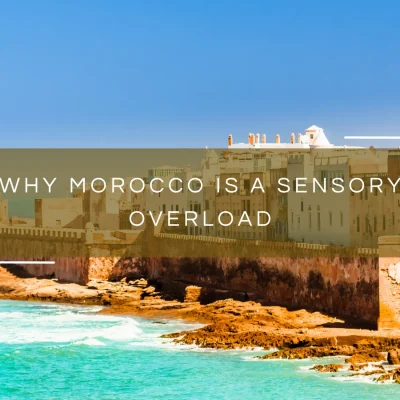
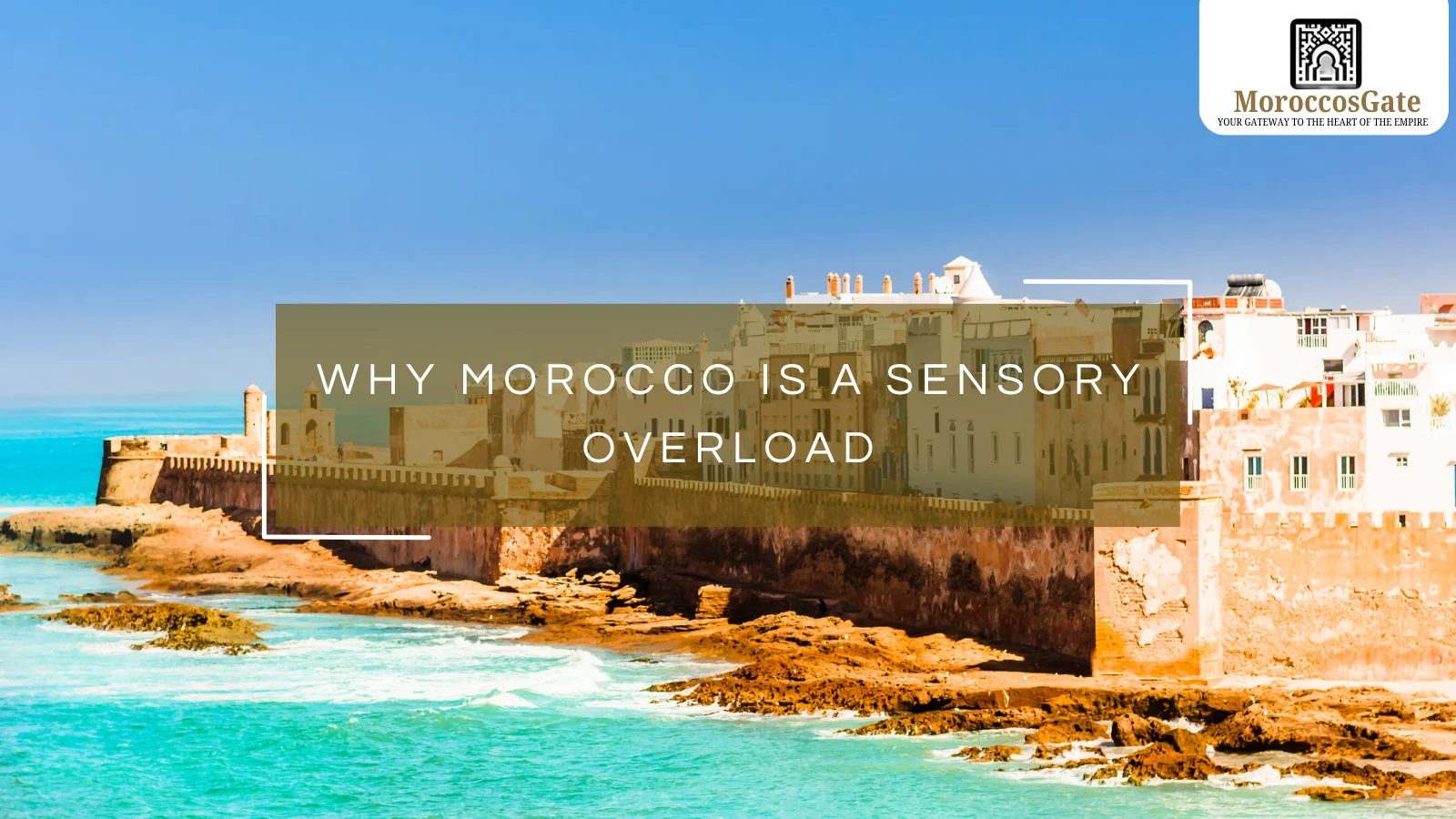
Why Morocco is a Sensory Overload (And Why You Need a Plan)
Morocco is a land where ancient traditions meet modern vibrancy. From the echoing call to prayer in Fes to the silent majesty of the Sahara, it is a destination that rewards the prepared traveler. If you are feeling overwhelmed, don’t worry—these 15 essential Morocco travel tips every first-timer should know will turn your potential culture shock into a seamless adventure.
1. Plan Your Trip Around the Best Time to Visit Morocco
Timing is everything when visiting Morocco.
Best seasons:
- Spring (March–May) → Ideal weather
- Fall (September–November) → Perfect for sightseeing
Avoid:
- Peak summer (extreme heat in desert regions)
- Ramadan (limited services during the day)
Travel Tip: Shoulder seasons offer fewer crowds and better deals.
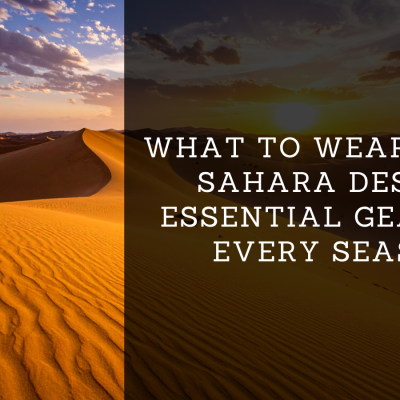
2. Pack Smart for Morocco’s Diverse Climate
Morocco has multiple climates—from coastal breezes to desert heat.
Essentials:
- Lightweight breathable clothes
- A scarf (for sun & cultural respect)
- Comfortable walking shoes
- Sunscreen & sunglasses
If heading to the Sahara, nights can be cold—pack layers.
3. Respect Moroccan Culture and Dress Modestly
Morocco is a Muslim-majority country with conservative traditions.
What to wear:
- Cover shoulders and knees
- Avoid revealing clothing
- Loose-fitting outfits are best
This helps you blend in and avoid unwanted attention.
4. Always Carry Cash (Dirhams)
Morocco is still largely a cash-based economy.
Important tips:
- Use ATMs in cities
- Carry small bills for taxis & markets
- Many places don’t accept cards
5. Learn the Art of Bargaining
Bargaining is part of Moroccan culture—especially in souks.
Tips:
- Start at 50% of asking price
- Stay polite and smile
- Be ready to walk away
Think of it as a friendly negotiation, not conflict.
6. Be Careful with Taxis
Taxis are common but can be tricky.
Key tips:
- Always ask for the meter (“use the meter”)
- Agree on price beforehand if no meter
- Use official taxis only
7. Don’t Rely Fully on Google Maps in Medinas
Morocco’s old cities (medinas) are maze-like.
Advice:
- Expect to get lost (it’s part of the experience!)
- Use offline maps
- Hire a local guide if needed
8. Be Cautious with Street Food
Moroccan food is delicious—but choose wisely.
Safe choices:
- Busy food stalls
- Freshly cooked meals
Avoid:
- Food sitting out too long
- Tap water (stick to bottled)
9. Prepare for the Sahara Desert Experience
A Sahara trip is unforgettable—but requires planning.
Must-know tips:
- Book through trusted providers
- Pack warm clothes
- Bring cash for tips
You can explore curated Sahara tours on your deals platform:
👉 deals.moroccosgate.com
10. Stay in Riads for an Authentic Experience
Riads are traditional Moroccan homes turned into boutique hotels.
Why choose riads:
- Authentic architecture
- Personalized service
- Central locations in medinas
You can find curated riad and hotel deals here:
👉 deals.moroccosgate.com
11. Get a Local SIM Card
Stay connected easily with a Moroccan SIM.
Benefits:
- Cheap data
- Easy navigation
- Booking assistance
Providers: Maroc Telecom, Orange, Inwi
12. Is Morocco Safe for Tourists?
Yes—Morocco is generally safe.
Be aware of:
- Pickpocketing in crowded areas
- Tourist scams
- Overfriendly strangers offering help
Use common sense and stay alert.
13. Plan a Realistic Itinerary
Morocco is bigger than you think.
Common mistake:
- Trying to do too much in a short time
Ideal:
- 7–10 days for first visit
- Focus on 2–3 regions
14. Always Ask Before Taking Photos
Taking photos of people without permission is considered disrespectful.
Tips:
- Ask politely
- Tip if required
- Avoid photographing officials
15. Understand Moroccan Hospitality
Moroccans are incredibly welcoming.
Expect:
- Invitations for tea
- Friendly conversations
Accept kindness—but stay cautious of hidden sales intentions.
Bonus Tips for First-Time Travelers
- Learn basic French or Arabic phrases
- Avoid drinking tap water
- Start your day early
- Keep travel insurance
Detailed Packing List: What to Pack for Each Season in Morocco
| Season | Weather Overview | What to Pack | Pro Tips |
|---|---|---|---|
| Spring (March–May) | Mild, pleasant, blooming landscapes | Lightweight clothing, long-sleeve shirts, light jacket, scarf, comfortable walking shoes, sunglasses, sunscreen | Spring is one of the best times to visit Morocco. Pack layers to adjust to temperature changes between day and night. |
| Summer (June–August) | Hot, especially inland & desert (can exceed 40°C) | Breathable fabrics (cotton/linen), loose clothing, wide-brim hat, sunscreen (SPF 50), reusable water bottle, sandals | Avoid tight or synthetic clothes. Stay hydrated and plan outdoor activities early morning or evening. |
| Autumn (September–November) | Warm days, cooler nights | Light layers, long pants, t-shirts, light jacket, scarf, walking shoes | Ideal for travel. Evenings can get chilly, especially in desert regions—carry a light sweater. |
| Winter (December–February) | Cool, can be cold in mountains/desert nights | Warm jacket, sweaters, thermal layers, boots, gloves (for desert/mountains), scarf | Morocco isn’t always warm—desert nights can drop near freezing. Pack accordingly. |
Essential Items for All Seasons:
- Travel adapter (Type C/E plugs)
- Power bank
- Modest clothing (respect local culture)
- Small backpack for day trips
- Toiletries & personal medication
Packing smart ensures comfort across Morocco’s diverse climates—from coastal towns to the Sahara Desert.
Case Study: A Day in the Life of a Traveler in Marrakech
The sun rises over Marrakech, casting a golden glow across the rooftops. You wake up in a traditional riad, the soft sound of a courtyard fountain echoing through tiled walls.
Morning: Slow Start & Souks
Your day begins with a Moroccan breakfast—fresh bread, olives, honey, and mint tea. Soon after, you step into the lively streets of the medina. The narrow alleys are already buzzing with energy. Vendors arrange colorful spices, leather goods, and handmade lanterns.
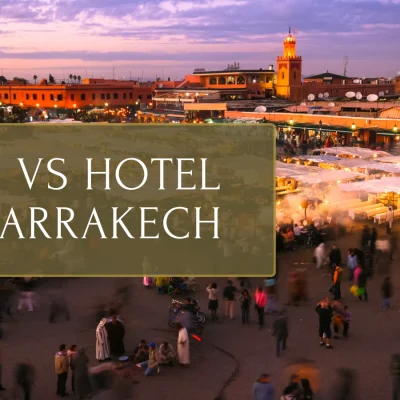
You wander through the famous Jemaa el-Fnaa, where storytellers and street performers bring the city to life.
Afternoon: Culture & Cuisine
By midday, the heat builds. You retreat to a shaded café for a traditional tagine—slow-cooked meat with vegetables and spices. After lunch, you visit historic palaces and gardens, immersing yourself in Moroccan architecture and history.
Evening: Magic Unfolds
As the sun sets, Marrakech transforms. The square fills with food stalls, music, and lights. You try local delicacies and sip fresh orange juice while watching the vibrant chaos.
Night: Relaxation
Back at your riad, the city quiets down. Under a starlit sky, you reflect on a day full of color, culture, and unforgettable moments.
Marrakech isn’t just a destination—it’s an experience.
Food Deep-Dive: 10 Must-Try Moroccan Dishes
Moroccan cuisine is rich, flavorful, and deeply rooted in tradition. Here are 10 dishes every traveler must try:
1. Tagine
- A slow-cooked stew made with meat, vegetables, and spices.
- 📍 Found everywhere, especially in Marrakech restaurants.
2. Tanjia
- A Marrakech specialty—meat slow-cooked in a clay pot.
- 📍 Best experienced in Marrakech.
3. Harira
- A traditional soup made with lentils, chickpeas, and tomatoes.
- 📍 Common during Ramadan.
4. Couscous
- Morocco’s national dish, typically served on Fridays.
- 📍 Available in homes and local eateries.
5. Pastilla
- A sweet-savory pie with meat, almonds, and cinnamon.
- 📍 Popular in Fes.
6. Mechoui
- Slow-roasted lamb, incredibly tender and flavorful.
- 📍 Found in traditional markets.
7. Zaalouk
- A smoky eggplant and tomato salad.
- 📍 Served as a side dish.
8. Bissara
- A hearty fava bean soup, often eaten for breakfast.
- 📍 Street food favorite.
9. Moroccan Mint Tea
- Known as “Moroccan whiskey,” it’s a symbol of hospitality.
- 📍 Served everywhere.
10. Chebakia
- Sesame cookies coated in honey.
- 📍 Popular during festivals.
Regional Breakdown: The Vibe of Morocco’s Top Cities
Marrakech – The Vibrant Heart
Marrakech is a sensory overload—in the best way possible. Known as the “Red City,” it’s a place where tradition and modern energy collide. The streets are alive with movement, from donkey carts navigating narrow alleys to scooters weaving through crowds.
The medina is the soul of Marrakech. Here, you’ll find bustling souks filled with textiles, spices, and handcrafted goods. The atmosphere is intense, colorful, and chaotic, yet incredibly captivating.
Marrakech is also a city of contrasts. Step inside a riad, and you’ll discover peaceful courtyards hidden behind unassuming doors. Luxury and simplicity coexist effortlessly.
The vibe here is energetic, exotic, and immersive. It’s perfect for travelers seeking adventure, culture, and unforgettable experiences.
Fes – The Cultural Capital
Fes feels like stepping back in time. It’s home to one of the world’s oldest universities and a medina that remains largely unchanged for centuries.
The city’s vibe is deeply traditional and intellectual. Unlike Marrakech, Fes is less about chaos and more about history and craftsmanship. Its narrow streets are filled with artisans practicing ancient trades—tanning leather, weaving textiles, and crafting ceramics.
Fes is quieter but richer in cultural depth. It’s ideal for travelers who want to understand Morocco’s heritage and traditions.
Chefchaouen – The Blue Pearl
Nestled in the Rif Mountains, Chefchaouen is famous for its blue-painted streets.
The vibe here is calm, artistic, and dreamlike. Unlike the intensity of Marrakech or Fes, Chefchaouen offers relaxation and scenic beauty. Every corner feels like a postcard.
It’s a haven for photographers, nature lovers, and those seeking peace. The slower pace makes it perfect for unwinding and soaking in the beauty of Morocco.
Essaouira – The Coastal Escape
Essaouira is Morocco’s laid-back coastal gem.
The vibe is breezy, relaxed, and artistic. With its Atlantic winds, sandy beaches, and charming medina, it offers a refreshing contrast to inland cities.
Essaouira is known for its seafood, music scene, and friendly atmosphere. It’s perfect for travelers who want a mix of culture and relaxation.
About the Author
This guide is created by travel experts at MoroccosGate, dedicated to helping travelers explore Morocco with real insights, practical tips, and curated travel experiences.
At the End
Morocco is a country that captivates every traveler with its rich culture, stunning landscapes, and unforgettable experiences. By following these 15 essential Morocco travel tips, you’ll avoid common pitfalls and enjoy a smoother, more authentic journey.
Whether you’re wandering through Marrakech, riding camels in the Sahara, or exploring hidden gems, preparation is the key to making your Moroccan adventure truly magical.