
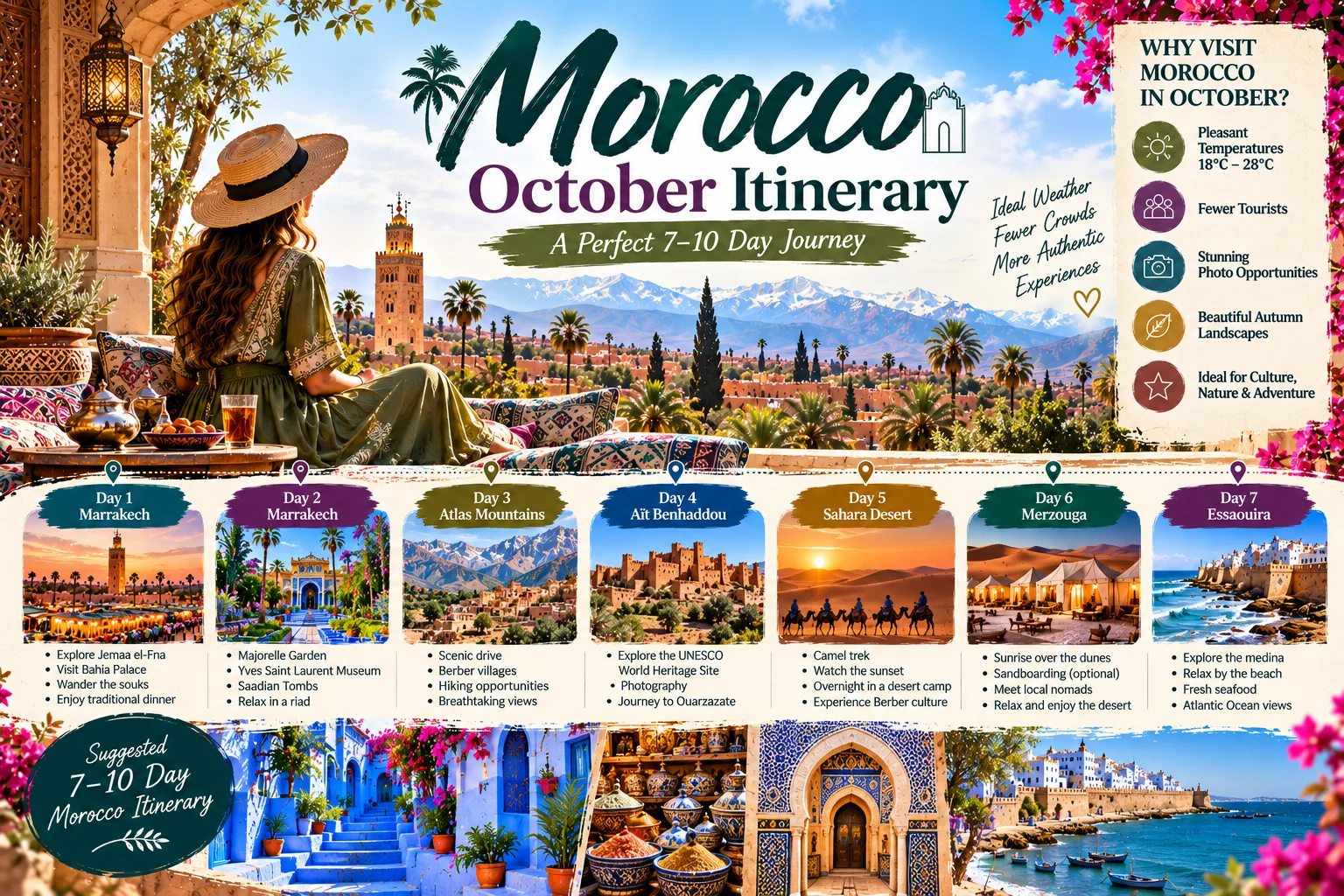
Morocco October Itinerary: Complete 7, 10 and 14-Day Travel Guide
Planning a trip to Morocco in October? This month can be an excellent time to explore the country’s historic medinas, colourful souks, mountain landscapes, desert scenery and Atlantic coastline. With summer’s intense heat often easing in many inland destinations, October can make sightseeing and outdoor adventures more comfortable, although conditions vary between regions and can change from day to day.
A well-planned Morocco October itinerary helps you experience more of the country without spending your entire holiday travelling between destinations. You might spend your first days discovering Marrakech, cross the High Atlas Mountains towards ancient kasbahs, watch the sun rise over the Sahara Desert, explore the historic streets of Fes or enjoy a slower pace beside the Atlantic Ocean in Essaouira.
However, Morocco is a geographically diverse country. Marrakech, Merzouga, Fes, Chefchaouen and Essaouira are not next-door destinations. Trying to visit every major attraction in a short holiday can leave you exhausted. The secret is to choose a route that matches your available days, interests and travel style.
In this guide, you will find practical 7-day, 10-day and 14-day Morocco itineraries for October, along with transport advice, packing suggestions, budgeting tips and answers to common planning questions.
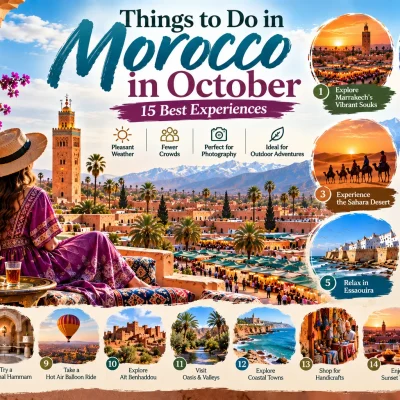
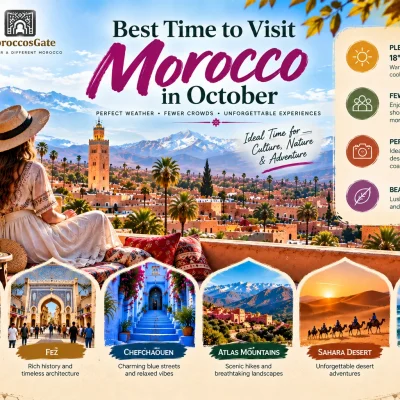
Why Visit Morocco in October?
October offers a useful balance between cultural sightseeing, outdoor exploration and coastal relaxation. It is a popular month for travellers who want to experience several sides of Morocco in one trip.
1. Explore historic cities more comfortably
Marrakech and Fes are known for their winding medinas, traditional markets, historic buildings, gardens and food culture. You can spend hours walking through narrow lanes, visiting monuments and browsing craft shops. October may offer more comfortable conditions for these activities than the hottest part of summer, but afternoons can still be warm.
2. Discover the Sahara Desert
The Sahara is one of Morocco’s most memorable experiences. Travellers can visit the dunes around Merzouga, arrange a camel trek or another suitable transfer, watch the sunset and spend a night in a desert camp. Desert days may remain warm while nights can become surprisingly cool, so check conditions and pack layers.
3. Enjoy the Atlas Mountains
The High Atlas region offers mountain scenery, traditional villages, valleys and walking opportunities. October can be suitable for many lower-altitude walks, but conditions depend on the route, elevation and weather. More challenging hikes should be planned with a knowledgeable local guide.
4. Experience the Atlantic coast
Essaouira provides a different atmosphere from Morocco’s inland cities. Its historic ramparts, fishing harbour, art galleries and seafood restaurants make it a rewarding place to slow down. The Atlantic can be windy, so bring a light jacket even if the inland weather feels warm.
For destination inspiration, explore the official Moroccan National Tourist Office’s travel guide.
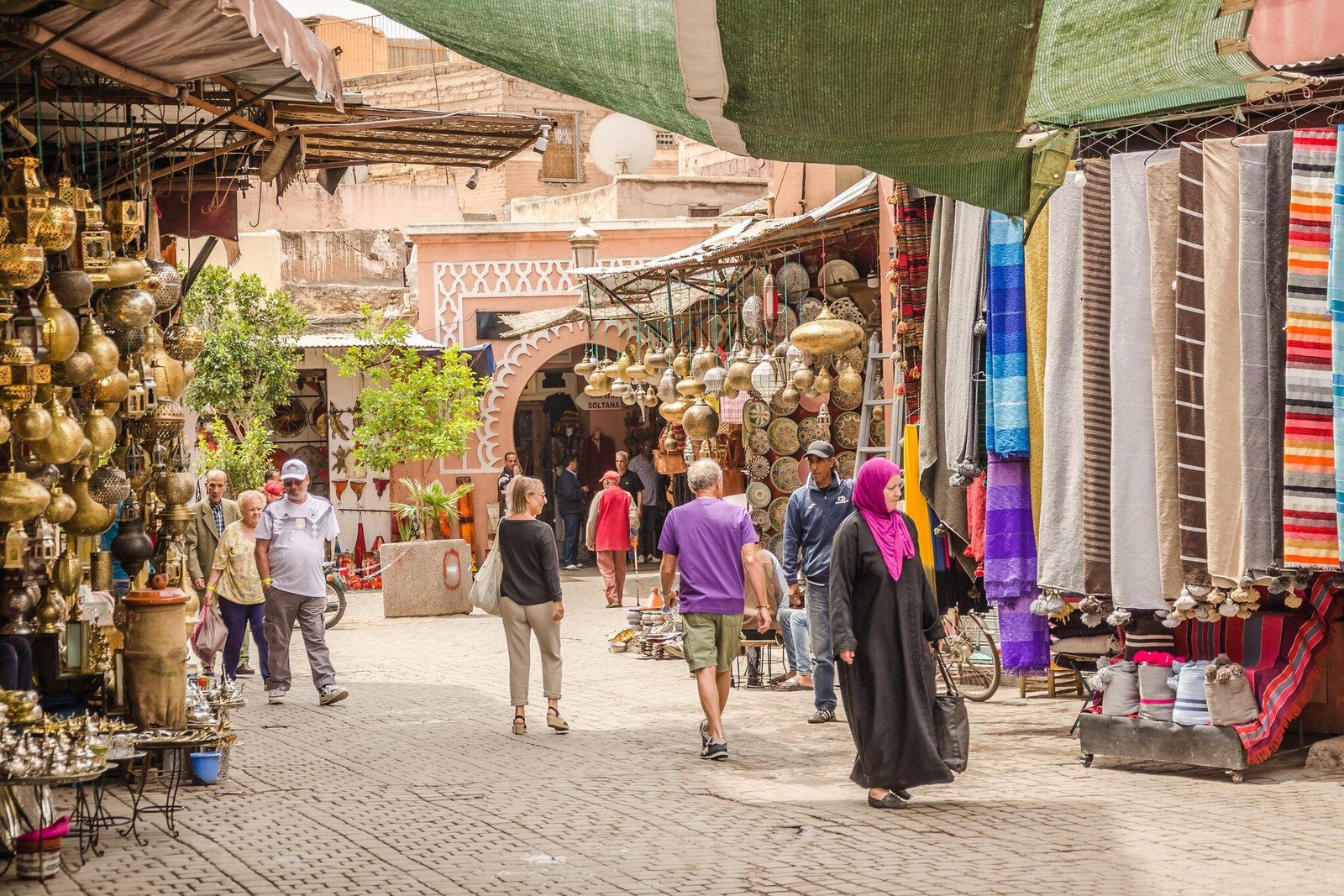
Morocco October Itinerary at a Glance
Before choosing a route, consider how much time you have and whether you prefer cities, mountains, desert adventures or coastal destinations.
- 5 days: Marrakech, one nearby excursion and a relaxed city day.
- 7 days: Marrakech, the Atlas and kasbah route, Sahara Desert and return to Marrakech.
- 10 days: Marrakech, the Sahara, Fes and additional time in historic towns.
- 14 days: A broader trip combining Marrakech, the Sahara, Fes, Chefchaouen and an Atlantic coastal destination, with careful transport planning.
The longer routes offer more variety, but they also require more travel. A seven-day southern Morocco trip is a different journey from a ten-day route connecting Marrakech with Fes and the north.
The Best 7-Day Morocco October Itinerary
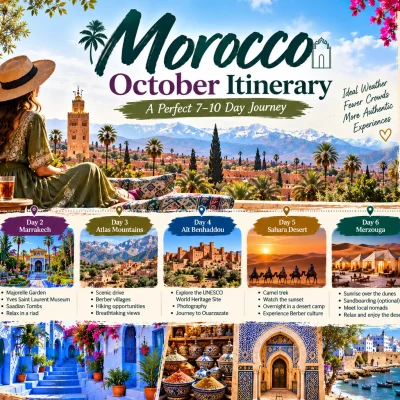
A week is enough to experience several highlights of southern Morocco, provided you accept that some days involve long drives. This route is best for first-time visitors who want Marrakech, mountain scenery, historic kasbahs and the Sahara.
Day 1: Arrive in Marrakech
Begin your Morocco October itinerary in Marrakech, a lively city known for its historic medina, traditional architecture, gardens, food and shopping.
After checking into your accommodation, keep the first day flexible. If you arrive early, take a gentle walk through the medina and become familiar with the neighbourhood around your riad or hotel.
In the afternoon or evening, visit Jemaa el-Fnaa, the famous central square. Depending on the day, you may find food stalls, performers, storytellers and busy market activity. Enjoy a Moroccan dinner and try traditional dishes such as tagine or harira.
Things to do:
- Explore the medina and its souks.
- Visit Jemaa el-Fnaa.
- Try mint tea and Moroccan pastries.
- Enjoy dinner at a traditional restaurant.
Overnight: Marrakech.
Day 2: Discover Marrakech’s Culture and Architecture
Spend your second day exploring Marrakech at a comfortable pace. Visit historic palaces, museums or gardens that interest you, and allow time to appreciate the details of Moroccan design.
Bahia Palace is known for its courtyards and decorative interiors. The Koutoubia Mosque is a major city landmark; visitors who are not permitted inside can admire its exterior and surrounding area. Jardin Majorelle is another popular stop, although tickets and entry arrangements should be checked in advance.
Later, explore the souks for leather goods, ceramics, lanterns, textiles and other traditional crafts. Bargaining may be part of the shopping experience, but do so politely and agree on a price before purchasing.
Do not try to visit every attraction in one day. Leave time for lunch, rest and spontaneous discoveries.
Overnight: Marrakech.
Day 3: Cross the High Atlas Mountains to the Aït Benhaddou Area
Leave Marrakech and travel across the High Atlas Mountains towards the Ouarzazate region. This journey offers dramatic mountain views, winding roads and opportunities to see villages and changing landscapes.
Aït Benhaddou is a historic earthen settlement and a well-known stop on southern Morocco routes. Its architecture, fortified appearance and surrounding landscape make it especially interesting for photography and cultural exploration.
Walk through the settlement with respect for residents and local rules. Wear comfortable shoes because paths may be uneven, and take water with you.
Travel times depend on traffic, road conditions, stops and your exact accommodation. Rather than trying to rush through several sites, allow enough time to enjoy the route.
Things to do:
- Enjoy viewpoints along the Atlas route.
- Explore Aït Benhaddou.
- Learn about traditional earthen architecture.
- Photograph the landscape in the softer light of late afternoon, if conditions allow.
Overnight: Ouarzazate or the Dades Valley, depending on your tour plan.
Day 4: Travel Through the Valleys Towards Merzouga
Continue east through southern Morocco towards the Sahara Desert. The route may pass through valleys, oases, small towns and dramatic rock formations. Depending on your transport arrangement, you may visit Todra Gorge or make stops in the Dades Valley.
This is primarily a travel day, so avoid packing it with too many activities. Take breaks, enjoy the changing scenery and ask your driver about suitable places to stop.
Arrive in the Merzouga area according to your booked itinerary. Merzouga is a gateway to the dunes of Erg Chebbi, one of Morocco’s best-known desert landscapes.
If you arrive with enough daylight, you may have time to settle into your accommodation and enjoy the desert surroundings.
Overnight: Merzouga or a desert camp.
Day 5: Experience the Sahara Desert
Dedicate the fifth day to the Sahara. If you are staying near Erg Chebbi, an early start gives you the opportunity to see the changing colours of the dunes at sunrise.
Depending on your preferences and the operator, activities may include a camel trek, a guided 4×4 excursion, sandboarding where available, or simply relaxing at camp and enjoying the scenery. Choose an operator that explains what is included, how animals are treated and what safety arrangements are provided.
Desert conditions can be demanding. Follow local advice, carry water, protect yourself from the sun and bring a warm layer for the evening. If you prefer not to ride a camel, ask about walking or vehicle-transfer alternatives.
After sunset, enjoy dinner and the atmosphere of the camp. Some camps arrange traditional music, but the facilities and activities differ, so check the details before booking.
Overnight: Sahara Desert camp or Merzouga.
Day 6: Return Towards Marrakech
The return journey from the Merzouga area to Marrakech is long. If you want to reduce fatigue, consider breaking the trip with an overnight stop rather than attempting the entire journey in one stretch.
Depending on your tour, you may return through the Dades Valley, Ouarzazate and the High Atlas. A private driver or organised multi-day tour can make the route easier to coordinate, but confirm the itinerary and expected travel time before paying.
Avoid scheduling a flight shortly after a long road journey. Delays, road conditions and stops can affect arrival times.
Overnight: Marrakech or a stop on the return route if your itinerary allows.
Day 7: Enjoy a Final Morning and Depart
Use your final morning for breakfast, a short walk, last-minute shopping or a visit to a nearby attraction you missed earlier. Keep the schedule light, especially if you have an international flight.
If your departure is from Marrakech, plan enough time to reach the airport and complete check-in. If you are flying from another city, you will need to adjust this itinerary accordingly.
Best for: Travellers who want a compact introduction to Marrakech, southern Morocco and the Sahara.
Important: This seven-day route involves significant driving. For a more relaxed holiday, add a day or two or choose a shorter route that does not include the Sahara.
The Best 10-Day Morocco October Itinerary
Ten days allow you to explore more of Morocco, but you still need to make choices. The following route combines Marrakech, the Sahara and Fes. It works best when transport between the desert and northern Morocco is arranged carefully.
Days 1–2: Marrakech
Follow the first two days of the seven-day itinerary. Explore the medina, souks, gardens, historic architecture and local food. Keep your arrival day light and use the second day for major sightseeing.
Day 3: Marrakech to Aït Benhaddou and Ouarzazate
Travel across the High Atlas towards Aït Benhaddou and Ouarzazate. Visit the historic settlement and enjoy the southern landscapes. Depending on your pace, spend the night in Ouarzazate or continue partway towards the Dades Valley.
Day 4: Dades Valley and Todra Gorge
Continue through the valley landscapes, stopping at viewpoints and local communities where appropriate. Todra Gorge is known for its high rock walls and walking opportunities.
Conditions and accessibility vary, so follow local guidance and avoid unsafe areas. Spend the night in the region to avoid turning the day into a rushed transfer.
Day 5: Travel to Merzouga
Continue towards Merzouga, stopping for food and breaks along the way. Arrive with enough time to check into your accommodation or reach your desert camp.
Day 6: Sahara Desert Experience
Enjoy sunrise, the dunes and your chosen desert activities. A second night in the area allows more time to appreciate the landscape without immediately beginning a long drive.
Day 7: Travel North Towards Fes
Travel from the Merzouga region towards Fes. This is a substantial journey, and the exact route and time depend on your driver, road conditions and stops. Some travellers break the trip with an overnight stay, which may mean adjusting the remaining days.
If you choose to travel in one day, confirm the schedule in advance and avoid planning a full sightseeing programme for the evening.
Day 8: Explore Fes
Fes offers a rich cultural experience, particularly within its historic medina. Consider hiring a licensed local guide to help you navigate its lanes and understand its architecture, crafts and history.
Explore traditional markets, workshops and historic buildings that are open to visitors. Dress respectfully, ask before photographing people and be mindful that the medina is a living neighbourhood rather than simply a tourist attraction.
Enjoy a meal featuring Moroccan specialities and leave time to explore at a slower pace.
Day 9: Fes and a Flexible Excursion
Spend a second day in Fes or choose a nearby excursion if it fits your interests. You might focus on cultural sites, local food, craft traditions or a scenic drive.
Do not add Chefchaouen automatically unless you have enough time for the journey and an overnight stay. It lies farther north, and squeezing it into a short schedule may make the trip unnecessarily tiring.
Day 10: Departure
Depart from Fes if your flight arrangements allow. If you need to return to Marrakech or Casablanca, allow adequate time for the transfer and consider whether a final overnight stay near your departure airport is sensible.
Best for: Travellers who want Marrakech, the Sahara and an imperial city in one trip and are comfortable with several long travel days.
The Best 14-Day Morocco October Itinerary
With two weeks, you can create a more balanced route and spend more time in each destination. You still cannot see everything, but you can combine cities, desert scenery, mountains and the coast with fewer rushed days.
Days 1–3: Marrakech
Spend three nights in Marrakech. Use the first day for arrival and a gentle walk, the second for the medina and major cultural attractions, and the third for a garden visit, a cooking class or a guided food experience.
A cooking class can be a useful way to learn about Moroccan ingredients and preparation methods. Check what is included and whether dietary requirements can be accommodated.
Day 4: Atlas Mountains and Aït Benhaddou Route
Begin the journey south across the High Atlas. Depending on your chosen route, stop at mountain viewpoints and continue towards Aït Benhaddou. Allow enough time for the drive and the visit.
Spend the night in the Ouarzazate area or continue towards the Dades Valley if your transport schedule permits.
Day 5: Dades Valley and Todra Gorge
Enjoy the landscapes of the southern valleys and visit Todra Gorge if it fits your route. Walk where safe and permitted, take breaks and explore at a comfortable pace.
Stay overnight in the region rather than rushing directly to the desert.
Days 6–7: Merzouga and the Sahara
Travel to Merzouga and spend two nights in the area. This gives you time for a desert excursion, sunrise or sunset viewing, and a more relaxed camp experience.
Confirm the camp location, transport arrangements, meals, bathroom facilities and cancellation policy before booking. A desert camp experience can vary considerably in comfort and accessibility.
Day 8: Travel Towards Fes
Travel north from Merzouga towards Fes. Because this is a long transfer, make it a travel-focused day. Depending on your preferences, route and accommodation availability, you may wish to break the journey with an overnight stop.
Days 9–10: Fes
Spend two nights in Fes. Explore the medina, local crafts, historic architecture and food culture. A local guide can help you understand the city’s history and navigate its complex streets.
Use the second day to visit places you missed or enjoy a slower cultural experience. Avoid planning too many distant excursions.
Day 11: Travel to Chefchaouen
Continue towards Chefchaouen, the mountain town famous for its blue-painted streets and surrounding scenery. Check transport schedules in advance, especially if you are travelling independently.
After arrival, explore the old town, browse local shops and enjoy the relaxed atmosphere. Be respectful when photographing residents and private homes.
Day 12: Explore Chefchaouen
Spend the day exploring the town on foot. Wander through the medina, discover small squares, visit viewpoints and enjoy a café break.
If you plan a countryside walk, check local conditions and use a guide where appropriate. Keep enough time for the return journey if your accommodation is outside the centre.
Day 13: Travel to an Atlantic Coastal Destination
For the final part of your trip, choose a destination that matches your departure arrangements. Essaouira is an appealing coastal option, especially if you can route back towards Marrakech. However, reaching Essaouira from Chefchaouen requires significant travel, so this combination is best handled with a carefully planned transfer or by modifying the northern portion of the itinerary.
For a more efficient alternative, spend the final two days in a destination connected more conveniently to your route, or travel to Essaouira earlier and shorten the northern section. Avoid assuming that every destination can be linked quickly.
Day 14: Coastal Time and Departure
If you are in Essaouira, enjoy the harbour, ramparts, art shops and seafood restaurants before returning to your departure city if needed. If your flight is from Marrakech, allow sufficient time for the road transfer and airport procedures.
Best for: Travellers who want a broad overview of Morocco and have enough time to plan transfers carefully. For a relaxed holiday, prioritise either the north or the south rather than trying to cover every region.
A Relaxed 5-Day Morocco October Itinerary
Not everyone has a week or more. If you have five days, focus on Marrakech and nearby experiences rather than trying to fit in the Sahara.
- Day 1: Arrive in Marrakech and explore the medina.
- Day 2: Visit gardens, historic buildings and souks.
- Day 3: Take a day trip to the Atlas foothills or another nearby destination.
- Day 4: Choose a food tour, cultural experience or excursion to the Agafay area.
- Day 5: Enjoy breakfast, shop for souvenirs and depart.
Agafay is a rocky, arid landscape near Marrakech, not the same type of extensive sand-dune environment as Erg Chebbi near Merzouga. If your dream is a classic Sahara dune experience, allow several days for the journey rather than treating it as a quick day trip from Marrakech.
Should You Include Essaouira in Your October Itinerary?
Essaouira is a rewarding addition if you want to balance busy cities and desert landscapes with time by the sea. Its historic medina, ramparts, fishing harbour and creative atmosphere make it suitable for travellers who enjoy walking, photography, local food and independent shops.
Plan at least one night if possible. A day trip from Marrakech is possible, but an overnight stay gives you more time to enjoy the town without rushing back.
The Atlantic coast can be windy, and swimming conditions vary. Check local advice before entering the water, particularly if waves or currents are strong.
For more ideas, see the official Essaouira destination guide.
How to Get Around Morocco in October
Your transport choices will shape the itinerary as much as your interests.
Trains
Trains can be useful for connecting major cities on the rail network. Check the current routes and timetables before planning, because not every destination is served by rail. The Sahara and many mountain areas require other forms of transport.
Buses
Long-distance buses can be a practical option for travellers on a budget. Compare schedules, luggage policies, departure points and journey durations before booking. Leave extra time when connecting between different operators.
Private drivers and organised tours
A private driver or organised tour can simplify journeys through the Atlas Mountains, kasbah regions and Sahara. Ask for a written itinerary, included stops, accommodation details, meal arrangements and any additional charges.
Rental cars
A rental car offers flexibility, but driving in medinas, mountain roads and unfamiliar areas requires care. Check insurance conditions, parking arrangements and the vehicle policy before booking. Avoid driving when tired, and do not assume that all rural routes are suitable for every vehicle.
What to Pack for Morocco in October
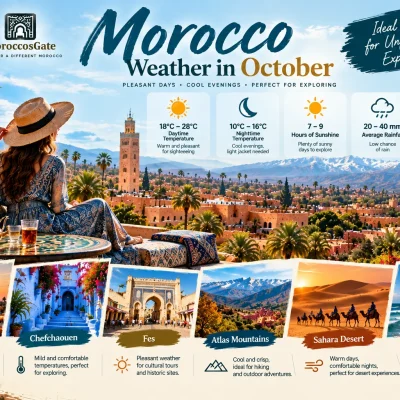
October weather differs by location and altitude, so packing layers is more useful than relying on a single forecast.
- Light daytime clothing: Choose comfortable, breathable clothes for city sightseeing.
- Warm layers: Bring a jumper or jacket for evenings, mountain areas and desert camps.
- Comfortable shoes: Useful for medina streets, historic sites and walking routes.
- Sun protection: Pack sunglasses, sunscreen and a hat.
- Rain protection: A compact rain jacket or umbrella may be useful depending on the forecast.
- Modest clothing options: Lightweight clothing that covers shoulders and knees can be helpful when visiting religious or traditional settings.
- Day bag and reusable water bottle: Convenient for walks and excursions.
- Personal medication and travel documents: Keep essential items accessible during long transfers.
Check the forecast for each destination shortly before departure. A warm afternoon in Marrakech does not mean the mountains or desert will feel the same at night.
How Much Does a Morocco Trip in October Cost?
There is no single price for a Morocco October itinerary. Your total depends on accommodation, transport, restaurant choices, guided activities, trip length and whether you travel independently or book a package.
Budget travel
Budget travellers can compare guesthouses, hostels, public transport and casual local restaurants. Booking early may help secure preferred accommodation, although prices and availability vary.
Mid-range travel
A mid-range trip might combine comfortable riads or hotels, some guided sightseeing, selected private transfers and a planned Sahara excursion. This can be a useful balance between convenience and cost.
Luxury travel
Luxury travellers may choose boutique riads, high-end desert camps, private drivers and bespoke experiences. Check precisely what is included in each package before comparing prices.
For any budget, calculate the full cost rather than comparing accommodation rates alone. Include airport transfers, meals, entrance fees, transport between destinations, tips where customary, travel insurance and optional excursions.
Practical Tips for Planning Your October Trip
Book key experiences in advance
October can be a popular time to visit Morocco. Consider reserving your accommodation and Sahara excursion ahead of time, particularly if you have fixed dates or specific accommodation preferences. Check cancellation policies before paying.
Avoid overcrowding your route
Marrakech, Merzouga, Fes, Chefchaouen and Essaouira each deserve time. Map your journey before booking hotels and estimate travel time between stops. Remember that a distance that looks manageable on a map may take much longer on mountain roads.
Respect local culture
Learn a few useful words, ask permission before photographing people and dress appropriately for the setting. When visiting markets, agree on prices before purchasing goods or services.
Keep some flexibility
Weather, road conditions and transport schedules can affect plans. Avoid booking important flights immediately after a long road transfer, and keep some open time for rest or unexpected discoveries.
Check travel requirements
Review current entry requirements, passport validity, travel insurance and any relevant official travel advice before departure. Requirements depend on your nationality and circumstances.
Frequently Asked Questions About a Morocco October Itinerary
Is October a good month to visit Morocco?
October can be a very good month for combining city sightseeing, outdoor activities and desert travel. However, weather varies by destination, and mountain conditions can change quickly. Check local forecasts before setting your final route.
How many days do I need in Morocco in October?
Five days can work for Marrakech and nearby excursions. Seven days can include a southern route towards the Sahara, although it will involve substantial driving. Ten days allow more variety, while fourteen days offer greater flexibility if you plan the geography carefully.
Can I visit the Sahara Desert in October?
Yes, desert trips are commonly arranged in October. Plan transport to the Merzouga area or another desert destination, confirm the details of your camp and bring warm clothing for the night. Daytime conditions can still be hot.
Is seven days enough for Morocco?
Seven days is enough for a focused route, not every major region. A Marrakech–Atlas–Sahara itinerary can work if you accept long transfers. If you prefer slower travel, focus on Marrakech and nearby destinations instead.
Should I visit Marrakech or Fes first?
That depends on your flights and the route you choose. Marrakech is a convenient starting point for southern Morocco and the Sahara. Fes is a useful starting or finishing point for a northern route. Compare flight options and transport connections before deciding.
Is Essaouira worth visiting in October?
Yes, especially if you enjoy coastal scenery, historic streets, seafood and a slower pace. Expect possible wind, and check local sea conditions before swimming or undertaking water activities.
What should I wear in Morocco in October?
Pack light clothing for warm daytime conditions, plus a jumper or jacket for evenings, desert nights and mountain areas. Comfortable shoes and sun protection are useful for most itineraries.
Do I need a guide for Morocco?
You can explore many places independently, but a licensed local guide can add value in historic medinas, cultural sites and remote areas. For desert excursions or challenging hikes, choose reputable operators with clear safety arrangements.
Is Morocco suitable for families in October?
Morocco can be suitable for families, depending on children’s ages, interests and tolerance for long journeys. Choose shorter driving days, family-friendly accommodation and activities appropriate for everyone. A relaxed Marrakech-based trip may be easier than a fast multi-city route.
Should I book a desert camp in advance?
Booking ahead is sensible if you have fixed dates, want a particular comfort level or are travelling during a busy period. Confirm the location, transfers, meals, bathroom facilities, cancellation conditions and what activities are included.
Final Thoughts: Plan a Morocco October Itinerary That Fits Your Trip
A successful Morocco October itinerary is not about visiting the maximum number of destinations. It is about choosing a route that gives you enough time to enjoy each place.
For a first visit, a seven-day southern route can introduce you to Marrakech, the Atlas Mountains, historic kasbahs and the Sahara Desert. A ten-day holiday can add Fes, while a two-week trip gives you more opportunities to explore the north or the coast—provided you plan transport realistically.
Before booking, compare routes, check the forecast, allow for long journeys and choose activities that match your interests. Whether you want historic medinas, desert sunsets, mountain walks or Atlantic views, thoughtful planning will help you make the most of Morocco in October.
Affiliate disclosure: This article may contain affiliate links. If you book or purchase through eligible links, Morocco’s Gate may earn a commission at no additional cost to you. Any recommendations should be based on relevance to the reader.
Image disclosure: Some images used on this website may be AI-generated or AI-enhanced for illustrative purposes. They may not exactly represent actual locations, weather conditions or travel experiences.