
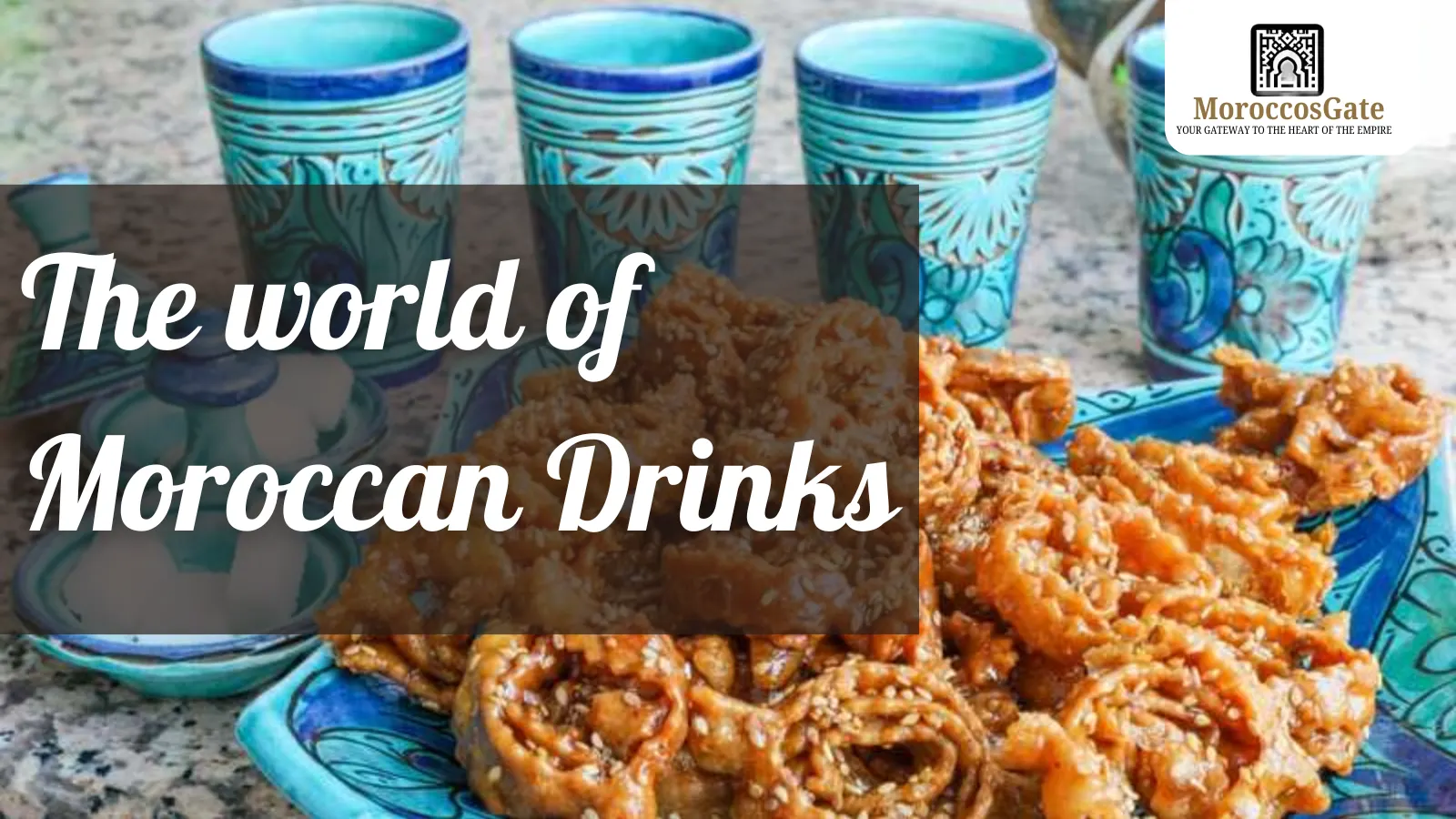
A Sip of Hospitality: The Ultimate Guide to Moroccan Drinks
Moroccan cuisine is world-famous for its Tagines and Couscous, but the Moroccan drinks culture is the unsung hero of the culinary landscape. It is a world of vibrant colors, intense health benefits, and deep-rooted tradition.
At MoroccosGate, we believe that you cannot truly understand this country until you have tasted it. In a land where hospitality (Diafa) is a sacred duty, what you drink is just as important as what you eat.
From the ritualistic pouring of hot tea to the explosion of fresh street juices, here is your ultimate guide to the thirst-quenching, soul-warming world of Moroccan drinks.
Take Care of your Skin. Click here👇
The Soul of the Kingdom: Moroccan Mint Tea (Atay)
Moroccan Mint Tea, known locally as Atay, is not just a beverage; it is an institution. It is drunk at breakfast, after lunch, before dinner, and anytime a guest walks through the door. To refuse a glass is almost unheard of.
The Ritual
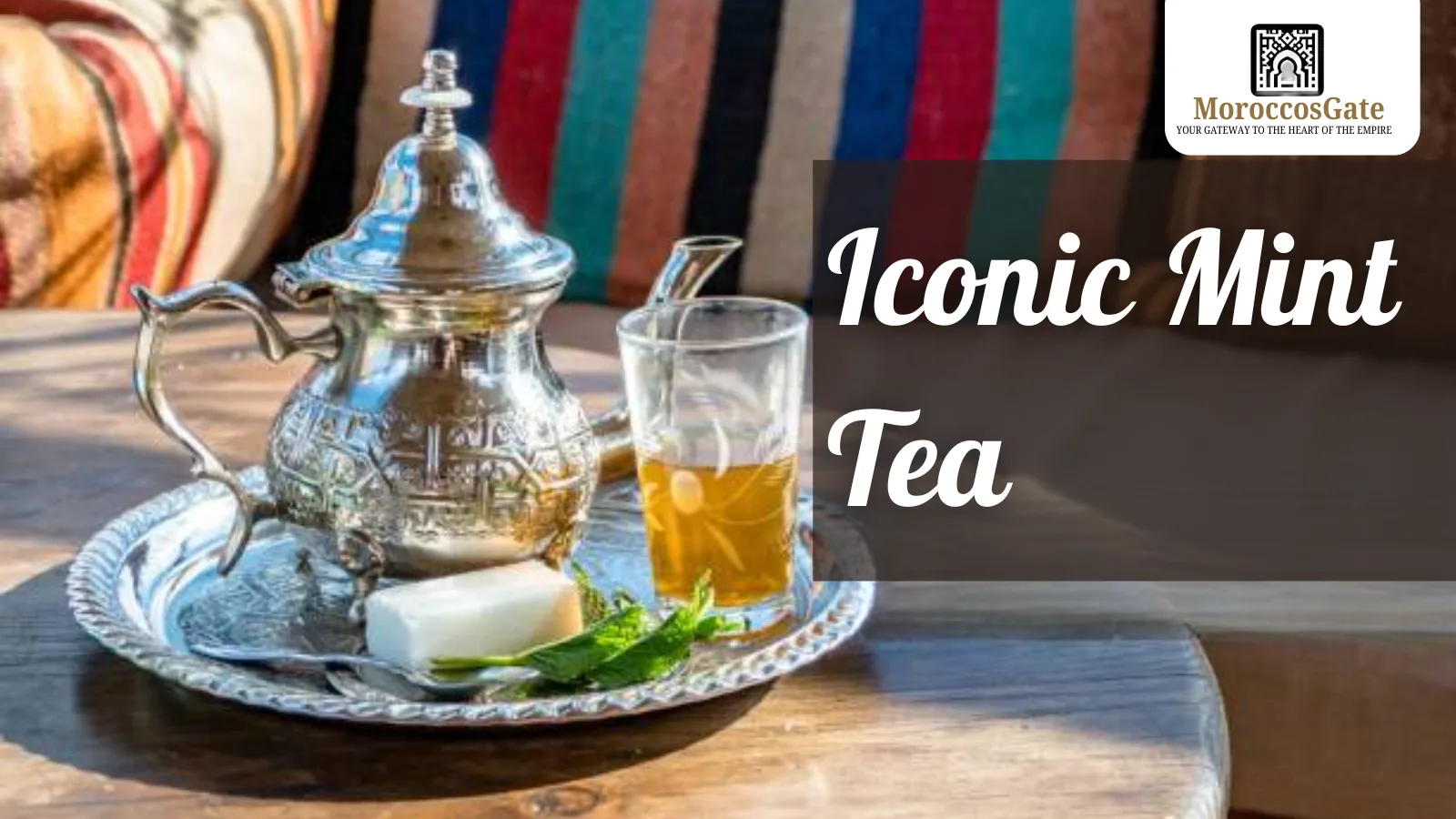
You don’t just “make” Atay; you perform it. The base is Gunpowder Green Tea (imported from China), which is steeped with massive bunches of fresh spearmint and a generous amount of sugar loaves (Sokkar).
The server will lift the teapot high above the glass—sometimes a meter in the air—and pour a long, thin stream. This isn’t just for show. It cools the boiling tea slightly before it hits the glass and creates a frothy foam on top called the Kchkoucha (the crown). If there is no foam, it is said the tea has no soul.
Regional Variations
- North (Tangier): often sweeter and sometimes made with pine nuts.
- South (Sahara): The tea is stronger, darker, and the ritual involves three rounds, each getting sweeter. There is a saying: “The first glass is as bitter as life, the second is as strong as love, the third is as gentle as death.”
- Winter Twist: In the colder months, locals add Chiba (Wormwood) instead of mint for a warming, slightly bitter herbal flavor.
The Vitamin Bomb: Fresh Street Juices
Walking through Jemaa el-Fnaa square in Marrakech, you will be greeted by walls of bright orange. The fresh juice carts are a staple of Moroccan street life.
Orange Juice (Lymoun)
Morocco produces some of the finest citrus in the world. For just a few Euro, you get a glass of juice squeezed right in front of you. It is sweet, pulpy, and completely addictive. It’s sunshine in a glass.
Pomegranate Juice (Rumman)
When in season (Autumn/Winter), the ruby-red pomegranate juice stands appear. It is tart, sweet, and packed with antioxidants.
Secret Touch
What makes Moroccan drinks unique is the subtle addition of floral waters. You might order a simple almond milk or fruit juice and find a dash of Orange Blossom Water (Mazhar) added. It elevates a simple drink into a fragrant perfume for the palate.
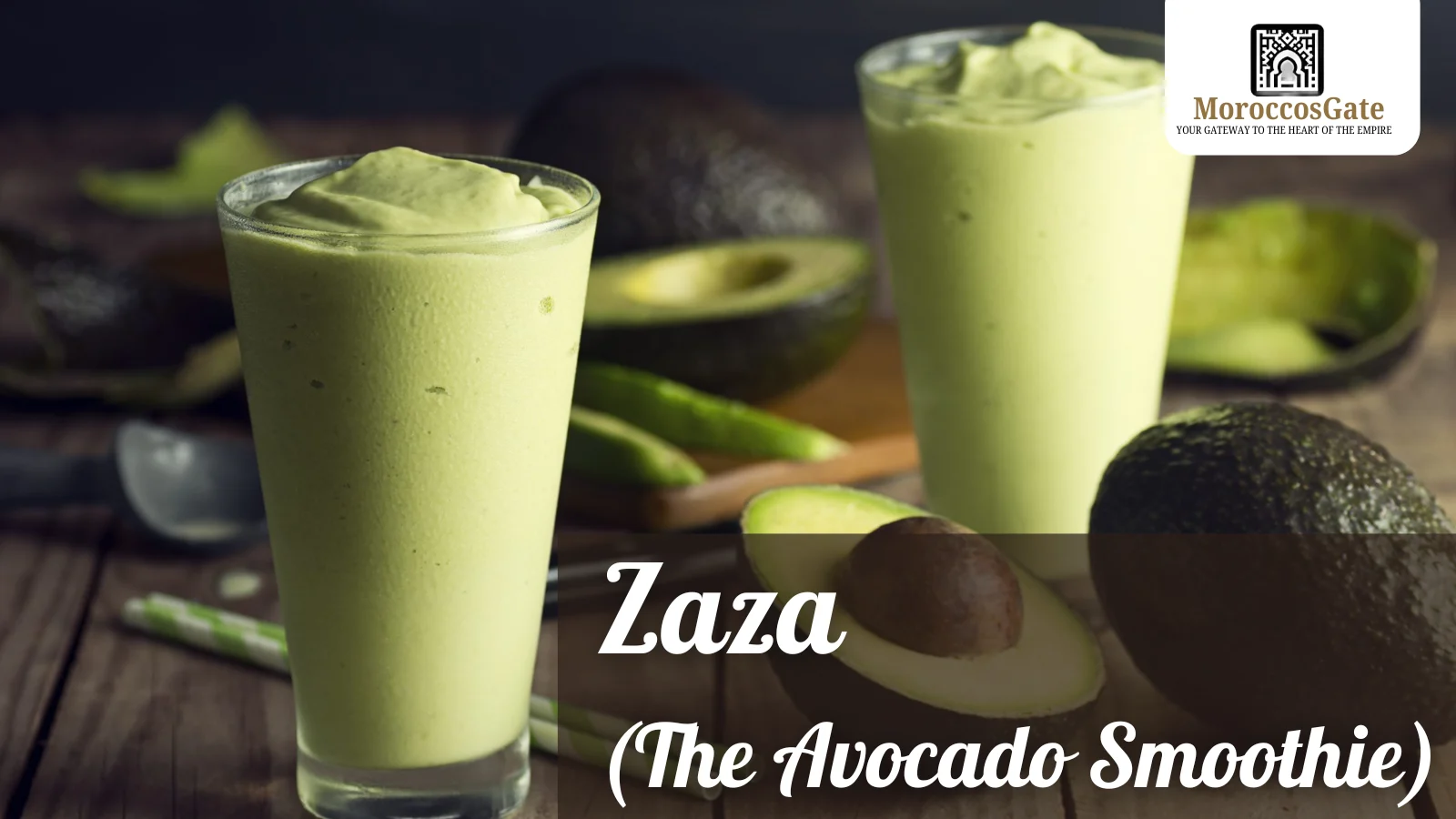
The Heavyweight: Zaza (The Avocado Smoothie)
If you are hungry but don’t have time for a Tagine, you order a Zaza.
This is not just a drink; it is a meal. The Zaza (sometimes called Panaché if mixed with other fruits) is a rich, creamy smoothie base made from avocado, milk, and sugar.
It is then layered or topped with:
- Dried fruits (dates, raisins, figs).
- Nuts (almonds, walnuts).
- Honey.
- Sometimes a scoop of vanilla ice cream or a drizzle of chocolate/strawberry syrup.
It is legendary among locals and tourists alike. It is energy, texture, and indulgence all rolled into one tall glass.
Cafe Culture: The Nous Nous
Moroccan men (and increasingly women) spend hours in street-side cafes, watching the world go by. While tea is popular, the coffee culture is fierce. Enter the Nous Nous.
- In Darija (Moroccan Arabic), Nous Nous translates literally to “Half-Half.”
- It is exactly that: Half strong espresso, half steamed milk.
- Served in a glass (never a mug), it allows you to see the layers. It is smoother than a macchiato but stronger than a latte. It is usually served with a packet of sugar and a small bottle of water on the side.
Fermented Tradition: Raib and L’ben
Morocco has a long history of dairy fermentation, born from the need to preserve milk in a hot climate.
Raib
Think of the best yogurt you’ve ever had, but drinkable. Raib is a homemade fermented milk, often sweetened and flavored with vanilla or orange blossom. It has a texture between yogurt and custard. You will find “Moul Raib” (dairy shops) serving this in bowls for breakfast or as a light dinner. It is soothing for the stomach and incredibly refreshing.
L’ben (Moroccan Buttermilk)
Friday is Couscous day in Morocco. And you cannot have Couscous without L’ben. It is fermented buttermilk with a tangy, slightly sour taste. It cuts through the richness of the couscous and settles digestion. While it can be an acquired taste for some Western tourists, it is an essential part of the Friday ritual.
Winter Warmers: Khoudenjal
When the temperatures drop in the Atlas Mountains or during the chilly desert nights, mint tea isn’t enough.
Khoudenjal is a spicy, herbal tea that packs a punch. It is named after its main ingredient, Galangal (a relative of ginger), but it is actually a blend of spices including cinnamon, ginger, cardamom, cloves, and sometimes ginseng.
It is often sold from large brass urns in the Medina. One cup of this, and you will feel a fire in your chest that warms you from the inside out. It is also touted for its medicinal properties to fight colds and flu.
Modern Hospitality: Mocktails & “The Virgin Spirit”
While Morocco produces excellent wine and beer, the culture is predominantly Muslim, meaning alcohol is not part of the daily traditional diet. However, Moroccan mixology has evolved to create sophisticated, non-alcoholic “Mocktails” that celebrate local produce.
The Moroccan “No-Mule”
A twist on the Moscow Mule, using spicy ginger beer, fresh lime, huge sprigs of Moroccan mint, and cucumber.
Almond Blossom Shakes
A blend of homemade almond milk, frozen banana, dates, and a drop of orange blossom water. It is creamy, vegan-friendly, and tastes like a dessert.
A Note on Mahia
While we focus on non-alcoholic hospitality here, it is worth noting a drink of historical significance: Mahia. This is a fig or date brandy traditionally distilled by the Moroccan Jewish community. While it is an alcoholic spirit, it represents the deep history of coexistence in Morocco. Today, the flavors of fig and anise found in Mahia are often replicated in non-alcoholic syrups to flavor sodas and coffees.
Grab Moroccan Drinks by wear Shoes. Click here👇
The Moroccan Drinks Menu
To help you navigate the menu when you visit, here is a detailed breakdown of what to order.
| Drink Name | Main Ingredients | Best Time to Drink | Taste Profile |
|---|---|---|---|
| Atay (Mint Tea) | Gunpowder Green Tea, Fresh Mint, Sugar, Water | All day, every day. Especially after meals. | Sweet, grassy, refreshing, aromatic. |
| Nous Nous | Espresso, Steamed Milk (50/50 ratio) | Morning or late afternoon sitting in a cafe. | Creamy, robust coffee flavor, smooth. |
| Zaza (Avocado) | Avocado, Milk, Sugar, Nuts, Dried Fruit | Breakfast or as a heavy snack/lunch replacement. | Thick, creamy, nutty, very sweet. |
| Jus d’Orange | Freshly squeezed Moroccan oranges | Morning or hot afternoons in the square. | Bright, acidic, sweet, pure citrus. |
| Raib | Fermented Milk, Sugar, Vanilla/Orange Blossom | Breakfast or a light evening snack. | Tangy like yogurt, sweet, silky texture. |
| L’ben | Fermented Buttermilk | Friday Lunch (with Couscous). | Sour, tart, refreshing, coating. |
| Khoudenjal | Galangal, Ginger, Cinnamon, Cardamom | Winter evenings or when feeling a cold coming. | Spicy, hot, medicinal, warming. |
| Almond Milkshake | Almonds, Milk, Orange Blossom Water | Weddings, celebrations, or special treats. | Floral, nutty, rich, marzipan-like. |
| Hot Lemon & Ginger | Lemon juice, Ginger root, Honey | Winter mornings. | Zesty, spicy, soothing. |
The Great Comparison
For the traveler, the variety can be overwhelming. Is L’ben safe for lactose intolerance? Is Khoudenjal a tea or a medicine? Here is a comparative analysis of the drinking landscape in Morocco.
Herbal vs. Soft Drinks vs. Juices
- Herbal (Atay, Verbena/Louiza): These are the kings of Moroccan hydration. They are safe (boiled water), digestive, and social.
- Fresh Juices: These offer the best flavor profile. Unlike processed soft drinks found in Europe, Moroccan street juice is 100% fruit. Tip: Ask for “Sans Sucre” (No sugar) if you want it natural, as they sometimes add extra.
- Soft Drinks (Soda): You will find all major global brands (Coke, Sprite) here. However, Morocco has its own iconic soda called Hawaii (a tropical coconut/pineapple soda) and Poms (apple soda). Trying these is a rite of passage!
Dairy & Plant vs. Traditional Cultural
- Dairy (Raib/L’ben/Zaza): Dairy is huge in Morocco. It is generally pasteurized and safe in cities. However, it is heavy.
- Plant-Based: Almond milk is traditional, not a hipster trend here! It has been used for centuries in celebrations.
- Traditional: Cultural drinks like L’ben are acquired tastes but offer probiotic benefits that can actually help travelers’ stomachs adjust.
Functional Drinks vs. Specialty
- Functional: Khoudenjal is the ultimate functional drink. It is drunk specifically for energy and health.
- Specialty: Coffee (Nous Nous) is about the social function. You don’t grab a coffee “to go” in Morocco; you sit, you watch, you talk.
Hot Drinks vs. Carbonation
- Morocco is a hot country that loves hot drinks. The logic is that hot tea induces a slight sweat which cools the body down more effectively than ice-cold carbonated drinks. You will see locals drinking piping hot tea in 40-degree heat!
Are These Drinks Safe for Tourists?
This is the most common question we get at MoroccosGate.
- Hot Drinks (Tea/Coffee/Khoudenjal): 100% Safe. The water is boiled.
- Juice: generally safe in busy areas (like Jemaa el-Fnaa) due to high turnover. Ensure the glass is clean or ask for a takeaway plastic cup.
- Water: We always recommend tourists stick to bottled water (Sidi Ali or Ain Atlas brands) just to be safe, though tap water in major cities is treated.
Drink in the Culture
To visit Morocco and only drink water is to miss half the story.
The story of Morocco is written in the foam of the tea glass, the pulp of the orange juice, and the spice of the coffee. These Moroccan drinks are an invitation. They are a way for locals to say “Marhba” (Welcome) without using words.
Whether you are seeking the health kick of a fresh pomegranate juice, the comfort of a warm Nous Nous, or the adventure of a spicy Khoudenjal, Morocco has a glass waiting for you.
Book a Tour Guide. Click here👇
Ready to taste it for yourself?
At MoroccosGate, we plan itineraries that take you to the best tea houses in Fez, the hidden juice stalls in Marrakech, and the mountain cafes with the best views.
Plan your culinary adventure today.
- WhatsApp: +353-892614066
- Email: travel@moroccosgate.com
- Explore: Check our “Moroccan Food & Culinary Experiences” category for more tasty tips.
B’saha! (To your health!)