
A Food Lover’s Guide to Moroccan Cuisine: Spices, Stories, and Secrets
When a tagine lid rises, the first steam is released. The scent of saffron, ginger, and cumin. The quiet of a room while a pot of mint tea is poured. Moroccan cuisine is one of the greatest delicious love letters to a region in the world, and it is as much about hospitality and customs as it is about recipes. This book will teach you how to order, prepare, and enjoy Moroccan food like a local if you’re in the US or the UK and yearn for something lively, soulful, and incredibly warming.
Author: Morocco’s Gate Team
What is the cuisine of Morocco?
Moroccan cuisine is fundamentally a celebration of flavorful spices, generous tables, and leisurely cooking. It is the living outcome of Arab, Andalusian, Jewish, and French influences layered upon Amazigh (Berber) ancestry.
- Ras el hanout, cumin, paprika, ginger, coriander, cinnamon, and the subtle hint of saffron add deep spice flavors.
- Green olives and preserved lemons add a savory brightness, particularly with chicken tagines.
- Dates with harira soup, honey with almonds, caramelized onions with couscous, and prunes with lamb all strike a balance between sweet and salty flavors.
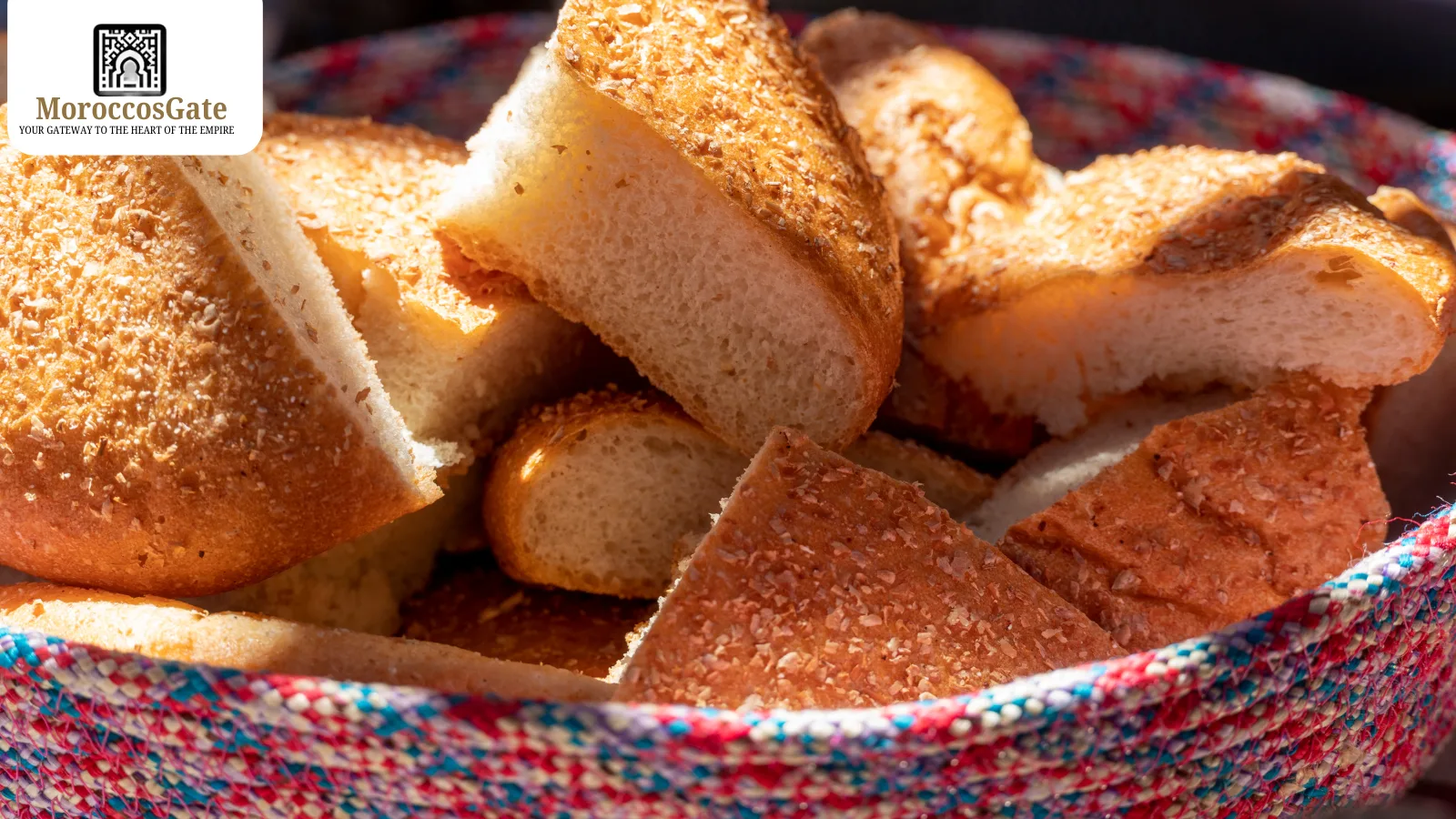
- Every meal includes bread (khobz), which is shared, dipped, and scooped.
Moroccan cuisine is social food, with meals based on protocol and season, a pot of mint tea to greet guests, and a focal dish for everyone to assemble around. Since spice is more about warmth and perfume than heat, it’s usually not extremely hot, making it the ideal meal for anyone who enjoys flavorful food without the burn.
The Moroccan Pantry: Herbs, Spices, and Basic Items
You’ll repeatedly notice a few prerequisites for cooking and understanding Moroccan cuisine:
- Spices include ground ginger, turmeric, black pepper, cinnamon, paprika (sweet and smoked), cumin, ras el hanout (house blend), and saffron threads.
- Aromatics include fresh cilantro, parsley, garlic, and onion.
- Green and purple olives, preserved lemons, and the sharpness of capers in some coastal cuisines are examples of citrus and briny overtones.
- The following are staples: barley, lentils, chickpeas, almonds, dates, figs, dried apricots, honey, extra virgin olive oil, couscous (steamed semolina), and culinary-grade argan oil.
- Breads and grains include harcha (semolina panbread), baghrir (spongy “thousand-hole” pancakes), msemmen (folded griddled flatbread), and khobz (round country loaf).
These combine to produce layers of flavor that give Moroccan food a cozy yet interesting sensation. These flavors include acidic, nutty, fragrant, and subtly sweet.
Your reliable ride, linked here

Moroccan Cuisine List
A selection of Moroccan dishes, including breads, soups, sides, street food, sweets, and beverages, is shown below. Make use of it as a guide for your upcoming culinary journey or as a tasting list.
Mains and Tagines
- The traditional chicken tagine with preserved lemon and olives. Tender, briny, and bright.
- Lamb Tagine with Prunes and Almonds (Lhem bel Barkouk): Honey and cinnamon create a sweet-savory balance.
- Kefta Tagine: Tomato sauce-cooked spiced meatballs, frequently topped with broken eggs.
- Fresh fish from the ocean marinated in a paste of herbs and spices (coriander, parsley, garlic, cumin, paprika, and lemon) is called fish tagine with chermoula.
- Seasonal vegetables, saffron broth, olive oil, and herbs are layered in a vegetable tagine.
- Tangia Marrakchia: A delicacy of Marrakech, this dish consists of slow-cooked lamb or beef over embers in an urn-like pot, giving it an extremely smooth texture.
- Rfissa: On shredded msemmen or trid, chicken and lentils scented with fenugreek and ras el hanout are served.
- Mechoui is fall-apart tender, festive, and delicious lamb that has been cooked with salt and cumin.
- Mrouzia: A rich, opulent, and fragrant lamb dish with raisins, honey, and ras el hanout.
Plates with couscous and heartiness
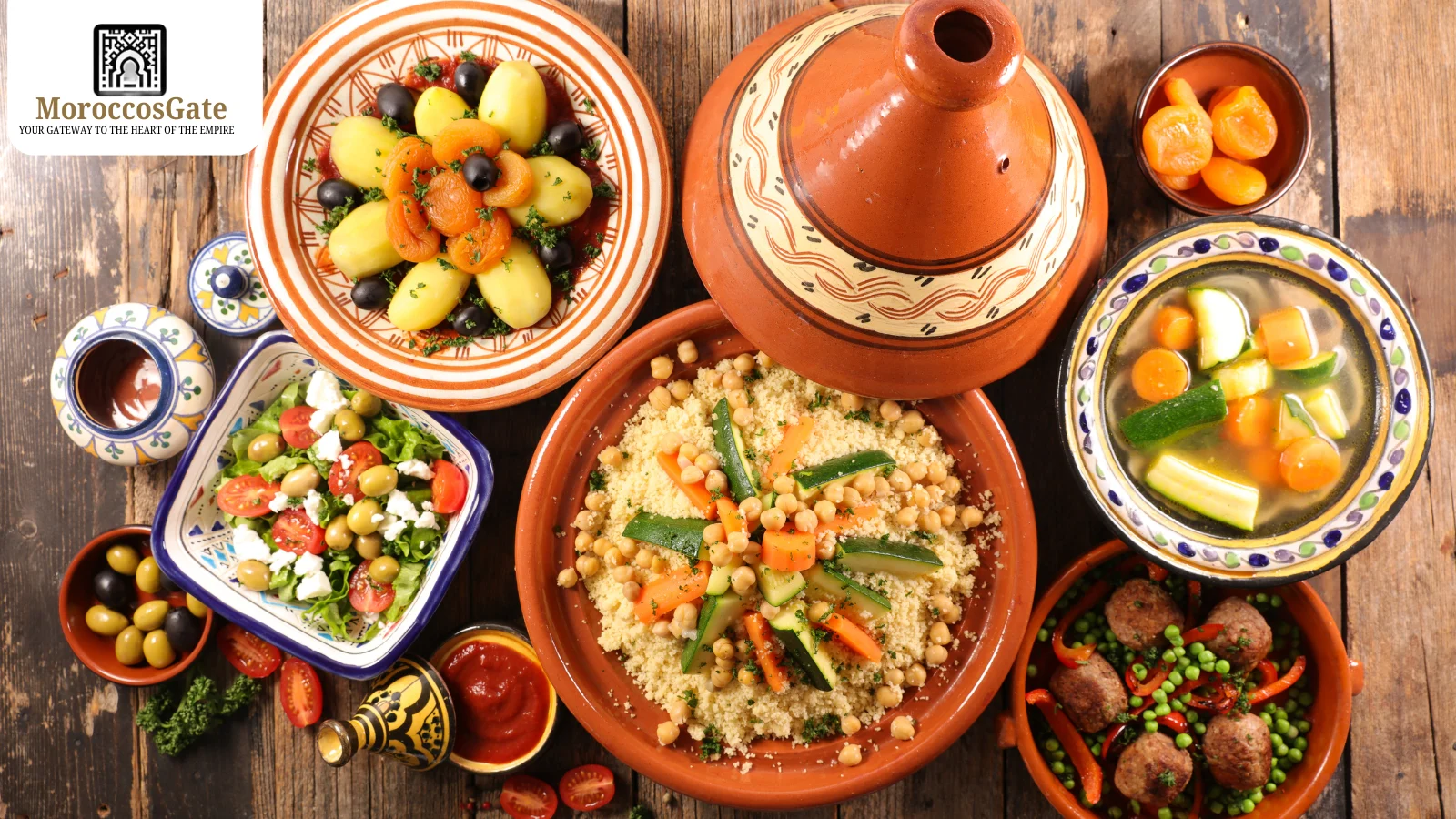
- The Friday staple is couscous with seven vegetables, which includes steamed grains, broth, seasonal vegetables, and occasionally meat.
- The sweet-savory wonder of couscous tfaya with caramelized onions and raisins on top.
- Seffa Medfouna: Vermicelli or fluffy couscous topped with cinnamon sugar, almonds, and occasionally chicken.
Side dishes and salads (warm or room temperature)
- Zaalouk: A tomato and eggplant salad seasoned with paprika and garlic.
- Taktouka: Roasted tomatoes and peppers infused with olive oil and cumin.
- Carrot salad with chermoula: a zesty, garlicky dish.
- Bakoula/Khoubiza: Sautéed spinach or mallow with olives and preserved lemon.
Breakfast and Breads
- Khobz: A daily loaf with a crispy crust and a soft crumb.
- Flaky, layered, and griddled, msemmen is excellent for soaking up sauces or with cheese or honey.
- Baghrir: Airy, honey-butter-perfect “thousand-hole” semolina pancakes.
- Harcha: A delicately crumby semolina skillet bread.
Snacks & Food from the Street
- Maakouda: Golden, herbaceous, and irresistible potato fritters.
- Sfenj: Tea pairs well with hot Moroccan doughnuts.
- Sandwiches with sardine chermoula: a traditional coastal dish that is zesty, tart, and crisp.
- Babbouche: The traditional night market dish of snail soup with spices and anise.
- Brochettes are grilled, cumin-salt-served skewers of spiced lamb, beef, or chicken.
Treats and Sweets
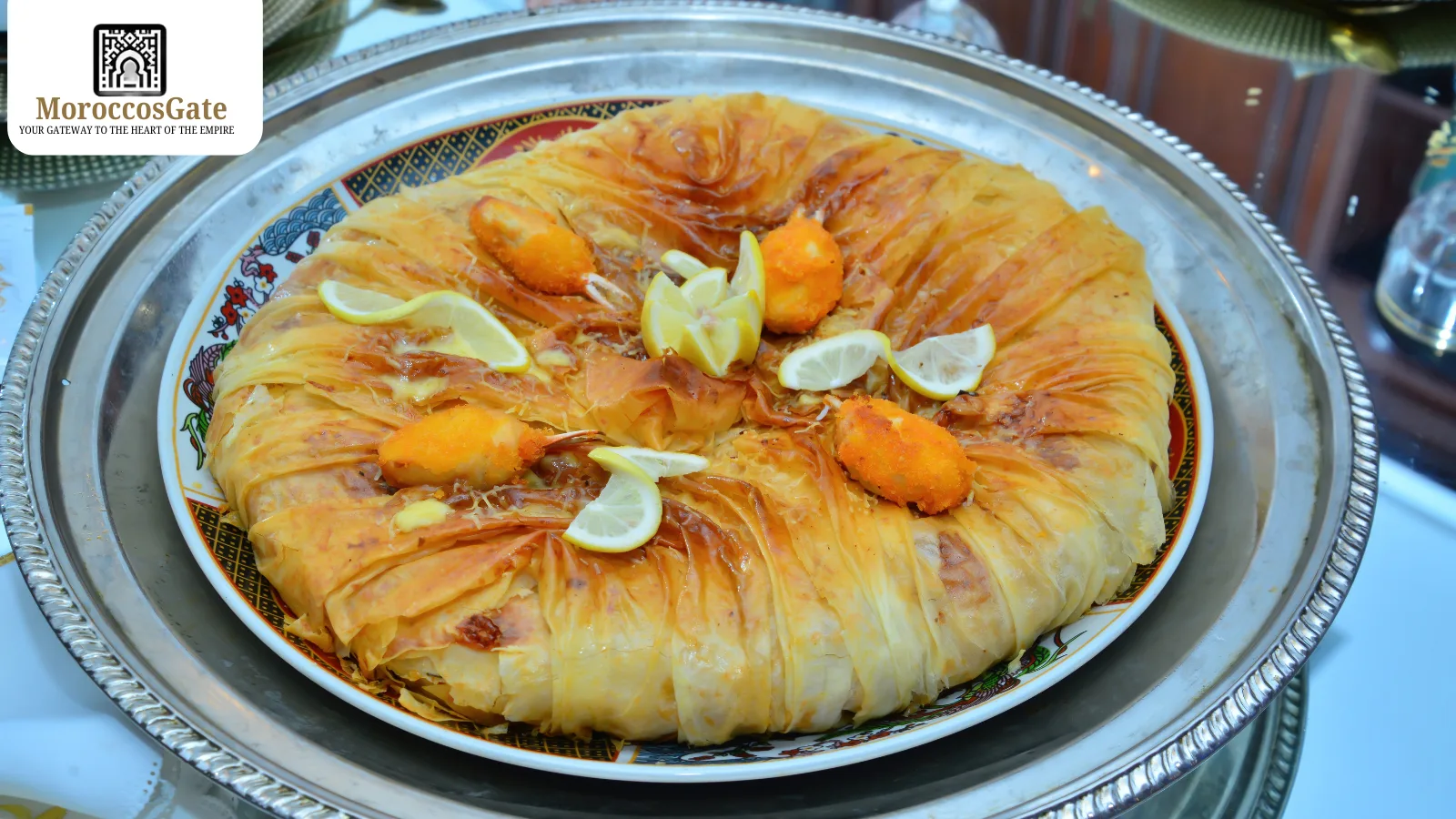
- Pastilla/Bastilla: A sweet-savory show-stopper made of flaky warqa pastry piled with chicken or pigeon, almonds, and cinnamon sugar.
- Chebakia are flower-shaped sesame cookies dipped in honey and covered in orange blossom glaze.
- Sellou (Sfouf): A confection made of toasted flour, sesame seeds, and almonds that is bonded with butter and honey.
- Gazelle Horns, or Kaab el Ghazal, are crescents filled with almond paste and flavored with orange blossoms.
- Ghriba: Crumbly walnut, coconut, or almond cookies.
- M’hancha: Almond paste-coiled “snake” pastry.
Drinks
- Green tea with sugar and mint, poured high to aerate, is known as Atay B’naana (Moroccan Mint Tea).
- Nous-Nous: Morocco’s favorite café order is half milk, half coffee.
- Fresh Juices & Shakes: seasonal fruit blends, avocado-almond smoothies, and orange juice.
When planning a Moroccan-themed supper at home or exploring menus in the US or the UK, use these as anchors.
Transform your skin with our expert-approved formulas.
What is the essence of Moroccan cuisine?
The love of food in Morocco is quite personal, therefore if you ask ten Moroccans, you’ll get eleven answers. Nevertheless, three candidates emerge victorious:
- The Friday custom is couscous. A pile of steamed grains covered with broth and veggies rests in the middle, while families congregate and stories are told. Couscous is considered by many to be the essence of Morocco.
- Tagine: The emblem found in every souk and kitchen. The daily routine—slow, aromatic, and incredibly flexible—is what sustains home cooking.
- Mint tea is the lifeblood of hospitality rather than a “dish.” Without it, a visit wouldn’t be complete.
When to Eat Moroccan Food
- Breakfast consists of mint tea or nous-nous, breads such msemmen, baghrir, and harcha with honey, olive oil, and amlou (almond-argan-honey spread).
- Warm salads, grilled brochettes, tagines, and couscous are served for lunch and dinner. You can have the larger dish for lunch.
- Fridays are couscous day; don’t be surprised by varieties like tfaya, seven-vegetable, or slow-braised meats.
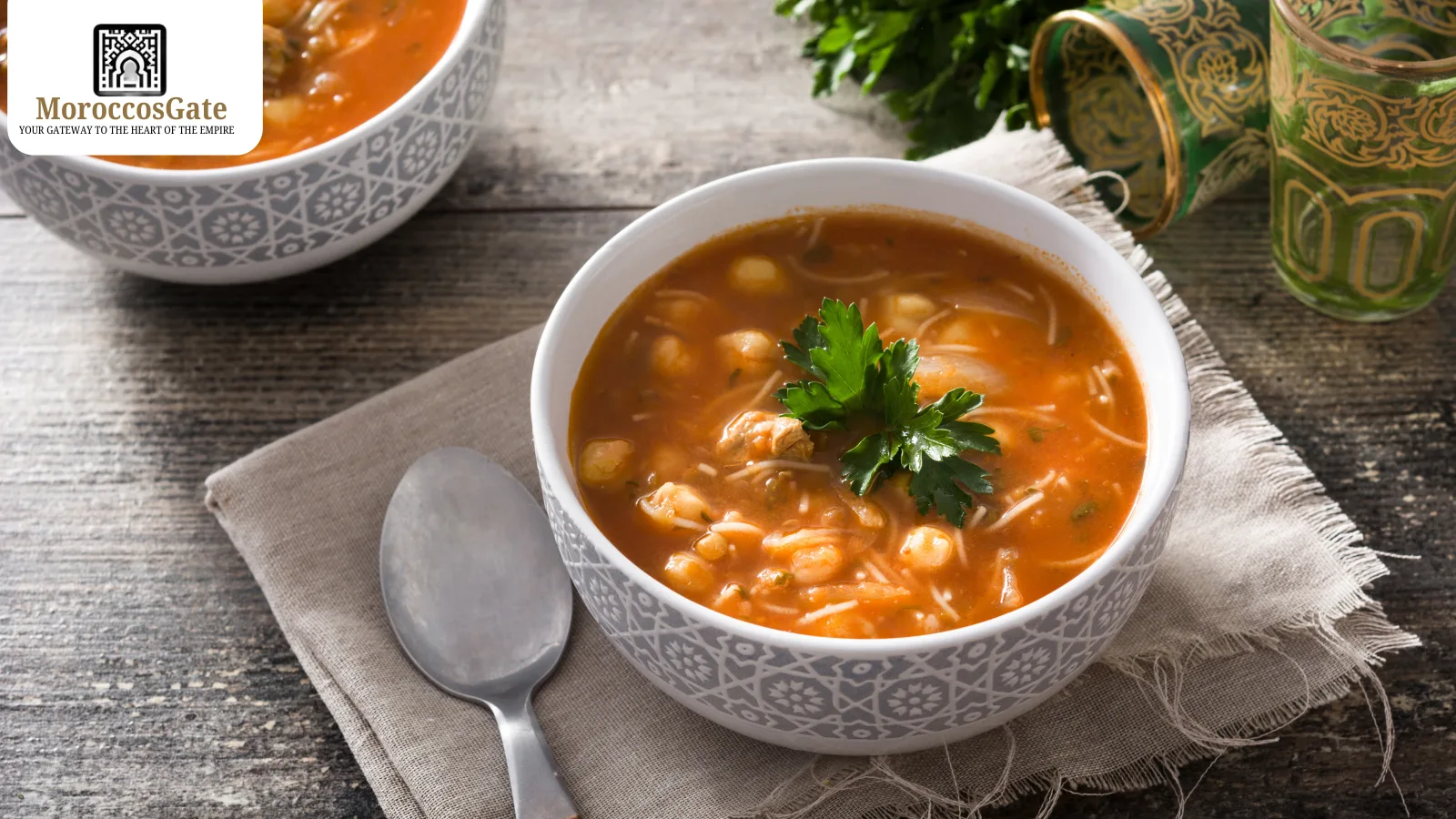
- During Ramadan, there are late-night get-togethers with tagines and sweets, as well as harira, dates, chebakia, and sellou at iftar.
- Festivals and Family Time: Tangia in Marrakech for special events; mechoui and mrouzia for festive tables.
- Street Hours: Brochettes and babbouche throughout the evening, followed by sfenj and juices in the middle of the morning.
For diners, Moroccan cuisine is ideal for breakfast spreads centered around breads and mint tea, as well as for weekend feasts and quiet weeknight tagines.
Where to get Moroccan food
- In Morocco: For heartfelt home-style cuisine, look for medina eateries and family-run establishments (called “dadas” in the kitchen). Marrakech, Fes, Rabat, Casablanca, Essaouira, and Chefchaouen are among the cities to visit.
- In the US and the UK, seek out eateries that serve clay tagines, match preserved lemon with green olives, make their own bread, and provide seasonal salads like taktouka and zaalouk. Inquire as to how they steam the couscous (it is customary to steam it several times in a couscoussier rather than merely soaking it).
- Markets & Street Food: coastal towns for seafood and sardines; Jemaa el-Fnaa in Marrakech for spectacle.
A good indicator of authenticity is the presence of a conical tagine cover and the aroma of preserved lemon, cumin, and cinnamon coming from the kitchen.
The Reasons for Eating Moroccan Food
- Flavor without fire: Not chili heat, but layers of spice scent.
- Comfort and care: Slow-cooked meals that foster community.
- Every eater can find something they enjoy: vegetarians, vegans, meat eaters, and pescatarians all eat well.
- Amazigh origins with Andalusian, Arab, and Jewish influences make up this rich culinary legacy—history you can taste.
- Olive oil, cereals, legumes, nuts, and fruits are all naturally balanced with meats and seafood.
- Hospitality: Welcome is what meals are all about. Ceremony is tea. Food is a means of communication.
Methods and Traditions of Cooking Moroccan Food
- Cooking in a tagine: Steam is circulated by the conical lid, basting food over low heat. Layer the protein and vegetables on top of the onions and oil base, add the spices and a little water, and then let time do the rest.
- The best way to steam couscous is in a couscoussier. After being soaked, the grains are manually fluffed, steamed, and then fluffed again—typically two or three times—until they are light and fluffy.
- A strong mixture of herbs, garlic, cumin, paprika, lemon juice, and olive oil is called a “chermoula marinade.” Excellent for veggies and necessary for fish.
- Festival feasts and slow roasts: Mechoui lamb and mrouzia are festive dishes that are prepared slowly to achieve depth and softness.
- The Bread Ritual: Khobz unifies the community dish and serves as both an anchor and a utensil.
Well-known Moroccan restaurant
A few names are continuously praised for presenting Moroccan cuisine, even as preferences and fashions change. When visiting Morocco, think about taking a look at:
- Marrakech: Le Foundouk (romantic rooftop), Nomad (contemporary Moroccan), La Maison Arabe (traditional cuisine and cooking workshops), Dar Yacout (atmospheric feasting), and Al Fassia (famous women-run kitchen).
- Fes: Dar Hatim (home-style hospitality), The Ruined Garden (garden setting with seasonal menus), and Dar Roumana (excellent Fassi cuisine).
- Casablanca: Rick’s Café (famous atmosphere, Moroccan-inspired cuisine), La Sqala (garden fortress café with Moroccan staples).
- Rabat: Dinarjat (traditional dishes served in a riad).
- Essaouira: Chez Sam (locally flavored harbor seafood), La Table by Madada (seafood and Moroccan dishes).
- Chefchaouen: Casa Hassan (warm, rustic tagines), Bab Ssour (simple, beloved local recipes).
Push your limits, conquer your goals.
Famous Moroccan cuisine
- Harira
- Couscous
- Tagine
- Zaalouk
- Mint tea
- Bissara
- Khubz
- Briouat
- Fish chermoula
- Moroccan salad
- Chebakia
- Maaqouda
- Msemen
- Tangia
- Skewer
- Méchoui
- Chicken tagine
- Moroccan Bastilla
- Harcha
- Moroccan couscous
- Pastilla
- Rfissa
- Baghrir
- Batbout
Ready to taste the real Morocco?
Don’t just read about it—experience it. Our expertly crafted tours are designed for food lovers, immersing you in the authentic tastes, bustling markets, and timeless culinary traditions of the kingdom. Let us help you plan your dream foodie journey.
Contact the Morocco’s Gate Team today to design your unforgettable culinary adventure!